THE ADVENTURE COLLECTIVE® · Independent discovery and booking for outdoor travel

A classic three-day trek from Cabanaconde down to the palm-lined Sangalle Oasis and back, this route combines steep altitude shifts, active condor viewing, and traditional Andean terraces. Ideal for hikers with moderate fitness and an appetite for steep ascents.
A classic three-day trek from Cabanaconde down to the palm-lined Sangalle Oasis and back, this route combines steep altitude shifts, active condor viewing, and traditional Andean terraces. Ideal for hikers with moderate fitness and an appetite for steep ascents.
Morning in the Colca reads like a promise: headlamps flick off as vehicles thread high volcanic ridges, the air thin and cold, and the canyon below yawned in shadow. By the time you stand at Cabanaconde’s rim the light has sharpened; condors wheel above vertical walls that score the earth for kilometers.
Verified experiences and guided adventures in the surrounding area.
Operated by Oasis Palmeras Travel Tour Operator · Cabanaconde, Arequipa
Morning in the Colca reads like a promise: headlamps flick off as vehicles thread high volcanic ridges, the air thin and cold, and the canyon below yawned in shadow. By the time you stand at Cabanaconde’s rim the light has sharpened; condors wheel above vertical walls that score the earth for kilometers.
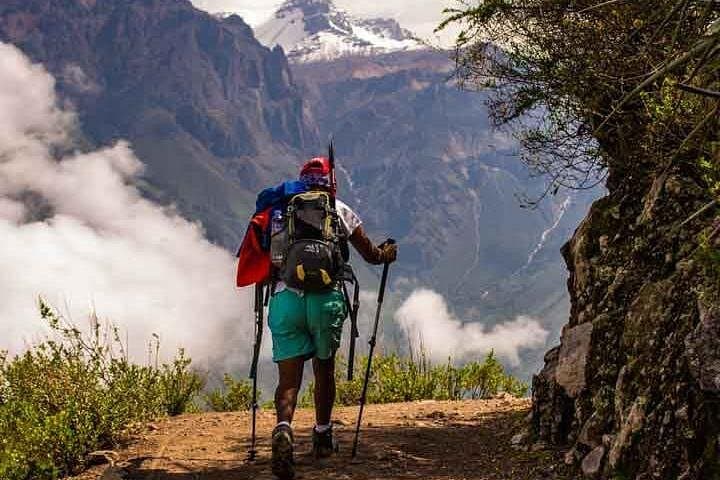
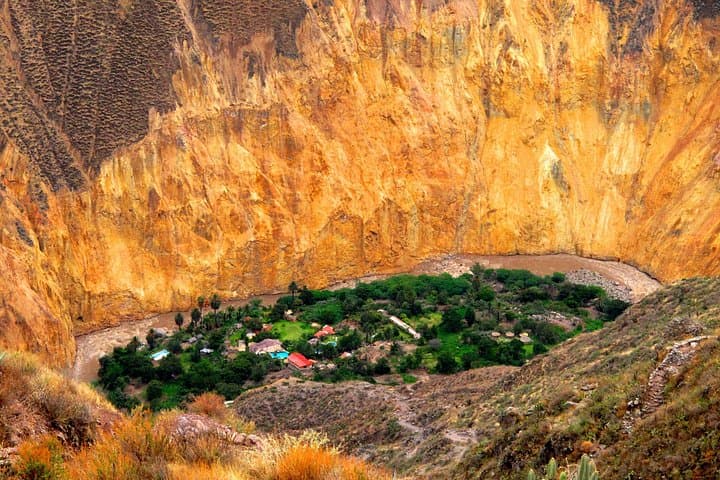
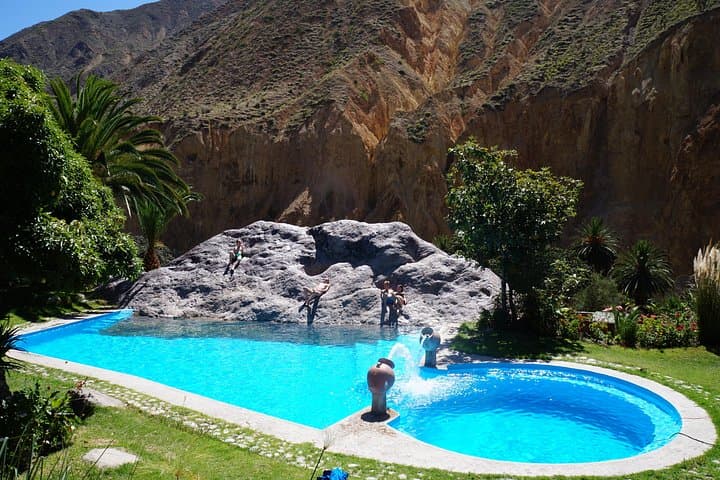
This three-day, two-night trek follows the classic route into one of the world’s deepest canyons. Geologically, Colca is a product of volcanic uplift and persistent river incision; terraces cut by the Collagua and Cabana peoples still cling to slopes and speak to centuries of high‑altitude agriculture. Day one drops steep switchbacks roughly 800–1,200 meters to the San Juan valley over uneven stone and packed dirt—expect 3–4 hours. Day two trudges toward Sangalle, an arid-to-green transition where a palm‑lined oasis and a simple pool offer real relief. The third morning you reverse the descent with a sustained, testing 3‑hour climb back to Cabanaconde before a drive through viewpoint-studded roads to Chivay and Arequipa.
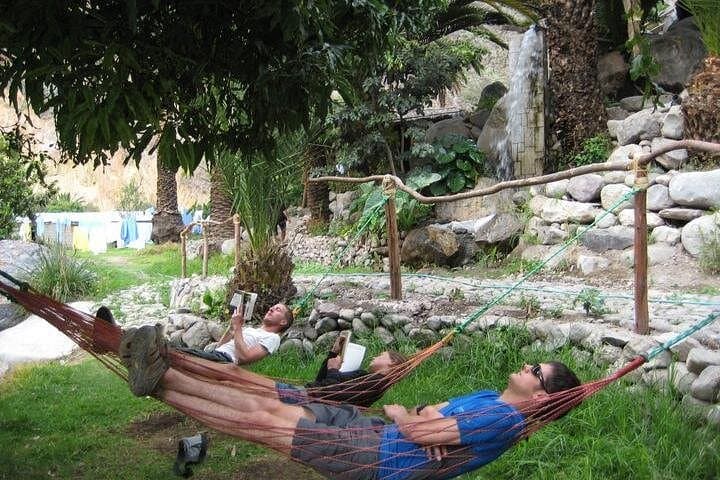
Practical edge: altitude is the real variable—acclimatize in Arequipa, carry 2–3 liters of water, and use trekking poles on loose descents. Accommodation is basic mountain lodgings and an oasis camp; guides usually handle logistics and meals. Bring layers for freezing nights and sun protection for harsh midday UV. The route delivers condor sightings, terraced fields, and a compact, honest dose of Andean trail hiking—rewarding, physically demanding, and culturally rooted.
Expect a sustained 2.5–3.5 hour ascent with 800–1,200 m elevation gain; pace yourself, use poles, and take frequent short breaks.
Yes—Cruz del Condor near the canyon rim is a common vantage for Andean condors, especially in early morning when thermals are active.
Basic mountain lodges or guesthouses and simple dinners/lunches are included; shelters are warm but rustic—bring earplugs and a light sleeping layer if you’re sensitive.
Not strictly, but moderate fitness and prior experience with long uphill days at altitude will make the trek far more comfortable and safer.
Oasis Palmeras Travel Tour Operator operates guided outdoor trips and adventures with an emphasis on safety, stewardship, and memorable experiences.
Morning in the Colca reads like a promise: headlamps flick off as vehicles thread high volcanic ridges, the air thin and cold, and the canyon below yawned in shadow. By the time you stand at Cabanaconde’s rim the light has sharpened; condors wheel above vertical walls that score the earth for kilometers.
Morning in the Colca reads like a promise: headlamps flick off as vehicles thread high volcanic ridges, the air thin and cold, and the canyon below yawned in shadow. By the time you stand at Cabanaconde’s rim the light has sharpened; condors wheel above vertical walls that score the earth for kilometers.
This three-day, two-night trek follows the classic route into one of the world’s deepest canyons. Geologically, Colca is a product of volcanic uplift and persistent river incision; terraces cut by the Collagua and Cabana peoples still cling to slopes and speak to centuries of high‑altitude agriculture. Day one drops steep switchbacks roughly 800–1,200 meters to the San Juan valley over uneven stone and packed dirt—expect 3–4 hours. Day two trudges toward Sangalle, an arid-to-green transition where a palm‑lined oasis and a simple pool offer real relief. The third morning you reverse the descent with a sustained, testing 3‑hour climb back to Cabanaconde before a drive through viewpoint-studded roads to Chivay and Arequipa.
Practical edge: altitude is the real variable—acclimatize in Arequipa, carry 2–3 liters of water, and use trekking poles on loose descents. Accommodation is basic mountain lodgings and an oasis camp; guides usually handle logistics and meals. Bring layers for freezing nights and sun protection for harsh midday UV. The route delivers condor sightings, terraced fields, and a compact, honest dose of Andean trail hiking—rewarding, physically demanding, and culturally rooted.