THE ADVENTURE COLLECTIVE® · Independent discovery and booking for outdoor travel

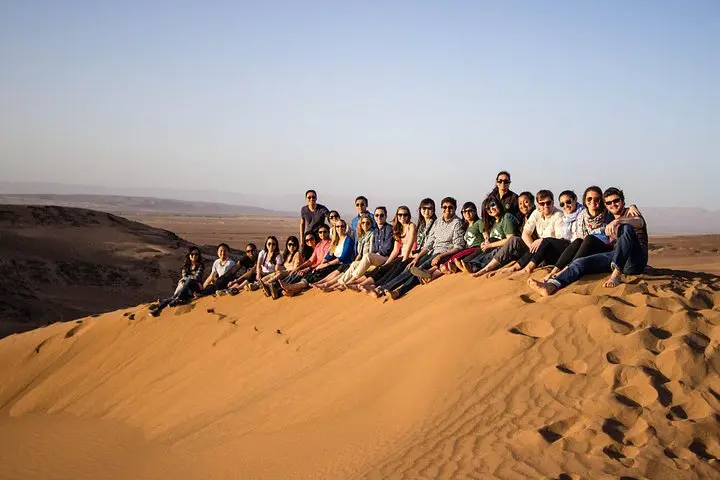
Drive the High Atlas to reach the sweeping Erg Chebbi dunes, ride a camel at dusk and spend a night in a desert bivouac under a riot of stars. This three-day circuit links kasbah history, rocky gorges and classic Sahara silence.
Drive the High Atlas to reach the sweeping Erg Chebbi dunes, ride a camel at dusk and spend a night in a desert bivouac under a riot of stars. This three-day circuit links kasbah history, rocky gorges and classic Sahara silence.
You crest the High Atlas at Tichka Pass (2,260 m) and the road drops away to a corridor of ochre kasbahs and palm fringes. The drive from Marrakech unfolds like a layered map: Ait Ben Haddou’s rammed-earth towers, Ouarzazate’s film-set façades, the Valley of Roses, then the narrow canyons of Todra and the sculpted Dades Valley before the sand seas of Merzouga appear, dunes pushing toward the sky.
Verified experiences and guided adventures in the surrounding area.
Operated by Easy take travel · Merzouga, Drâa-Tafilalet
You crest the High Atlas at Tichka Pass (2,260 m) and the road drops away to a corridor of ochre kasbahs and palm fringes. The drive from Marrakech unfolds like a layered map: Ait Ben Haddou’s rammed-earth towers, Ouarzazate’s film-set façades, the Valley of Roses, then the narrow canyons of Todra and the sculpted Dades Valley before the sand seas of Merzouga appear, dunes pushing toward the sky.
The route traces centuries of trans-Saharan movement: kasbahs were both family homes and defensive hubs for caravans. Geologically the Erg Chebbi dune field is wind-built—grains sorted and stacked into crescent ridges that can rise more than 100 meters—constantly reshaped by hot, dry winds that give the desert a live, restless feel.
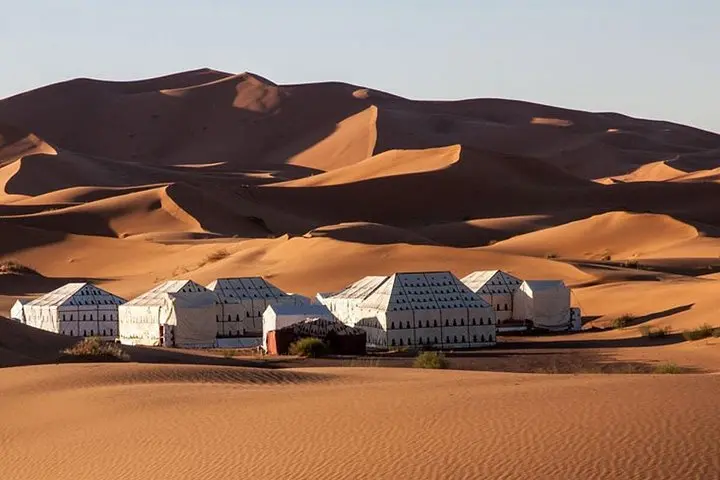
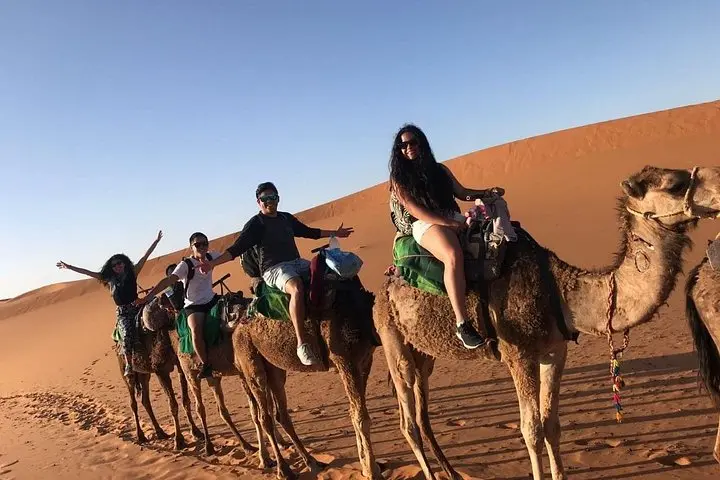
Culture here is Berber and nomadic; camel caravans remain a practical mode of travel and a link to older rhythms. Nights in a desert bivouac center around simple hospitality—tagine dinners, music by lantern light, and a sky that pushes constellations low enough to touch.
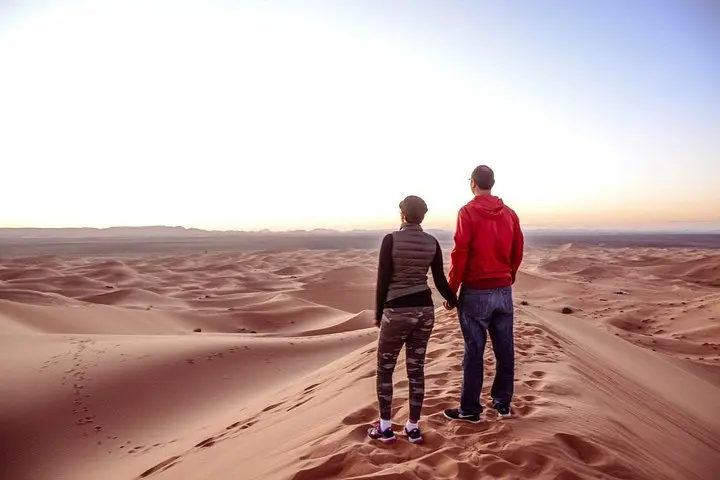
Practical guidance: stagger activity times—start drives and camel treks early or late to avoid heat, and plan to watch both sunrise and sunset from dune crests. Bring sun protection, layered clothing for desert diurnal swings, and plenty of water (at least 2–3 liters per person on active days). Wear closed, breathable shoes that keep sand out and a small daypack for cameras, snacks, and a headlamp. Respect local customs and the fragility of the oasis ecology: stick to marked routes and support village cooperatives when visiting markets.
Expect roughly 8–10 hours of driving spread over the itinerary with stops at Ait Ben Haddou, Ouarzazate and the Dades/Todra valleys.
No technical skill is needed; camel rides are gentle and led by experienced handlers, though mounting can be awkward for some.
Bivouac camps typically offer basic cushioned mattresses, shared or private tents, and communal facilities; standards vary by operator so check before booking.
Hotels and village stops have facilities; in the bivouac expect simple or shared arrangements—bring hand sanitizer and toilet paper.
Easy take travel operates guided outdoor trips and adventures with an emphasis on safety, stewardship, and memorable experiences.
You crest the High Atlas at Tichka Pass (2,260 m) and the road drops away to a corridor of ochre kasbahs and palm fringes. The drive from Marrakech unfolds like a layered map: Ait Ben Haddou’s rammed-earth towers, Ouarzazate’s film-set façades, the Valley of Roses, then the narrow canyons of Todra and the sculpted Dades Valley before the sand seas of Merzouga appear, dunes pushing toward the sky.
You crest the High Atlas at Tichka Pass (2,260 m) and the road drops away to a corridor of ochre kasbahs and palm fringes. The drive from Marrakech unfolds like a layered map: Ait Ben Haddou’s rammed-earth towers, Ouarzazate’s film-set façades, the Valley of Roses, then the narrow canyons of Todra and the sculpted Dades Valley before the sand seas of Merzouga appear, dunes pushing toward the sky.
The route traces centuries of trans-Saharan movement: kasbahs were both family homes and defensive hubs for caravans. Geologically the Erg Chebbi dune field is wind-built—grains sorted and stacked into crescent ridges that can rise more than 100 meters—constantly reshaped by hot, dry winds that give the desert a live, restless feel.
Culture here is Berber and nomadic; camel caravans remain a practical mode of travel and a link to older rhythms. Nights in a desert bivouac center around simple hospitality—tagine dinners, music by lantern light, and a sky that pushes constellations low enough to touch.
Practical guidance: stagger activity times—start drives and camel treks early or late to avoid heat, and plan to watch both sunrise and sunset from dune crests. Bring sun protection, layered clothing for desert diurnal swings, and plenty of water (at least 2–3 liters per person on active days). Wear closed, breathable shoes that keep sand out and a small daypack for cameras, snacks, and a headlamp. Respect local customs and the fragility of the oasis ecology: stick to marked routes and support village cooperatives when visiting markets.