THE ADVENTURE COLLECTIVE® · Independent discovery and booking for outdoor travel

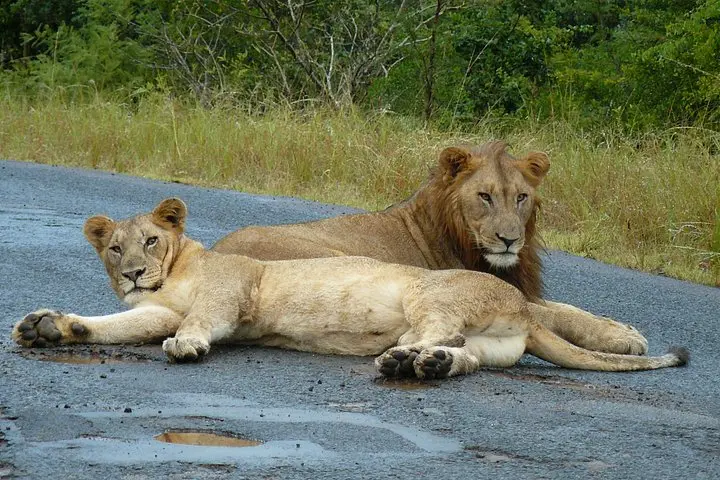
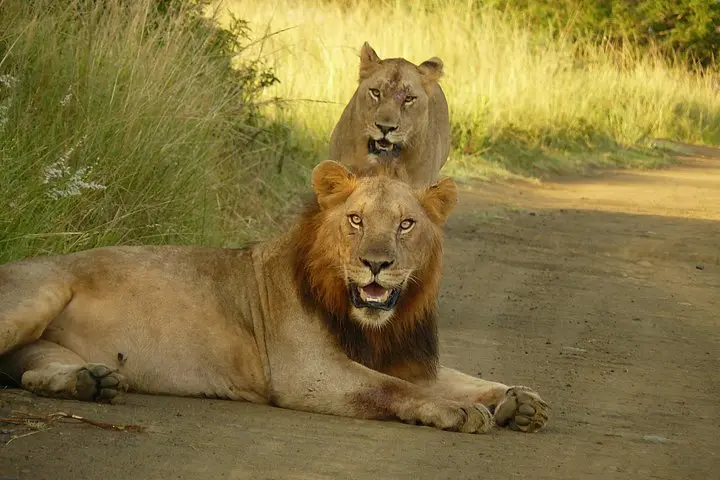
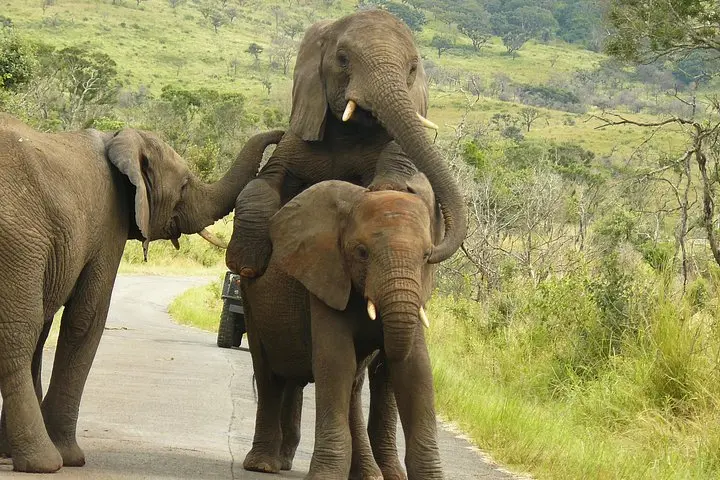
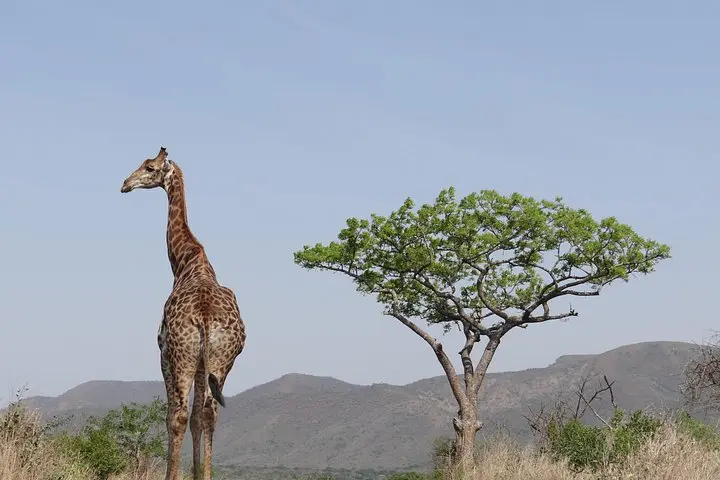
Spend three days tracking the Big 5 from Durban into Hluhluwe‑Imfolozi Game Reserve, capped with a boat cruise through the St Lucia estuary. This compact safari pairs daytime game drives with optional night spotlighting and stays inside a malaria‑free reserve.
Spend three days tracking the Big 5 from Durban into Hluhluwe‑Imfolozi Game Reserve, capped with a boat cruise through the St Lucia estuary. This compact safari pairs daytime game drives with optional night spotlighting and stays inside a malaria‑free reserve.
The engine hums as the Durban skyline falls behind and sugarcane fields give way to ancient teak and thornveld; within hours the air smells of dust and distant resin. Arrival at Hluhluwe‑Imfolozi means entering 960 km² of rolling savanna and riverine forest where white rhino browse like living fossils and a guide’s whisper can turn a dusty ridge into a wildlife theater.
Verified experiences and guided adventures in the surrounding area.
Operated by Tim Brown Tours · Hluhluwe, KwaZulu-Natal
The engine hums as the Durban skyline falls behind and sugarcane fields give way to ancient teak and thornveld; within hours the air smells of dust and distant resin. Arrival at Hluhluwe‑Imfolozi means entering 960 km² of rolling savanna and riverine forest where white rhino browse like living fossils and a guide’s whisper can turn a dusty ridge into a wildlife theater.
Established in 1895, Hluhluwe‑Imfolozi is Africa’s oldest proclaimed game reserve and a cornerstone of 20th‑century rhino recovery efforts. Geologically the park is a sculpted lowland plain — sandy soils, broad floodplains and occasional koppies — feeding streams that empty toward the iSimangaliso wetlands at St Lucia, a UNESCO World Heritage Site with estuaries, mangroves and coastal dunes.
Zulu culture threads through the route: guides often explain local place names, land use and how communities now balance conservation with livelihoods. Birdsong and hippo grunts from the St Lucia estuary punctuate the last morning; a late‑afternoon spotlight drive can make nocturnal predators seem to appear out of the night itself.
Practical guidance: expect long game‑drive days (dawn and late afternoon are prime), a 2.5–3 hour transfer from Durban, simple lodge accommodation inside the reserve, and included meals and bottled water. Bring binoculars, neutral clothing layers, sun protection and a camera with extra batteries. Travel light — operators limit luggage — and be ready to move quietly: animals notice noise before you do.
Most of Hluhluwe‑Imfolozi is considered low‑risk for malaria compared with other KwaZulu‑Natal areas, but consult your doctor for the latest health advice and take sensible mosquito precautions.
Yes; children can join but must be accompanied by an adult and follow guide instructions. Child rates apply when sharing with two paying adults.
Accommodation is lodge‑style inside the reserve (e.g., Hilltop Camp) with buffet meals included; expect comfortable but not luxury amenities.
Night drives are optional and may incur an extra fee; they increase chances of seeing nocturnal predators but depend on guide availability and bookings.
Tim Brown Tours operates guided outdoor trips and adventures with an emphasis on safety, stewardship, and memorable experiences.
The engine hums as the Durban skyline falls behind and sugarcane fields give way to ancient teak and thornveld; within hours the air smells of dust and distant resin. Arrival at Hluhluwe‑Imfolozi means entering 960 km² of rolling savanna and riverine forest where white rhino browse like living fossils and a guide’s whisper can turn a dusty ridge into a wildlife theater.
The engine hums as the Durban skyline falls behind and sugarcane fields give way to ancient teak and thornveld; within hours the air smells of dust and distant resin. Arrival at Hluhluwe‑Imfolozi means entering 960 km² of rolling savanna and riverine forest where white rhino browse like living fossils and a guide’s whisper can turn a dusty ridge into a wildlife theater.
Established in 1895, Hluhluwe‑Imfolozi is Africa’s oldest proclaimed game reserve and a cornerstone of 20th‑century rhino recovery efforts. Geologically the park is a sculpted lowland plain — sandy soils, broad floodplains and occasional koppies — feeding streams that empty toward the iSimangaliso wetlands at St Lucia, a UNESCO World Heritage Site with estuaries, mangroves and coastal dunes.
Zulu culture threads through the route: guides often explain local place names, land use and how communities now balance conservation with livelihoods. Birdsong and hippo grunts from the St Lucia estuary punctuate the last morning; a late‑afternoon spotlight drive can make nocturnal predators seem to appear out of the night itself.
Practical guidance: expect long game‑drive days (dawn and late afternoon are prime), a 2.5–3 hour transfer from Durban, simple lodge accommodation inside the reserve, and included meals and bottled water. Bring binoculars, neutral clothing layers, sun protection and a camera with extra batteries. Travel light — operators limit luggage — and be ready to move quietly: animals notice noise before you do.