THE ADVENTURE COLLECTIVE® · Independent discovery and booking for outdoor travel

A compact, three-day circuit from Tokyo to Osaka that pairs Mt. Fuji’s volcanic landscapes with ancient shrines and the free-roaming deer of Nara. Ideal for travelers who want efficient logistics and a taste of Japan’s cultural and natural highlights.
A compact, three-day circuit from Tokyo to Osaka that pairs Mt. Fuji’s volcanic landscapes with ancient shrines and the free-roaming deer of Nara. Ideal for travelers who want efficient logistics and a taste of Japan’s cultural and natural highlights.
You step out of Narita’s arrivals bustle and into a different pace: coastal roads fold into cedar-shadowed temple approaches, and the air feels cooler as the bus climbs toward Hakone. Mt. Fuji looms like a patient companion, sometimes hidden by cloud, other times boldly crested with snow, daring you to look again.
Verified experiences and guided adventures in the surrounding area.
Operated by Nihon Travel · Tokyo, Tokyo
You step out of Narita’s arrivals bustle and into a different pace: coastal roads fold into cedar-shadowed temple approaches, and the air feels cooler as the bus climbs toward Hakone. Mt. Fuji looms like a patient companion, sometimes hidden by cloud, other times boldly crested with snow, daring you to look again.
This three-day small-group route threads five historic capitals — Tokyo, Kamakura, Hakone, Kyoto and Osaka — with stops at World Heritage temples in Nara and Kyoto and natural oddities around Mt. Fuji. Geologically, the tour highlights volcanic terrain: wind caves and lava tubes at Fuji’s base and the sulphur plumes of Owakudani, where hot springs shape black eggs and rugged rock. Culturally, you’ll pass samurai-era neighborhoods, participate in a tea ceremony, and meet the famously tame deer of Nara Park.
Expect a mix of short guided walks, ropeway rides, a Lake Ashi cruise and museum or shrine entries; the pace is steady but accessible to most fitness levels. Mornings reward early departures — clearer mountain views, cooler air and quieter temples. Bring layered clothing for temperature swings, cash for small shrine donations and snacks, and comfortable footwear for cobbled streets and temple steps.
Practicalities: the tour includes air-conditioned transport, two breakfasts and three-star hotels; admission fees for certain sites are extra. If you want fewer crowds at Kyoto sites, request early-morning routing where possible. Above all, move deliberately: here the landscape and history don’t rush you — they invite you to notice.
No — the tour provides air-conditioned coach transport and local transfers; a JR Pass is unnecessary unless you plan independent travel outside the tour dates.
Some small sites are included, but major temple admissions such as Todai-ji and Kiyomizu are usually extra — carry local currency for tickets.
Yes — the itinerary is paced for general accessibility, though participants should be able to board a coach and handle short walks and steps.
No — visibility depends on weather. Organizers maximize viewing opportunities with morning stops, but clouds and haze can obscure the peak.
Nihon Travel operates guided outdoor trips and adventures with an emphasis on safety, stewardship, and memorable experiences.
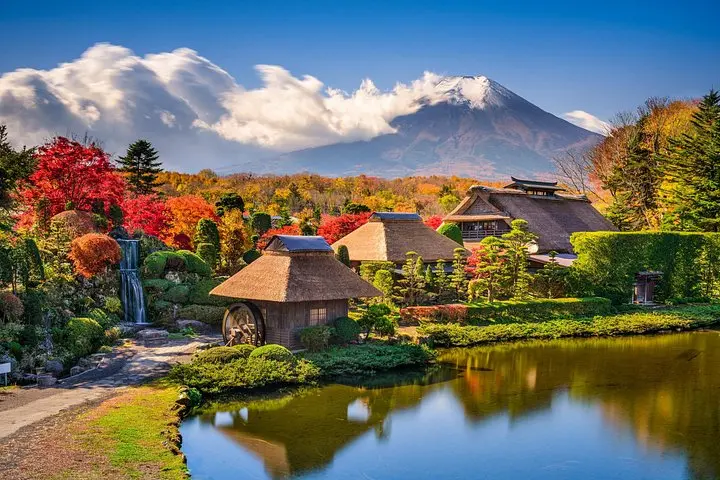
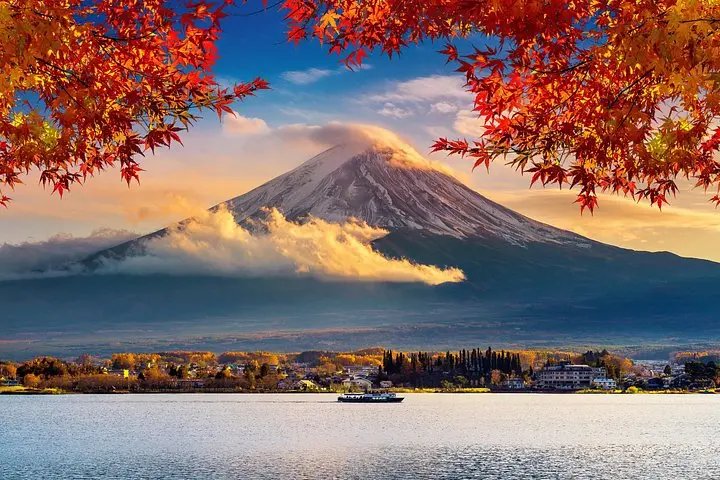
You step out of Narita’s arrivals bustle and into a different pace: coastal roads fold into cedar-shadowed temple approaches, and the air feels cooler as the bus climbs toward Hakone. Mt. Fuji looms like a patient companion, sometimes hidden by cloud, other times boldly crested with snow, daring you to look again.
You step out of Narita’s arrivals bustle and into a different pace: coastal roads fold into cedar-shadowed temple approaches, and the air feels cooler as the bus climbs toward Hakone. Mt. Fuji looms like a patient companion, sometimes hidden by cloud, other times boldly crested with snow, daring you to look again.
This three-day small-group route threads five historic capitals — Tokyo, Kamakura, Hakone, Kyoto and Osaka — with stops at World Heritage temples in Nara and Kyoto and natural oddities around Mt. Fuji. Geologically, the tour highlights volcanic terrain: wind caves and lava tubes at Fuji’s base and the sulphur plumes of Owakudani, where hot springs shape black eggs and rugged rock. Culturally, you’ll pass samurai-era neighborhoods, participate in a tea ceremony, and meet the famously tame deer of Nara Park.
Expect a mix of short guided walks, ropeway rides, a Lake Ashi cruise and museum or shrine entries; the pace is steady but accessible to most fitness levels. Mornings reward early departures — clearer mountain views, cooler air and quieter temples. Bring layered clothing for temperature swings, cash for small shrine donations and snacks, and comfortable footwear for cobbled streets and temple steps.
Practicalities: the tour includes air-conditioned transport, two breakfasts and three-star hotels; admission fees for certain sites are extra. If you want fewer crowds at Kyoto sites, request early-morning routing where possible. Above all, move deliberately: here the landscape and history don’t rush you — they invite you to notice.