THE ADVENTURE COLLECTIVE® · Independent discovery and booking for outdoor travel

A compact, three-day lodge safari through Tarangire, Lake Manyara and the Ngorongoro Crater—designed to maximize classic northern Tanzania wildlife sightings from elephants under baobabs to the rare black rhino. Read on for what to expect, when to go, and how to prepare.
A compact, three-day lodge safari through Tarangire, Lake Manyara and the Ngorongoro Crater—designed to maximize classic northern Tanzania wildlife sightings from elephants under baobabs to the rare black rhino. Read on for what to expect, when to go, and how to prepare.
Morning dust lifts from the bonnet as the Land Cruiser slides off the highway and into a corridor of ancient baobabs. Sunlight slices through skeletal branches while the distant rumble of elephant herds draws closer—this is northern Tanzania in motion, a three-day wildlife loop that moves from the dry plains of Tarangire to the reflective island of Lake Manyara and down into the bowl of Ngorongoro Crater.
Verified experiences and guided adventures in the surrounding area.
Operated by Serengeti adventure · Arusha, Arusha Region
Morning dust lifts from the bonnet as the Land Cruiser slides off the highway and into a corridor of ancient baobabs. Sunlight slices through skeletal branches while the distant rumble of elephant herds draws closer—this is northern Tanzania in motion, a three-day wildlife loop that moves from the dry plains of Tarangire to the reflective island of Lake Manyara and down into the bowl of Ngorongoro Crater.
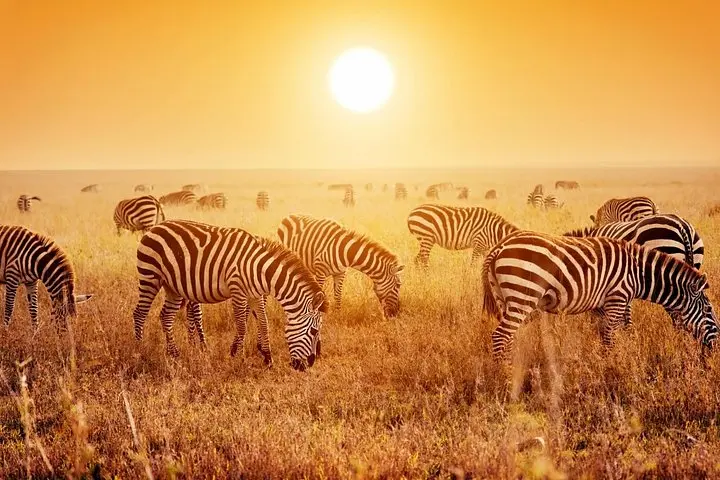
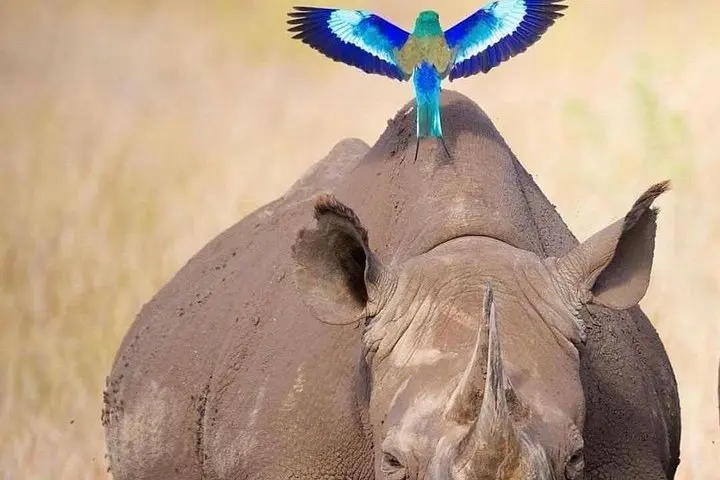
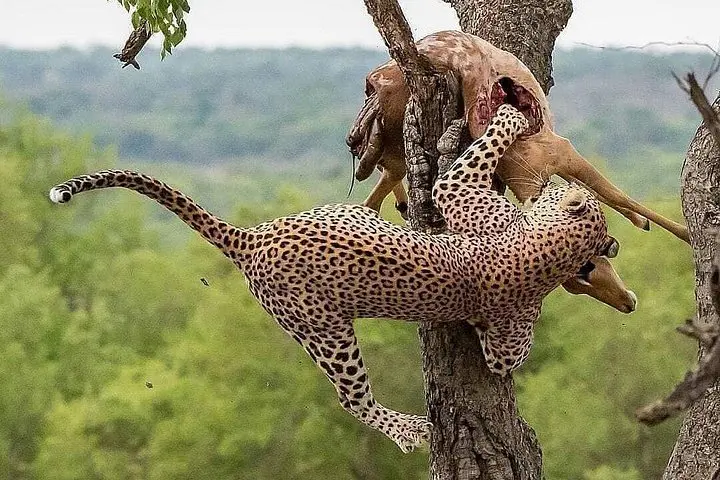
Tarangire’s landscape is geological memory: old volcanic slopes, seasonally swollen rivers, and soil that hosts dense elephant concentrations beneath baobabs. Lake Manyara sits on a rift-valley shelf, its alkaline margins attracting thousands of flamingos and, famously, lion prides that take to the trees. Ngorongoro is a collapsed caldera—one of the world’s largest intact volcanic craters—where steep rims create a self-contained ecosystem and shelter endangered black rhino alongside dense populations of grazing herbivores.
Culturally, the route skirts Maasai grazing lands; traditional bomas and seasonal cattle movement remain visible. Expect game drives from early morning to late afternoon, picnic stops, and nights in modest lodges or tented camps with meals included.
Practical notes: book morning departures to catch predators at their most active and pack sun protection, insect repellent, and a mid-range zoom for wildlife photography. Roads can be dusty; dress in layers for cool crater mornings and hot plains afternoons. Respect distance rules around wildlife, and allow extra time for scenic detours—the crater rim offers a final, expansive view that rewards patience.
No—this lodge safari is guided and suitable for first-time safari-goers; guides handle logistics and wildlife spotting.
The itinerary includes lodge accommodation as specified; upgrades may be available at booking depending on the operator.
Fees, taxes, bottled water, and transfers (including airport pickup) are listed as included in the package details.
The tour notes wheelchair accessibility and suitability for all fitness levels, but confirm specific needs with the operator before booking.
Serengeti adventure operates guided outdoor trips and adventures with an emphasis on safety, stewardship, and memorable experiences.

Morning dust lifts from the bonnet as the Land Cruiser slides off the highway and into a corridor of ancient baobabs. Sunlight slices through skeletal branches while the distant rumble of elephant herds draws closer—this is northern Tanzania in motion, a three-day wildlife loop that moves from the dry plains of Tarangire to the reflective island of Lake Manyara and down into the bowl of Ngorongoro Crater.
Morning dust lifts from the bonnet as the Land Cruiser slides off the highway and into a corridor of ancient baobabs. Sunlight slices through skeletal branches while the distant rumble of elephant herds draws closer—this is northern Tanzania in motion, a three-day wildlife loop that moves from the dry plains of Tarangire to the reflective island of Lake Manyara and down into the bowl of Ngorongoro Crater.
Tarangire’s landscape is geological memory: old volcanic slopes, seasonally swollen rivers, and soil that hosts dense elephant concentrations beneath baobabs. Lake Manyara sits on a rift-valley shelf, its alkaline margins attracting thousands of flamingos and, famously, lion prides that take to the trees. Ngorongoro is a collapsed caldera—one of the world’s largest intact volcanic craters—where steep rims create a self-contained ecosystem and shelter endangered black rhino alongside dense populations of grazing herbivores.
Culturally, the route skirts Maasai grazing lands; traditional bomas and seasonal cattle movement remain visible. Expect game drives from early morning to late afternoon, picnic stops, and nights in modest lodges or tented camps with meals included.
Practical notes: book morning departures to catch predators at their most active and pack sun protection, insect repellent, and a mid-range zoom for wildlife photography. Roads can be dusty; dress in layers for cool crater mornings and hot plains afternoons. Respect distance rules around wildlife, and allow extra time for scenic detours—the crater rim offers a final, expansive view that rewards patience.