THE ADVENTURE COLLECTIVE® · Independent discovery and booking for outdoor travel

A focused three-day private tour through Luxor’s east and west banks, visiting the Valley of the Kings, Hatshepsut’s mortuary temple, Karnak, Luxor Temple and the Temple of Hathor at Dendera. Enjoy private transport, an Egyptology guide and manageable walking each day—perfect for travelers who want concentrated history with practical logistics.
A focused three-day private tour through Luxor’s east and west banks, visiting the Valley of the Kings, Hatshepsut’s mortuary temple, Karnak, Luxor Temple and the Temple of Hathor at Dendera. Enjoy private transport, an Egyptology guide and manageable walking each day—perfect for travelers who want concentrated history with practical logistics.
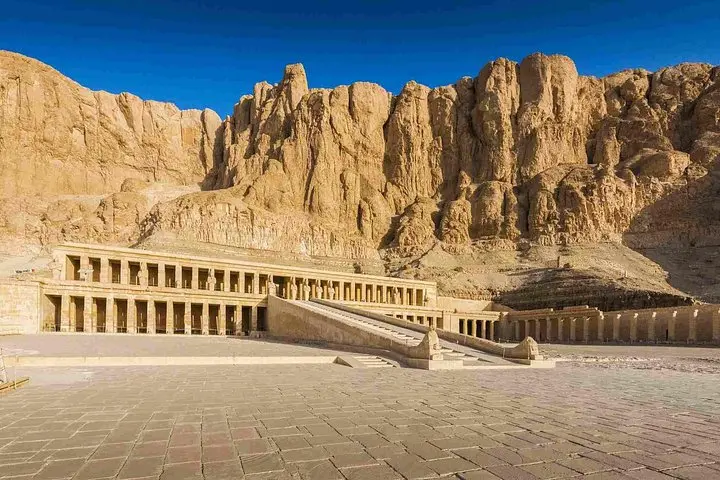
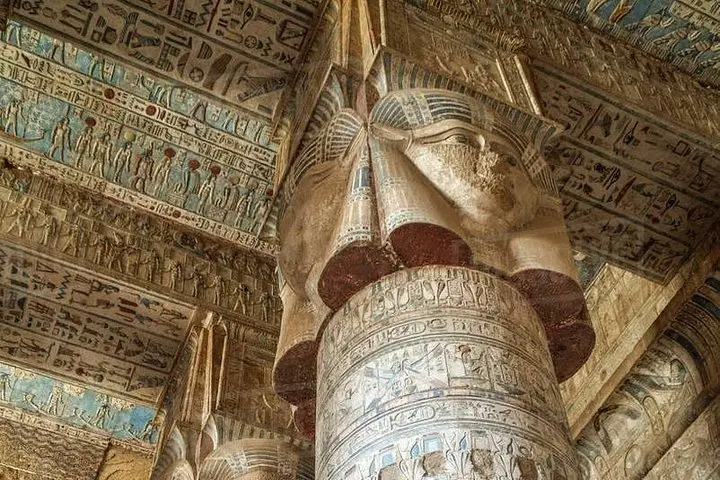
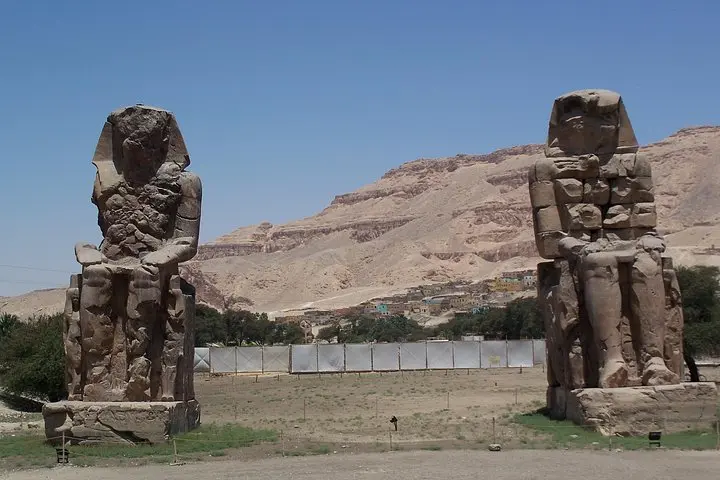
Morning light cuts across the Nile as a private van slides away from Luxor’s riverfront; sandstone cliffs on the west bank throw long shadows over tomb entrances while the east bank warms beneath temple colonnades. Over three days travelers move through the layers of Thebes—royal tombs carved into the cliffs, a funerary temple raised in limestone, and a later Greco-Roman sanctuary where reliefs still catch the sun.
Verified experiences and guided adventures in the surrounding area.
Operated by Book Your Tours · Luxor, Luxor Governorate
Morning light cuts across the Nile as a private van slides away from Luxor’s riverfront; sandstone cliffs on the west bank throw long shadows over tomb entrances while the east bank warms beneath temple colonnades. Over three days travelers move through the layers of Thebes—royal tombs carved into the cliffs, a funerary temple raised in limestone, and a later Greco-Roman sanctuary where reliefs still catch the sun.
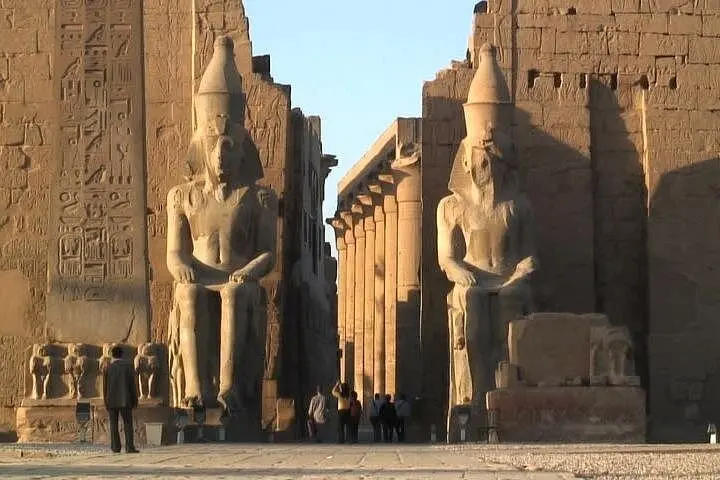
This itinerary follows the arc of Egyptian state religion and power: the Valley of the Kings (New Kingdom royal burials), Hatshepsut’s mortuary temple at Deir el-Bahari, the monumental pylons of Karnak and Luxor Temples on the east bank, and the well-preserved Temple of Hathor at Dendera, north of the city. Geology here is straightforward—limestone and sedimentary banks shaped by a Nile that still dictates travel and agriculture—so expect compact walking across rough rock, short stair sections in tombs, and long, open courtyards at Karnak.
Practical guidance: the tour typically includes hotel pickup, private transport, bottled water and an Egyptology guide. Plan for early starts to avoid midday heat, bring a sun hat, breathable layers, and sturdy walking shoes for uneven surfaces. Tomb access can require additional tickets and involves crouching through narrow passages; if you’re sensitive to tight spaces, flag that with your guide. Carry cash for small site fees and tips, and reserve daylight for Karnak and dusk if you want softened light at Luxor Temple. With a bit of planning this three-day loop delivers concentrated archaeology, clear historical context, and time to feel the Nile’s quiet gravity.
Standard entrance fees are often not included; special-access tombs and photography permits may require extra on-site payment—confirm with your operator.
Dendera is roughly 60–65 km north of Luxor, typically a 1–1.5 hour drive by private vehicle depending on traffic and stops.
Yes—transportation is private and pace is adjustable—but some tombs require crouching and there are uneven paths; request accessibility accommodations when booking.
October through April offers milder temperatures; summer can be very hot, so plan early starts and extra hydration.
Book Your Tours operates guided outdoor trips and adventures with an emphasis on safety, stewardship, and memorable experiences.
Morning light cuts across the Nile as a private van slides away from Luxor’s riverfront; sandstone cliffs on the west bank throw long shadows over tomb entrances while the east bank warms beneath temple colonnades. Over three days travelers move through the layers of Thebes—royal tombs carved into the cliffs, a funerary temple raised in limestone, and a later Greco-Roman sanctuary where reliefs still catch the sun.
Morning light cuts across the Nile as a private van slides away from Luxor’s riverfront; sandstone cliffs on the west bank throw long shadows over tomb entrances while the east bank warms beneath temple colonnades. Over three days travelers move through the layers of Thebes—royal tombs carved into the cliffs, a funerary temple raised in limestone, and a later Greco-Roman sanctuary where reliefs still catch the sun.
This itinerary follows the arc of Egyptian state religion and power: the Valley of the Kings (New Kingdom royal burials), Hatshepsut’s mortuary temple at Deir el-Bahari, the monumental pylons of Karnak and Luxor Temples on the east bank, and the well-preserved Temple of Hathor at Dendera, north of the city. Geology here is straightforward—limestone and sedimentary banks shaped by a Nile that still dictates travel and agriculture—so expect compact walking across rough rock, short stair sections in tombs, and long, open courtyards at Karnak.
Practical guidance: the tour typically includes hotel pickup, private transport, bottled water and an Egyptology guide. Plan for early starts to avoid midday heat, bring a sun hat, breathable layers, and sturdy walking shoes for uneven surfaces. Tomb access can require additional tickets and involves crouching through narrow passages; if you’re sensitive to tight spaces, flag that with your guide. Carry cash for small site fees and tips, and reserve daylight for Karnak and dusk if you want softened light at Luxor Temple. With a bit of planning this three-day loop delivers concentrated archaeology, clear historical context, and time to feel the Nile’s quiet gravity.