THE ADVENTURE COLLECTIVE® · Independent discovery and booking for outdoor travel

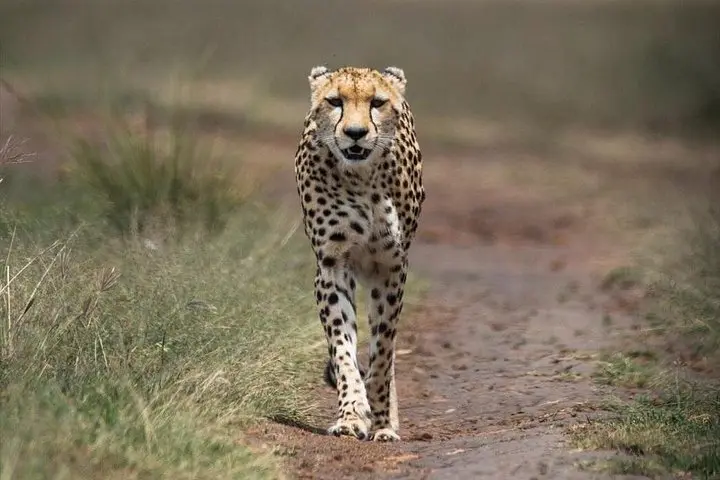
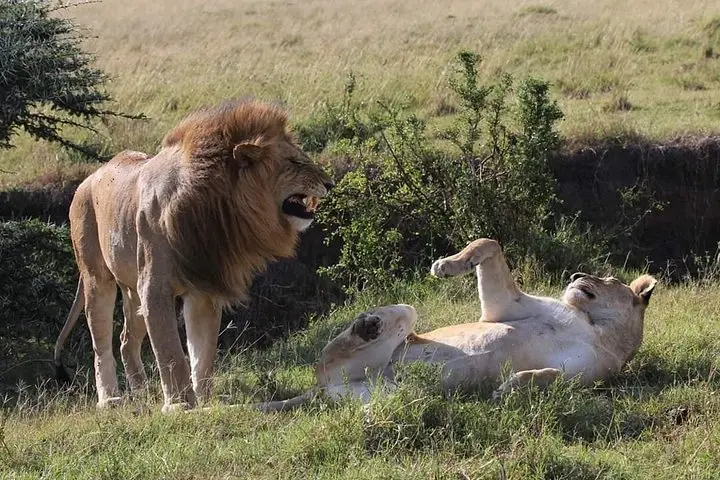
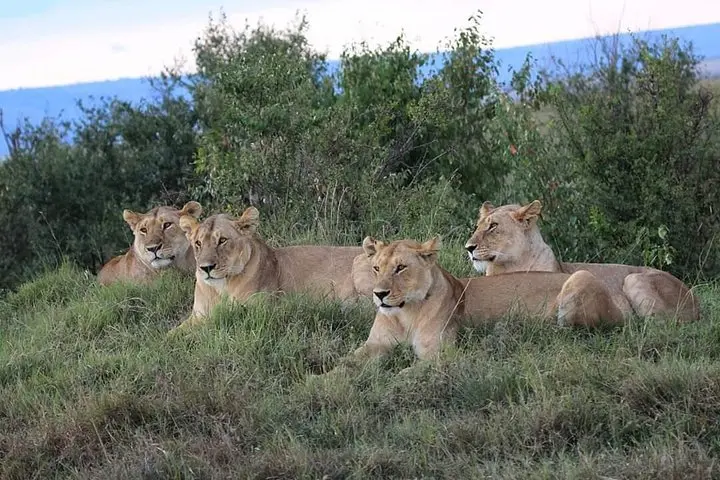
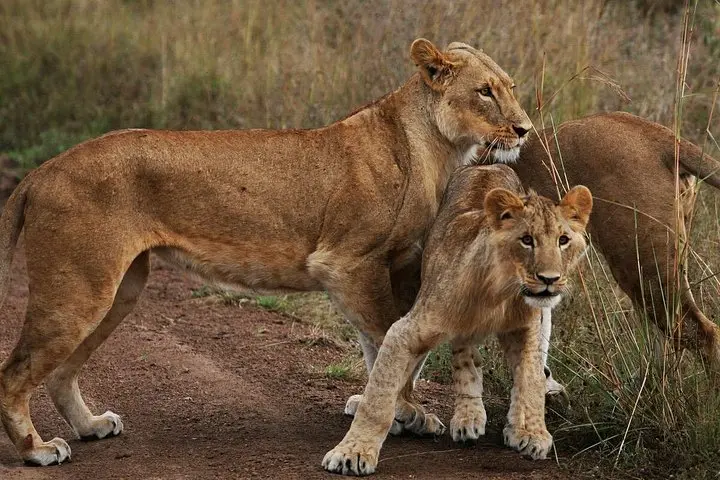
A compact, three-day 4x4 safari from Nairobi that puts you on the Maasai Mara plains for sunrise and sunset game drives. Expect concentrated wildlife viewing—Big Five sightings, seasonal wildebeest movement—and a short cultural visit to a Maasai village.
A compact, three-day 4x4 safari from Nairobi that puts you on the Maasai Mara plains for sunrise and sunset game drives. Expect concentrated wildlife viewing—Big Five sightings, seasonal wildebeest movement—and a short cultural visit to a Maasai village.
You step out before dawn with the vehicle idling, the plains already breathing around you as the first light picks out termite mounds and acacia silhouettes. The road from Nairobi loosens the city’s noise, and by the time you crest the ridge the Mara unfurls: grasslands that push the eye to a distant horizon where herds move like a slow tide.
Verified experiences and guided adventures in the surrounding area.
Operated by Kenya Travel Adict · Narok, Narok County
You step out before dawn with the vehicle idling, the plains already breathing around you as the first light picks out termite mounds and acacia silhouettes. The road from Nairobi loosens the city’s noise, and by the time you crest the ridge the Mara unfurls: grasslands that push the eye to a distant horizon where herds move like a slow tide.
Geology here is honest and flat—ancient volcanic soils that feed the grasses which, in turn, feed one of Africa’s most concentrated wildlife systems. The reserve is the northern extension of the Serengeti ecosystem; seasonal rains drive the iconic wildebeest migration between July and November, and predator-prey dynamics play out across wide, sunlit stages.
Culture is visible at the roadside: Maasai bomas, colored beads, and vocal greetings that recall a semi-nomadic history tightly bound to cattle and ceremony. Rhino Tourist Camp or similar canvas-and-tent lodgings provide a simple, locally staffed base for evenings of shared meals and storytelling under stars.
Practical guidance: expect long game-drive days in an enclosed 4x4 with early starts and evening returns. Pack layers for cool mornings and strong sun by midday; binoculars, a camera with long lens, and extra batteries will make the trip. Entry fees are often separate—confirm before travel. Bring cash for optional village visits and tips, and respect wildlife distances: your guide reads animal behavior; you follow instructions.
This three-day loop is accessible for most travelers, offering concentrated wildlife viewing, landscape photography opportunities, and a brief cultural exchange—compact safari engineering that prioritizes time on the plains.
Park entry fees are typically not included—confirm with the operator and budget for gate fees payable locally.
The great migration is most visible between July and November, though timings vary year to year with rains—book early for peak opportunities.
You’ll stay in tented safari camps such as Rhino Tourist Camp or similar—basic to comfortable tents with shared dining and staffed services.
Yes—hotel pickup and drop-off in Nairobi are included; confirm your pickup point and flight details during booking.
Kenya Travel Adict operates guided outdoor trips and adventures with an emphasis on safety, stewardship, and memorable experiences.
You step out before dawn with the vehicle idling, the plains already breathing around you as the first light picks out termite mounds and acacia silhouettes. The road from Nairobi loosens the city’s noise, and by the time you crest the ridge the Mara unfurls: grasslands that push the eye to a distant horizon where herds move like a slow tide.
You step out before dawn with the vehicle idling, the plains already breathing around you as the first light picks out termite mounds and acacia silhouettes. The road from Nairobi loosens the city’s noise, and by the time you crest the ridge the Mara unfurls: grasslands that push the eye to a distant horizon where herds move like a slow tide.
Geology here is honest and flat—ancient volcanic soils that feed the grasses which, in turn, feed one of Africa’s most concentrated wildlife systems. The reserve is the northern extension of the Serengeti ecosystem; seasonal rains drive the iconic wildebeest migration between July and November, and predator-prey dynamics play out across wide, sunlit stages.
Culture is visible at the roadside: Maasai bomas, colored beads, and vocal greetings that recall a semi-nomadic history tightly bound to cattle and ceremony. Rhino Tourist Camp or similar canvas-and-tent lodgings provide a simple, locally staffed base for evenings of shared meals and storytelling under stars.
Practical guidance: expect long game-drive days in an enclosed 4x4 with early starts and evening returns. Pack layers for cool mornings and strong sun by midday; binoculars, a camera with long lens, and extra batteries will make the trip. Entry fees are often separate—confirm before travel. Bring cash for optional village visits and tips, and respect wildlife distances: your guide reads animal behavior; you follow instructions.
This three-day loop is accessible for most travelers, offering concentrated wildlife viewing, landscape photography opportunities, and a brief cultural exchange—compact safari engineering that prioritizes time on the plains.