THE ADVENTURE COLLECTIVE® · Independent discovery and booking for outdoor travel

Cross the High Atlas, explore Ait Ben Haddou and sleep beneath the stars in a luxury Merzouga camp. This three-day private tour mixes dramatic drives, camel treks and local culture for an accessible Sahara experience.
Cross the High Atlas, explore Ait Ben Haddou and sleep beneath the stars in a luxury Merzouga camp. This three-day private tour mixes dramatic drives, camel treks and local culture for an accessible Sahara experience.
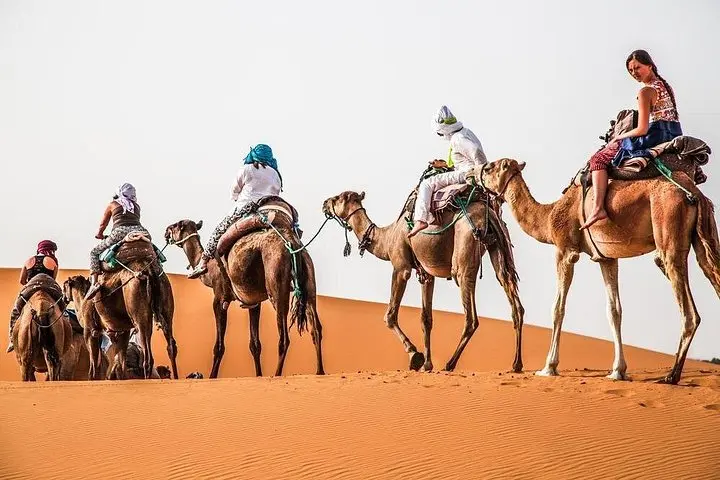
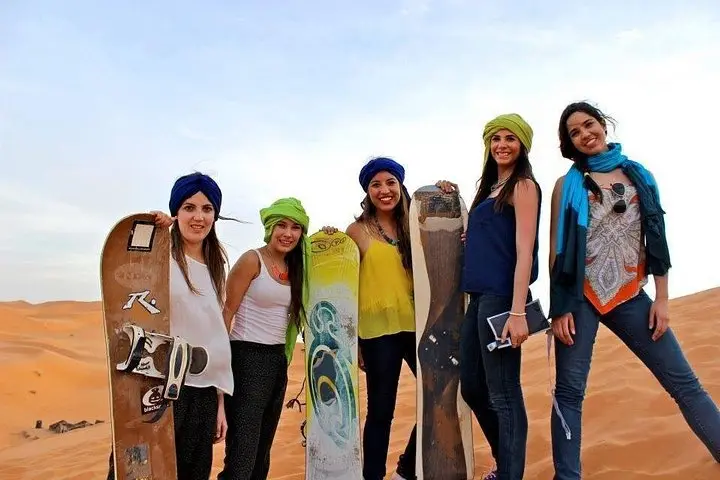
Sunlight slices across the dunes as the convoy crests the last ridge — the desert opens like a slow-breathing organism, its ridgelines daring you to walk them. This three-day loop leaves Marrakech at first light, climbs the Tizi n’Tichka pass through the High Atlas, threads the cinematic kasbahs of Ait Ben Haddou, and finishes under the wide sky of Erg Chebbi at Merzouga.
Verified experiences and guided adventures in the surrounding area.
Operated by Morocco Tours Services · Merzouga, Drâa-Tafilalet
Sunlight slices across the dunes as the convoy crests the last ridge — the desert opens like a slow-breathing organism, its ridgelines daring you to walk them. This three-day loop leaves Marrakech at first light, climbs the Tizi n’Tichka pass through the High Atlas, threads the cinematic kasbahs of Ait Ben Haddou, and finishes under the wide sky of Erg Chebbi at Merzouga.
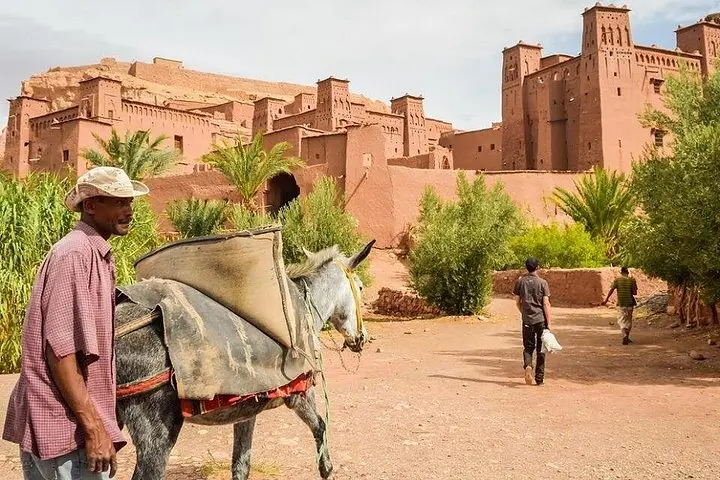
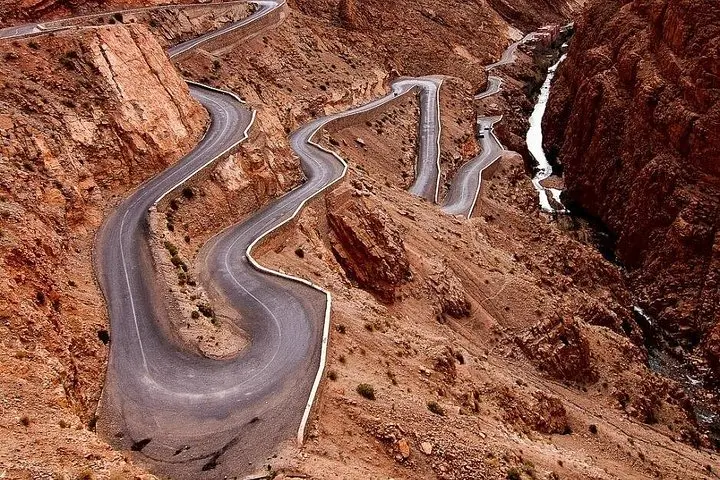
The route stitches history and geology: fortified ksars built from mud-brick speak to caravan routes and cinema crews, while the dunes themselves are living features — wind-sculpted ripples that migrate seasonally across a gravel plain. Berber villages that cling to mountain terraces offer glimpses of local life; palm oases and the Dades and Todra gorges reveal the contrast between river-carved canyons and the Sahara’s loose, granular architecture.
Cultural notes: expect English-speaking driver-guides, local desert guides and an evening of drum-led music in a luxury bivouac. The core experiences are long, scenic drives (several hours each day), short canyon walks, a two-hour camel transfer at sunset, and sleeping in a desert camp under open sky.
Practical guidance: travel light, bring layered clothes for cold desert nights and hot days, and hydrate often — the dry air accelerates dehydration. Footwear should be sturdy for rocky gorges and sand. Schedule sunrises and sunsets in the dunes — they’re the most stable weather windows and the best photography light. Finally, allow travel time between stops; the region’s roads and local stops are part of the journey.
Yes — the itinerary includes pickup from your Marrakech riad or agreed point; confirm pickup time when booking.
The camel transfer to the bivouac is typically about two hours timed to arrive before sunset.
This tour uses luxury desert camps with mattresses and shared or private tent setups plus dinner and breakfast provided.
Spring and fall offer the most temperate conditions; winter nights are cold and summer can be very hot midday.
Morocco Tours Services operates guided outdoor trips and adventures with an emphasis on safety, stewardship, and memorable experiences.
Sunlight slices across the dunes as the convoy crests the last ridge — the desert opens like a slow-breathing organism, its ridgelines daring you to walk them. This three-day loop leaves Marrakech at first light, climbs the Tizi n’Tichka pass through the High Atlas, threads the cinematic kasbahs of Ait Ben Haddou, and finishes under the wide sky of Erg Chebbi at Merzouga.
Sunlight slices across the dunes as the convoy crests the last ridge — the desert opens like a slow-breathing organism, its ridgelines daring you to walk them. This three-day loop leaves Marrakech at first light, climbs the Tizi n’Tichka pass through the High Atlas, threads the cinematic kasbahs of Ait Ben Haddou, and finishes under the wide sky of Erg Chebbi at Merzouga.
The route stitches history and geology: fortified ksars built from mud-brick speak to caravan routes and cinema crews, while the dunes themselves are living features — wind-sculpted ripples that migrate seasonally across a gravel plain. Berber villages that cling to mountain terraces offer glimpses of local life; palm oases and the Dades and Todra gorges reveal the contrast between river-carved canyons and the Sahara’s loose, granular architecture.
Cultural notes: expect English-speaking driver-guides, local desert guides and an evening of drum-led music in a luxury bivouac. The core experiences are long, scenic drives (several hours each day), short canyon walks, a two-hour camel transfer at sunset, and sleeping in a desert camp under open sky.
Practical guidance: travel light, bring layered clothes for cold desert nights and hot days, and hydrate often — the dry air accelerates dehydration. Footwear should be sturdy for rocky gorges and sand. Schedule sunrises and sunsets in the dunes — they’re the most stable weather windows and the best photography light. Finally, allow travel time between stops; the region’s roads and local stops are part of the journey.