THE ADVENTURE COLLECTIVE® · Independent discovery and booking for outdoor travel

A three-day wildlife loop into Mikumi National Park combining open game drives and an armed, guided walking safari. Expect wide floodplain views, close encounters with buffalo and giraffe, nights at a campsite or banda, and long drives to reach the park from Dar es Salaam.
A three-day wildlife loop into Mikumi National Park combining open game drives and an armed, guided walking safari. Expect wide floodplain views, close encounters with buffalo and giraffe, nights at a campsite or banda, and long drives to reach the park from Dar es Salaam.
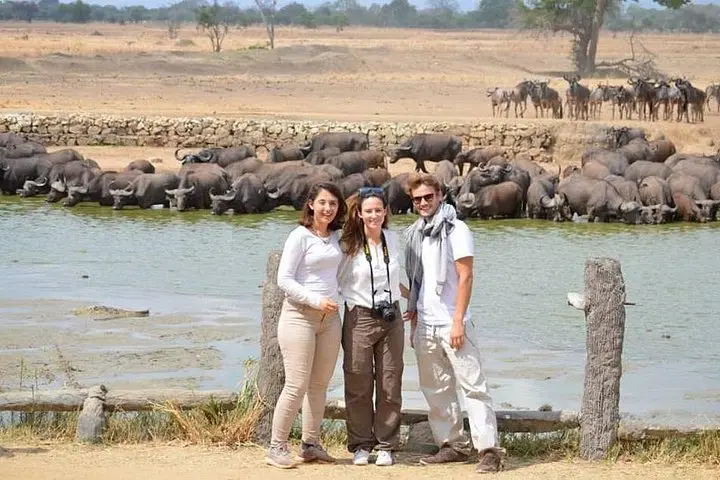
You arrive before dawn on a red-dust road and the plains of Mikumi open like a slow breath—the Mkata Floodplain stretching to the horizon, flat and wide, grasses bowing under an early wind. Vehicles peel away from the campsite as guides scan the skyline; a lone giraffe tilts its neck among acacia crowns and the nearby hippo pools breathe steam into the morning.
Verified experiences and guided adventures in the surrounding area.
Operated by Safaris Partners · Mikumi, Morogoro Region
You arrive before dawn on a red-dust road and the plains of Mikumi open like a slow breath—the Mkata Floodplain stretching to the horizon, flat and wide, grasses bowing under an early wind. Vehicles peel away from the campsite as guides scan the skyline; a lone giraffe tilts its neck among acacia crowns and the nearby hippo pools breathe steam into the morning.
Mikumi sits at the southern edge of Tanzania’s Eastern Arc, its soils born of ancient metamorphic rocks and the seasonal floods that shape the Mkata plain. The park’s history ties to colonial-era conservation and Maasai grazing routes; local communities around Mikumi town keep pastoral traditions and informal knowledge of waterholes and migratory corridors.
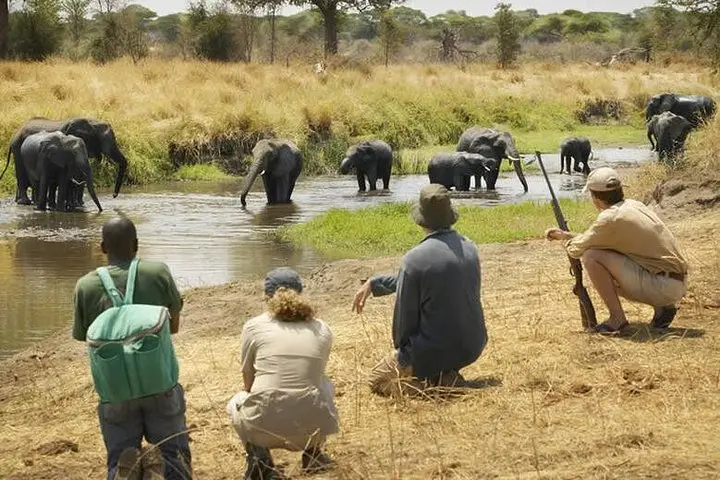
On this three-day loop expect classic East African savanna—open game drives across Kisungura and Hippo Dams, evenings at a campsite or bandas listening to hyena laughs, and an escorted walking safari where a ranger steers you through tracks of impala and elephant. Birdlife is prolific; the floodplain draws waterbirds and raptors.
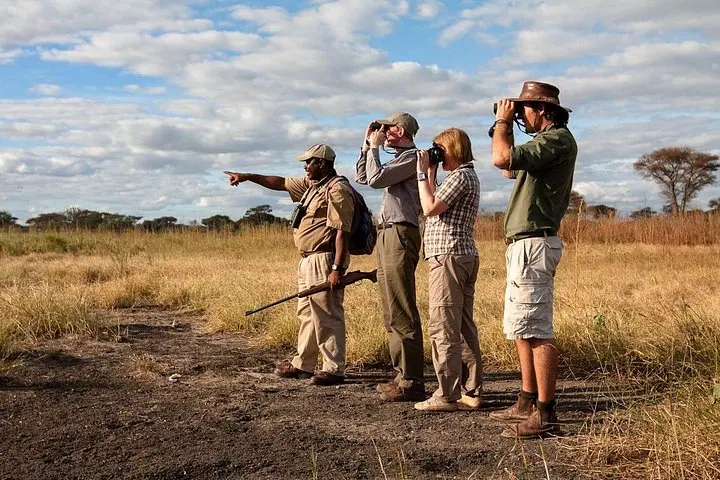
Practical notes: plan for long drives if you’re starting from Dar es Salaam (about seven hours each way). Wear layered sun protection, carry at least 2–3 liters of water per person, and bring binoculars for distant plains work. Game viewing peaks in the dry months (June–October) when animals concentrate near permanent water; rainy months soften tracks and raise heat but bring verdant landscapes and newborns.
Respect park rules, keep distance from wildlife, and follow ranger instructions on walking safaris—these are the measures that keep both visitors and the park’s wild residents safe.
Expect about seven hours depending on traffic and road conditions; most groups depart early morning to arrive before an afternoon game drive.
Walking safaris are conducted with an armed, experienced ranger; they focus on safety and follow established routes—participants must follow the ranger’s instructions at all times.
Options typically include bandas (simple park bandas) or camping at designated campsites; the itinerary may be customized to use lodges at higher budgets.
Consult your travel health provider—malaria is present in the region and routine vaccinations are recommended; carry insect repellent and use netting where provided.
Safaris Partners operates guided outdoor trips and adventures with an emphasis on safety, stewardship, and memorable experiences.
You arrive before dawn on a red-dust road and the plains of Mikumi open like a slow breath—the Mkata Floodplain stretching to the horizon, flat and wide, grasses bowing under an early wind. Vehicles peel away from the campsite as guides scan the skyline; a lone giraffe tilts its neck among acacia crowns and the nearby hippo pools breathe steam into the morning.
You arrive before dawn on a red-dust road and the plains of Mikumi open like a slow breath—the Mkata Floodplain stretching to the horizon, flat and wide, grasses bowing under an early wind. Vehicles peel away from the campsite as guides scan the skyline; a lone giraffe tilts its neck among acacia crowns and the nearby hippo pools breathe steam into the morning.
Mikumi sits at the southern edge of Tanzania’s Eastern Arc, its soils born of ancient metamorphic rocks and the seasonal floods that shape the Mkata plain. The park’s history ties to colonial-era conservation and Maasai grazing routes; local communities around Mikumi town keep pastoral traditions and informal knowledge of waterholes and migratory corridors.
On this three-day loop expect classic East African savanna—open game drives across Kisungura and Hippo Dams, evenings at a campsite or bandas listening to hyena laughs, and an escorted walking safari where a ranger steers you through tracks of impala and elephant. Birdlife is prolific; the floodplain draws waterbirds and raptors.
Practical notes: plan for long drives if you’re starting from Dar es Salaam (about seven hours each way). Wear layered sun protection, carry at least 2–3 liters of water per person, and bring binoculars for distant plains work. Game viewing peaks in the dry months (June–October) when animals concentrate near permanent water; rainy months soften tracks and raise heat but bring verdant landscapes and newborns.
Respect park rules, keep distance from wildlife, and follow ranger instructions on walking safaris—these are the measures that keep both visitors and the park’s wild residents safe.