THE ADVENTURE COLLECTIVE® · Independent discovery and booking for outdoor travel

Experience Angkor’s sunrise, jungle temples, Kulen’s cool waterfall and the floating villages of Tonle Sap on a focused three-day private tour. Early starts, temple etiquette, and a mix of archaeology and local life make this a compact yet immersive Cambodia experience.
Experience Angkor’s sunrise, jungle temples, Kulen’s cool waterfall and the floating villages of Tonle Sap on a focused three-day private tour. Early starts, temple etiquette, and a mix of archaeology and local life make this a compact yet immersive Cambodia experience.
You step from the van before dawn, humid air pressing against your skin, and walk toward the silhouette of Angkor Wat as the sky blanches into gold. The moat reflects lotus leaves and carved towers; voices of vendors and the distant toll of a temple bell punctuate the hush.
Verified experiences and guided adventures in the surrounding area.
Operated by Angkor Special Tours · Siem Reap, Siem Reap Province
You step from the van before dawn, humid air pressing against your skin, and walk toward the silhouette of Angkor Wat as the sky blanches into gold. The moat reflects lotus leaves and carved towers; voices of vendors and the distant toll of a temple bell punctuate the hush.
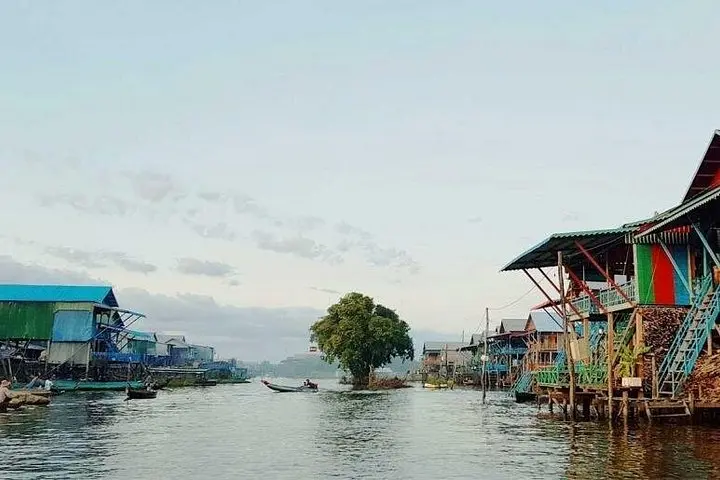
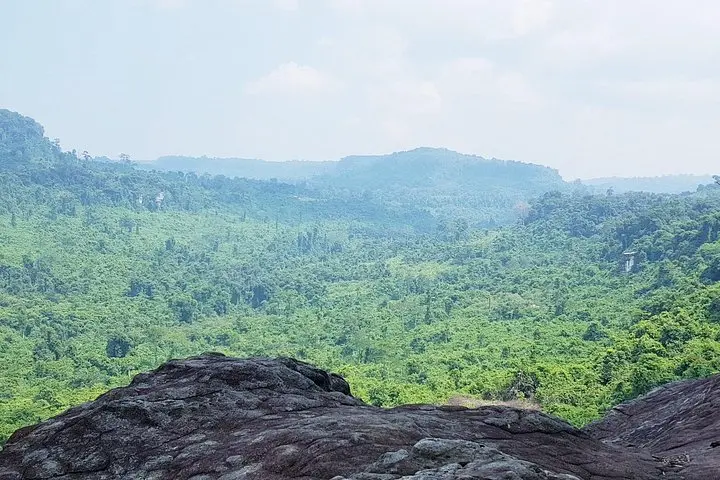
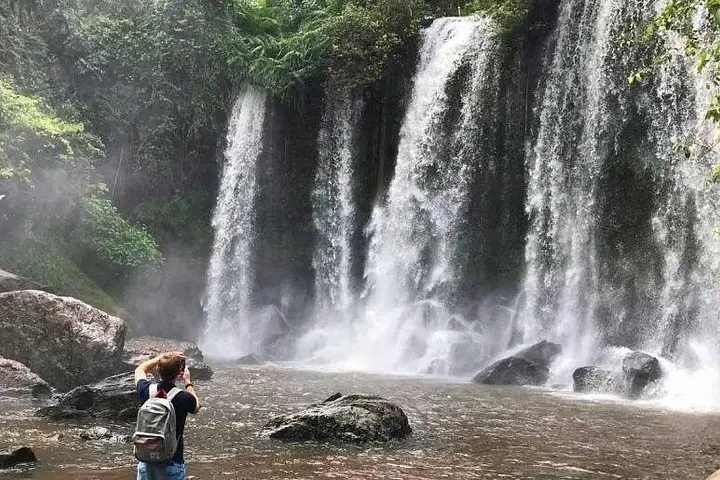
These three days move from monumental Khmer stone—Angkor Wat, Bayon’s carved faces, Banteay Srei’s fine pink sandstone—to the raw, green edge of Kulen Mountain where cascades have cut channels through ancient volcanic and sandstone bedrock. Ta Prohm shows how fig roots pry at masonry; Beng Mealea gives a sense of how quickly jungle reclaims architecture. Tonle Sap’s floating villages illustrate a living adaptation to seasonal flooding: houses on stilts, boats as front doors.
Culturally, the tour spans Hindu and Buddhist layers of Cambodia’s Angkorian period (9th–15th centuries) and modern rural life, from palm-sugar makers to monks in saffron robes.
Practical guidance: plan early starts—sunrise at Angkor Wat means a 4:30–5:00 a.m. pickup. Bring modest clothing that covers shoulders and knees for temple entry, a sun hat, and at least 2 liters of water per person per day. Expect dusty tracks and uneven stone steps; good walking shoes are essential. Buy or have your guide buy the Angkor Park pass (1–3 day options) and set aside cash for the Tonle Sap boat ticket.
Pace yourself: mornings are best for temples, afternoons for Kulen’s waterfall and Beng Mealea when light softens and temperatures drop. Respect temple rules—no climbing on bas-reliefs—and leave no trace in villages and waterways.
Angkor Park passes are not included by default; guides can usually buy them for you on arrival or you can purchase at the official ticket center—1, 3, and 7-day passes are available.
November–February offers cooler, drier weather and clearer sunrises; the monsoon season (May–Oct) brings heavy rain but lusher green landscapes and fewer tourists.
Some areas like the main Angkor Wat causeway are accessible, but many temples have uneven stone, stairs, and soft jungle tracks; wheelchair accessibility is limited at several sites despite vehicle access.
Private boat tours for the floating villages commonly start around $20 per person, but prices vary by boat size and season—cash is preferred.
Angkor Special Tours operates guided outdoor trips and adventures with an emphasis on safety, stewardship, and memorable experiences.
You step from the van before dawn, humid air pressing against your skin, and walk toward the silhouette of Angkor Wat as the sky blanches into gold. The moat reflects lotus leaves and carved towers; voices of vendors and the distant toll of a temple bell punctuate the hush.
You step from the van before dawn, humid air pressing against your skin, and walk toward the silhouette of Angkor Wat as the sky blanches into gold. The moat reflects lotus leaves and carved towers; voices of vendors and the distant toll of a temple bell punctuate the hush.
These three days move from monumental Khmer stone—Angkor Wat, Bayon’s carved faces, Banteay Srei’s fine pink sandstone—to the raw, green edge of Kulen Mountain where cascades have cut channels through ancient volcanic and sandstone bedrock. Ta Prohm shows how fig roots pry at masonry; Beng Mealea gives a sense of how quickly jungle reclaims architecture. Tonle Sap’s floating villages illustrate a living adaptation to seasonal flooding: houses on stilts, boats as front doors.
Culturally, the tour spans Hindu and Buddhist layers of Cambodia’s Angkorian period (9th–15th centuries) and modern rural life, from palm-sugar makers to monks in saffron robes.
Practical guidance: plan early starts—sunrise at Angkor Wat means a 4:30–5:00 a.m. pickup. Bring modest clothing that covers shoulders and knees for temple entry, a sun hat, and at least 2 liters of water per person per day. Expect dusty tracks and uneven stone steps; good walking shoes are essential. Buy or have your guide buy the Angkor Park pass (1–3 day options) and set aside cash for the Tonle Sap boat ticket.
Pace yourself: mornings are best for temples, afternoons for Kulen’s waterfall and Beng Mealea when light softens and temperatures drop. Respect temple rules—no climbing on bas-reliefs—and leave no trace in villages and waterways.