THE ADVENTURE COLLECTIVE® · Independent discovery and booking for outdoor travel

Taste Rio over three days: hands-on cooking in Ipanema, market fruit tastings, a guided session sampling 33 regional dishes, and a lively Lapa food crawl. Practical, sensory, and social — this tour teaches you the city through flavor.
Taste Rio over three days: hands-on cooking in Ipanema, market fruit tastings, a guided session sampling 33 regional dishes, and a lively Lapa food crawl. Practical, sensory, and social — this tour teaches you the city through flavor.
You arrive in Rio as the sun leans toward the Atlantic, and the city smells of toasted cassava and sugarcane. The first evening in Ipanema is a hands-on cooking class: open flame, chopping boards, and a chorus of caipirinhas as you sear picanha and simmer Bahian moqueca. Later, the market aisles become a sensory map — bright açaí, tart acerola, and the creamy surprise of cupuaçu — each stall a short oral history of Brazil’s regions.
Verified experiences and guided adventures in the surrounding area.
Operated by Cook in Fiesta · Rio de Janeiro, Rio de Janeiro
You arrive in Rio as the sun leans toward the Atlantic, and the city smells of toasted cassava and sugarcane. The first evening in Ipanema is a hands-on cooking class: open flame, chopping boards, and a chorus of caipirinhas as you sear picanha and simmer Bahian moqueca. Later, the market aisles become a sensory map — bright açaí, tart acerola, and the creamy surprise of cupuaçu — each stall a short oral history of Brazil’s regions.
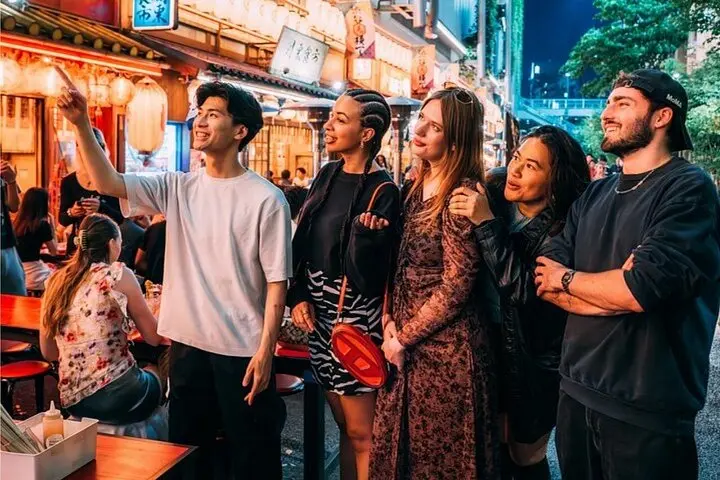
Rio’s food reflects its geography and history: coastal seafood from Portuguese and African influences, Amazonian fruits traded across centuries, and immigrant dishes layered into the Carioca palate. The city’s volcanic granite outcrops and sweeping beaches shaped settlement patterns that concentrated markets and nightlife in neighborhoods like Ipanema and Lapa, where the tour finishes with street snacks and live music.
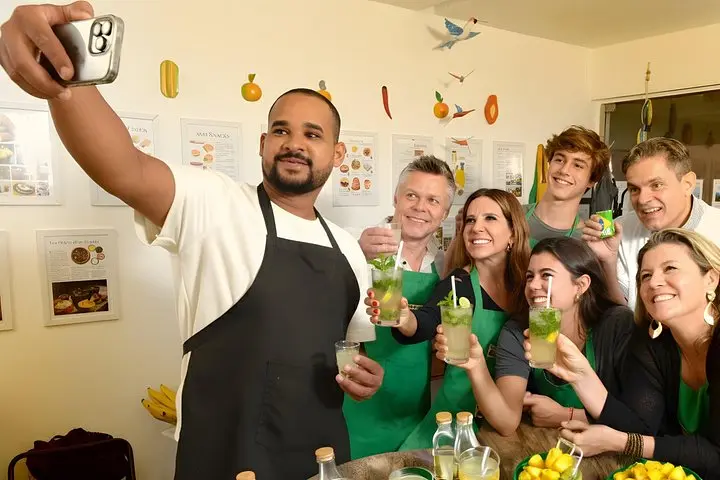
Expect structured but relaxed days — a guided tasting of dozens of items, a cooking session that’s more party than class, and an afternoon food crawl through alleys and bars. The pace favors tasting and conversation more than sightseeing; you’ll stand, walk short blocks, and sit for shared meals.
Practical guidance: bring breathable shoes for market surfaces and uneven sidewalks, pack a small daypack for purchases, and time your stomach — portions are generous. Tipping follows local norms (10–15% where service is provided). Weather is warm year-round; rain is possible in summer, so a light waterproof layer helps. This tour is a compact culinary primer: sensory, social, and deeply Rio.
Yes—advance notice of dietary restrictions is requested during booking; guides will adapt tastings and the cooking class where possible.
Mostly short walks between stalls and venues with some standing during tastings; expect several hours of light urban walking each day.
Some tastings and meals include drinks as described; confirm specifics at booking for alcoholic beverages and included meals.
Groups are small (up to 12); the pace is relaxed and focused on sampling and conversation rather than fast sightseeing.
Cook in Fiesta operates guided outdoor trips and adventures with an emphasis on safety, stewardship, and memorable experiences.
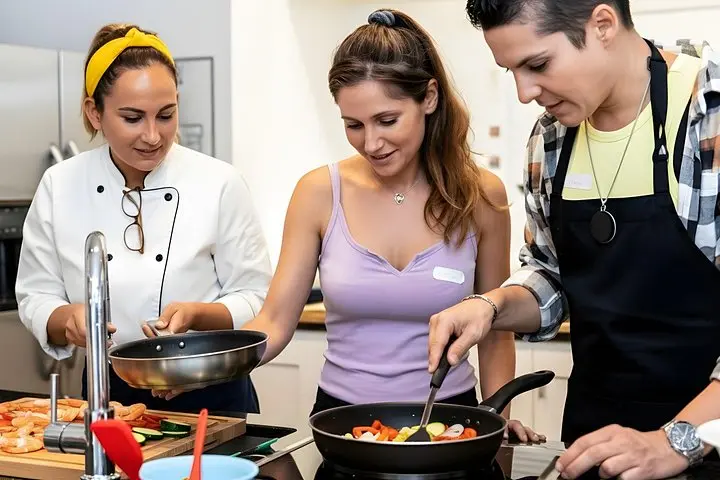
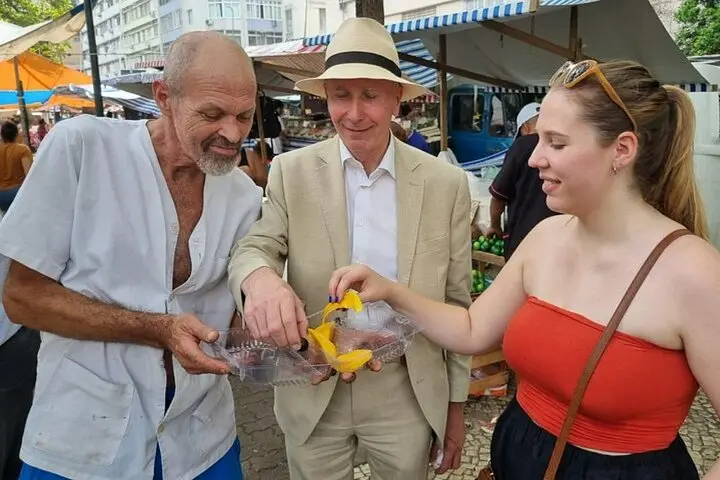
You arrive in Rio as the sun leans toward the Atlantic, and the city smells of toasted cassava and sugarcane. The first evening in Ipanema is a hands-on cooking class: open flame, chopping boards, and a chorus of caipirinhas as you sear picanha and simmer Bahian moqueca. Later, the market aisles become a sensory map — bright açaí, tart acerola, and the creamy surprise of cupuaçu — each stall a short oral history of Brazil’s regions.
You arrive in Rio as the sun leans toward the Atlantic, and the city smells of toasted cassava and sugarcane. The first evening in Ipanema is a hands-on cooking class: open flame, chopping boards, and a chorus of caipirinhas as you sear picanha and simmer Bahian moqueca. Later, the market aisles become a sensory map — bright açaí, tart acerola, and the creamy surprise of cupuaçu — each stall a short oral history of Brazil’s regions.
Rio’s food reflects its geography and history: coastal seafood from Portuguese and African influences, Amazonian fruits traded across centuries, and immigrant dishes layered into the Carioca palate. The city’s volcanic granite outcrops and sweeping beaches shaped settlement patterns that concentrated markets and nightlife in neighborhoods like Ipanema and Lapa, where the tour finishes with street snacks and live music.
Expect structured but relaxed days — a guided tasting of dozens of items, a cooking session that’s more party than class, and an afternoon food crawl through alleys and bars. The pace favors tasting and conversation more than sightseeing; you’ll stand, walk short blocks, and sit for shared meals.
Practical guidance: bring breathable shoes for market surfaces and uneven sidewalks, pack a small daypack for purchases, and time your stomach — portions are generous. Tipping follows local norms (10–15% where service is provided). Weather is warm year-round; rain is possible in summer, so a light waterproof layer helps. This tour is a compact culinary primer: sensory, social, and deeply Rio.