THE ADVENTURE COLLECTIVE® · Independent discovery and booking for outdoor travel

A compact 72-hour route through the Inca heartland: terraces and salt pans of the Sacred Valley, a guided visit to Machu Picchu, and the high‑altitude hike to Rainbow Mountain. Expect steep climbs, thin air and unforgettable Andean vistas.
A compact 72-hour route through the Inca heartland: terraces and salt pans of the Sacred Valley, a guided visit to Machu Picchu, and the high‑altitude hike to Rainbow Mountain. Expect steep climbs, thin air and unforgettable Andean vistas.
You step out before dawn into thin, bright air; terraces cut the hillside into stepped shadows and the salt pans at Maras glitter like a distant grid. The bus hums along the Sacred Valley and the Andes seem to measure your breath—every climb is a conversation with altitude.
Verified experiences and guided adventures in the surrounding area.
Operated by Suyos Adventure · Cusco, Cusco Region
You step out before dawn into thin, bright air; terraces cut the hillside into stepped shadows and the salt pans at Maras glitter like a distant grid. The bus hums along the Sacred Valley and the Andes seem to measure your breath—every climb is a conversation with altitude.
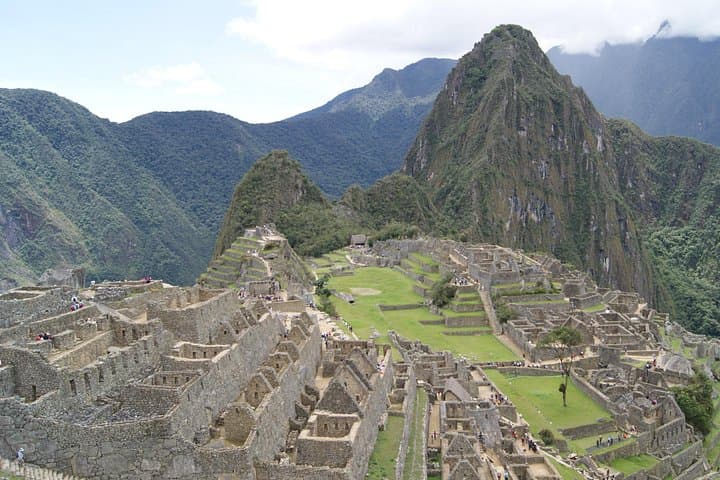
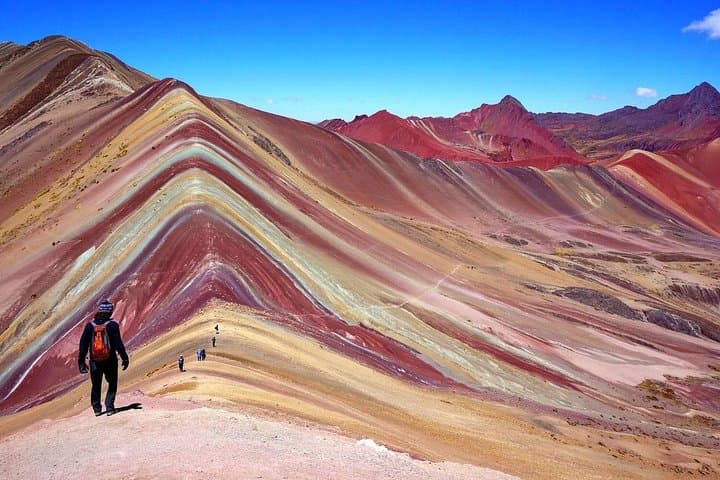
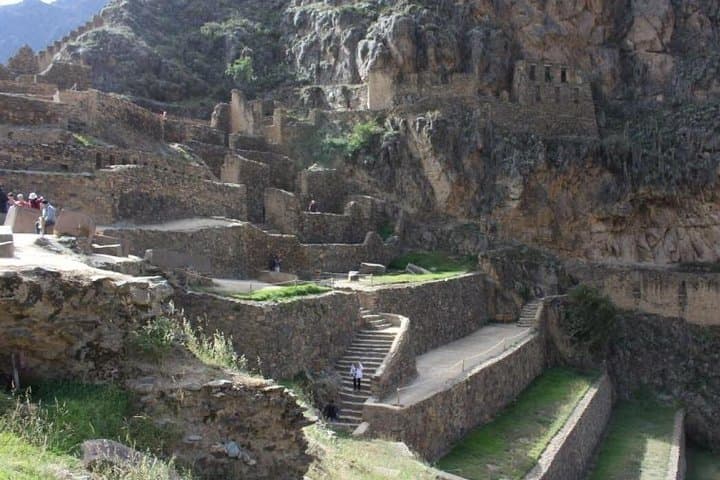
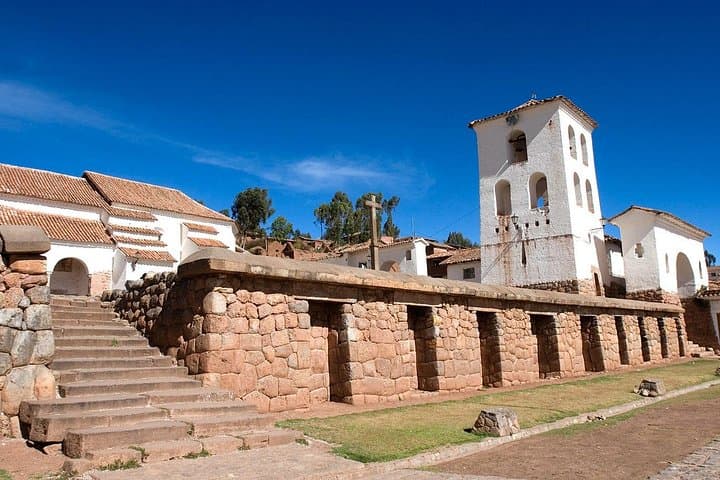
This three-day loop threads classic Inca places: Chinchero’s colonial church with Inca foundations, the concentric agricultural amphitheaters of Moray, the hand-carved salt pools at Maras and the fortress-town of Ollantaytambo. Machu Picchu’s stone plazas and narrow alleys expose the precision of Inca masonry, while the Mountain of Colors (Vinicunca) reveals sedimentary bands oxidized into reds, ochres and greens by mineral deposits on a glacial flank below the Nevado Ausangate.
Expect high-elevation walking: Vinicunca’s trail is roughly 4–5 km round-trip with ~400–500 m ascent; Machu Picchu touring involves several kilometers over uneven stone at ~2,430 m. The geology shifts from cultivated river terraces to salt springs and high puna; culturally you’ll pass Quechua-speaking villages and family-run salt pools that have been worked for generations.
Practical notes: acclimatize in Cusco (3,400 m) for 24–48 hours if possible, carry water, sun protection and layers for rapid temperature swings. Trains run between Ollantaytambo and Aguas Calientes; buses connect to Machu Picchu. Guides on this itinerary handle permits and most transfers, but expect early starts, communal groups and walking on steep, rocky ground. Respect marked paths, keep a slow pace uphill, and leave extra time for breathing and photos—the highlands demand patience and repay it with clear light and expansive views.
Yes — entry to Machu Picchu has limited daily permits. Tours typically include or secure these tickets in advance; confirm before travel.
The hike is short (4–5 km round-trip) but steep and at high altitude with about 400–500 m of ascent; expect 2–4 hours depending on pace and acclimatization.
Moderate fitness suffices for this itinerary — you should be comfortable walking several hours on uneven terrain and able to manage steep pitches at altitude.
Parts of the tour (vehicle transfers and some Sacred Valley sites) can accommodate infants, but summit trails and Machu Picchu involve many stairs and uneven ground, so a carrier is recommended.
Suyos Adventure operates guided outdoor trips and adventures with an emphasis on safety, stewardship, and memorable experiences.
You step out before dawn into thin, bright air; terraces cut the hillside into stepped shadows and the salt pans at Maras glitter like a distant grid. The bus hums along the Sacred Valley and the Andes seem to measure your breath—every climb is a conversation with altitude.
You step out before dawn into thin, bright air; terraces cut the hillside into stepped shadows and the salt pans at Maras glitter like a distant grid. The bus hums along the Sacred Valley and the Andes seem to measure your breath—every climb is a conversation with altitude.
This three-day loop threads classic Inca places: Chinchero’s colonial church with Inca foundations, the concentric agricultural amphitheaters of Moray, the hand-carved salt pools at Maras and the fortress-town of Ollantaytambo. Machu Picchu’s stone plazas and narrow alleys expose the precision of Inca masonry, while the Mountain of Colors (Vinicunca) reveals sedimentary bands oxidized into reds, ochres and greens by mineral deposits on a glacial flank below the Nevado Ausangate.
Expect high-elevation walking: Vinicunca’s trail is roughly 4–5 km round-trip with ~400–500 m ascent; Machu Picchu touring involves several kilometers over uneven stone at ~2,430 m. The geology shifts from cultivated river terraces to salt springs and high puna; culturally you’ll pass Quechua-speaking villages and family-run salt pools that have been worked for generations.
Practical notes: acclimatize in Cusco (3,400 m) for 24–48 hours if possible, carry water, sun protection and layers for rapid temperature swings. Trains run between Ollantaytambo and Aguas Calientes; buses connect to Machu Picchu. Guides on this itinerary handle permits and most transfers, but expect early starts, communal groups and walking on steep, rocky ground. Respect marked paths, keep a slow pace uphill, and leave extra time for breathing and photos—the highlands demand patience and repay it with clear light and expansive views.