THE ADVENTURE COLLECTIVE® · Independent discovery and booking for outdoor travel

A compact three-day safari from Arusha that visits Tarangire’s elephants, the wildlife-rich Ngorongoro crater floor, and Lake Manyara’s flamingo-lined shores. Ideal for travelers seeking big-game viewing on a modest budget with overnight camping and lodge stays.
A compact three-day safari from Arusha that visits Tarangire’s elephants, the wildlife-rich Ngorongoro crater floor, and Lake Manyara’s flamingo-lined shores. Ideal for travelers seeking big-game viewing on a modest budget with overnight camping and lodge stays.
You’re on a dusty track at first light, jeep windows peeled back to the dawn. Tarangire’s baobabs throw long shadows as a herd of elephants moves through tall grass; birds call from acacia branches and the engine hums a respectful background note.
Verified experiences and guided adventures in the surrounding area.
Operated by Safari G.O.A.T.S · Arusha, Arusha Region
You’re on a dusty track at first light, jeep windows peeled back to the dawn. Tarangire’s baobabs throw long shadows as a herd of elephants moves through tall grass; birds call from acacia branches and the engine hums a respectful background note.
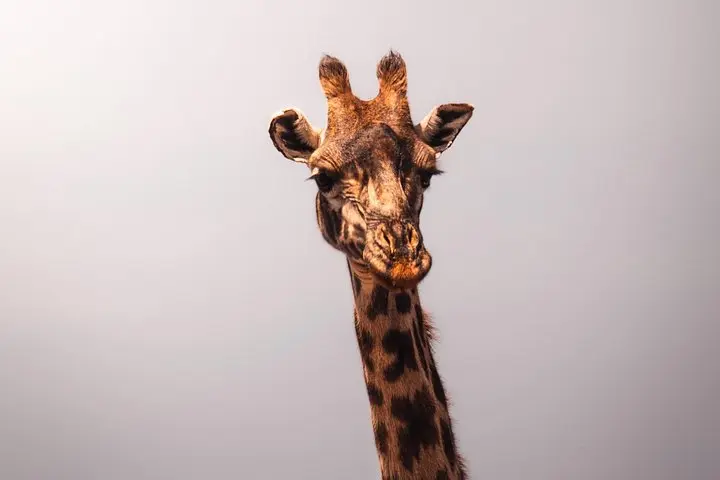
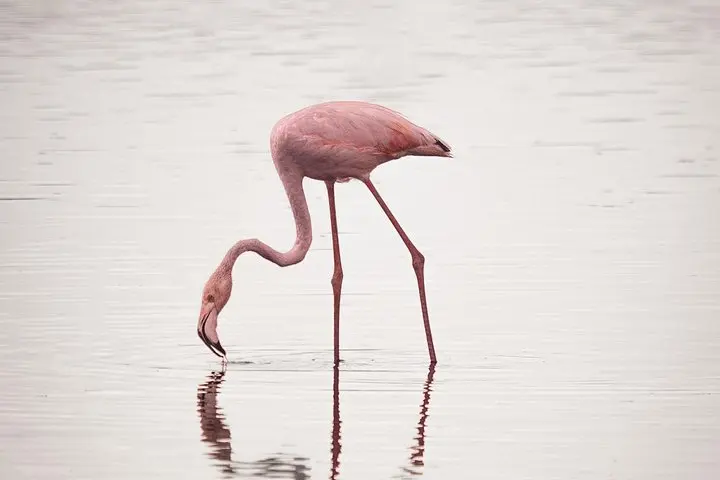
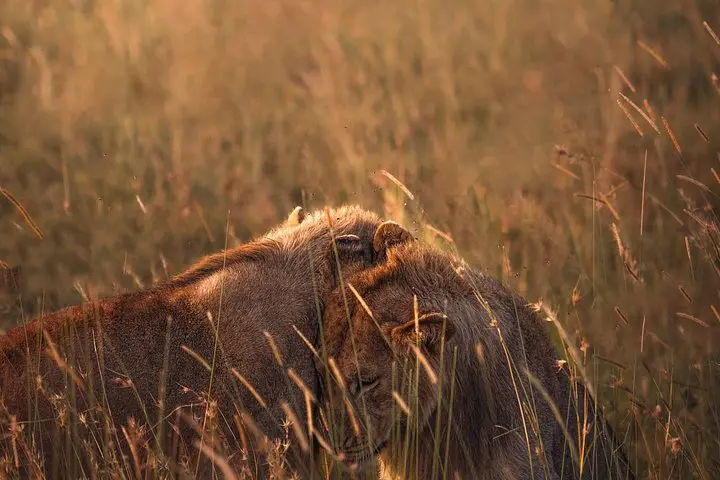
This three-day loop traces geological extremes and cultural layers: the broad floodplain and elephant country of Tarangire, the collapsed caldera of Ngorongoro carved by ancient volcanic forces, and the soda-lake edge of Lake Manyara where flamingos stain the shallows pink and tree-climbing lions rest in low branches. The Maasai have grazed cattle on these slopes for generations; park gates and fees support both protected habitat and community services.
Expect long but measured game drives—daily windows of about six hours—over graded dirt roads and short walking stretches at campsites. Wildlife viewing is easiest in the dry months when animals concentrate around water; birding peaks in the wet season. Nights are spent in a mix of simple lodge and campsite accommodations, with provided meals and basic camping equipment.
Practical pointers: pack layers for early mornings and cooler crater rims, bring binoculars and a long lens for distant cats, and hydrate—water is supplied but carry a refill bottle. Start drives at dawn to catch predators returning from night hunts and avoid midday heat. Respect vehicle distance rules in parks, and consider tipping local guides if they enhance sightings. With modest fitness and sensible gear, this itinerary delivers high wildlife payoff in three compact days.
Most departures and returns are from Arusha with hotel pickup—final details are confirmed at booking.
Yellow fever vaccination may be required if arriving from infected countries; check Tanzania visa requirements and routine vaccinations with your doctor.
Yes—this tour is family-friendly, but expect early starts and long drives; infants and young children should use appropriate car/booster seats if needed.
Accommodation is a mix of basic lodge and campsite (fig lodge and campsite listed), with provided meals and shared facilities.
Safari G.O.A.T.S operates guided outdoor trips and adventures with an emphasis on safety, stewardship, and memorable experiences.

You’re on a dusty track at first light, jeep windows peeled back to the dawn. Tarangire’s baobabs throw long shadows as a herd of elephants moves through tall grass; birds call from acacia branches and the engine hums a respectful background note.
You’re on a dusty track at first light, jeep windows peeled back to the dawn. Tarangire’s baobabs throw long shadows as a herd of elephants moves through tall grass; birds call from acacia branches and the engine hums a respectful background note.
This three-day loop traces geological extremes and cultural layers: the broad floodplain and elephant country of Tarangire, the collapsed caldera of Ngorongoro carved by ancient volcanic forces, and the soda-lake edge of Lake Manyara where flamingos stain the shallows pink and tree-climbing lions rest in low branches. The Maasai have grazed cattle on these slopes for generations; park gates and fees support both protected habitat and community services.
Expect long but measured game drives—daily windows of about six hours—over graded dirt roads and short walking stretches at campsites. Wildlife viewing is easiest in the dry months when animals concentrate around water; birding peaks in the wet season. Nights are spent in a mix of simple lodge and campsite accommodations, with provided meals and basic camping equipment.
Practical pointers: pack layers for early mornings and cooler crater rims, bring binoculars and a long lens for distant cats, and hydrate—water is supplied but carry a refill bottle. Start drives at dawn to catch predators returning from night hunts and avoid midday heat. Respect vehicle distance rules in parks, and consider tipping local guides if they enhance sightings. With modest fitness and sensible gear, this itinerary delivers high wildlife payoff in three compact days.