THE ADVENTURE COLLECTIVE® · Independent discovery and booking for outdoor travel

Cross the High Atlas, ride camels into the Erg Chebbi dunes, and sleep under desert stars on a three-day trek from Marrakech to Fes. This concise route mixes geology, Berber culture, and a night in a traditional desert camp.
Cross the High Atlas, ride camels into the Erg Chebbi dunes, and sleep under desert stars on a three-day trek from Marrakech to Fes. This concise route mixes geology, Berber culture, and a night in a traditional desert camp.
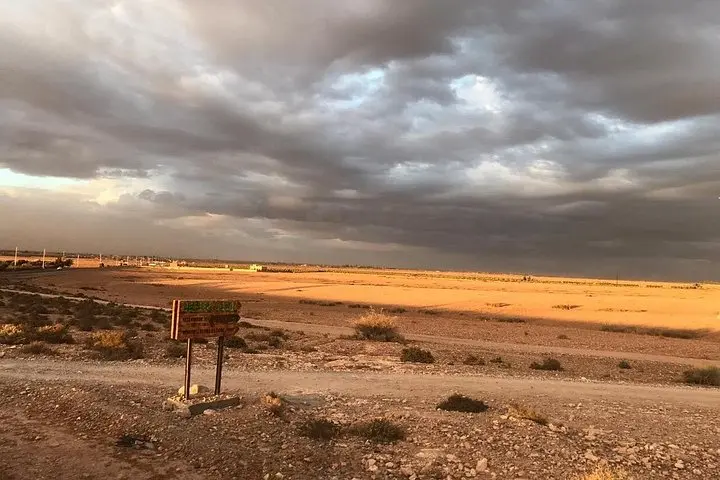
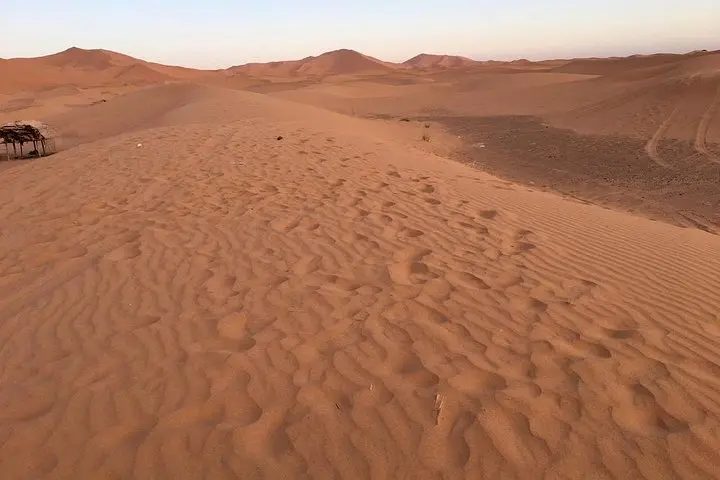
You crest a low pass in the High Atlas and the world unfurls: red clay kasbahs sit like stacked blocks, the road drops into palm-lined valleys, and then the land flattens into the dry, wind-formed waves of Erg Chebbi. By late afternoon a string of camels threads toward a small black-tent camp; at dusk the dunes take on a copper glow and the sky opens.
Verified experiences and guided adventures in the surrounding area.
Operated by Across Africa Tours LLC · Merzouga, Drâa-Tafilalet
You crest a low pass in the High Atlas and the world unfurls: red clay kasbahs sit like stacked blocks, the road drops into palm-lined valleys, and then the land flattens into the dry, wind-formed waves of Erg Chebbi. By late afternoon a string of camels threads toward a small black-tent camp; at dusk the dunes take on a copper glow and the sky opens.
This route follows centuries-old caravan ways and modern roads through dramatic geology. The High Atlas is folded limestone and volcanic rock; downstream, the Ziz Valley spills life into an otherwise arid region and feeds the date palm oases that supported trans-Saharan trade. You’ll pass Aït Benhaddou, a fortified ksar with earthen walls that housed film crews and caravans alike, and cross cedar-cloaked slopes near Ifrane, a sharp cultural contrast to the desert.
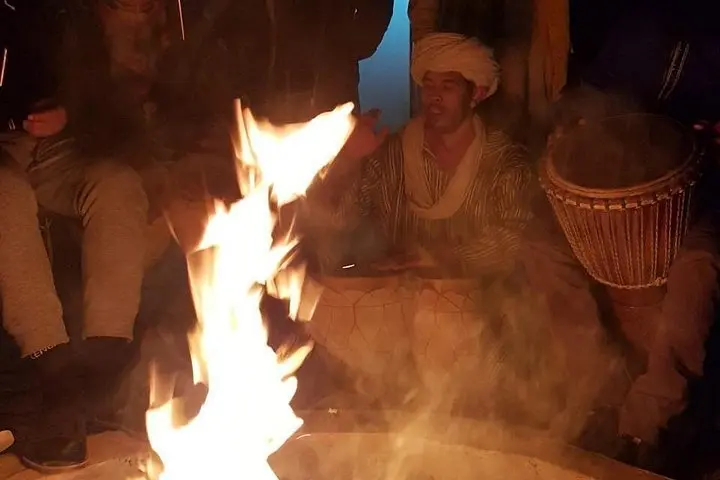
Culturally, expect Berber hospitality: shared tagine meals, local tea ceremonies, and small village markets where cash is king. Natural highlights include soft sandscapes that shift with wind and the sudden green of oases.
Practical guidance: plan for long drives—three days of mixed highway and desert tracks—and short camel rides that test balance more than endurance. Bring sun protection, layers for cool desert nights, and a daypack for water and cameras. If you’re sensitive to long drives or have mobility limits, advise tour operators when booking; tents are private but basic. Sunrise on the dunes is the payoff: arrive early and let the light reveal the scale of the Sahara.
Camel rides are low-intensity: you sit on a padded saddle and move at a slow walking pace; riders should be able to mount and dismount with minimal assistance.
Camps typically offer private tents with basic bedding, shared or private facilities depending on the operator—expect simple but clean accommodations designed for desert conditions.
Spring and fall offer the most comfortable daytime temperatures and cooler nights; summer can be very hot while winter nights are cold.
Yes—bookings require passport information and nationality; travelers should verify visa requirements for Morocco with local authorities before travel.
Across Africa Tours LLC operates guided outdoor trips and adventures with an emphasis on safety, stewardship, and memorable experiences.
You crest a low pass in the High Atlas and the world unfurls: red clay kasbahs sit like stacked blocks, the road drops into palm-lined valleys, and then the land flattens into the dry, wind-formed waves of Erg Chebbi. By late afternoon a string of camels threads toward a small black-tent camp; at dusk the dunes take on a copper glow and the sky opens.
You crest a low pass in the High Atlas and the world unfurls: red clay kasbahs sit like stacked blocks, the road drops into palm-lined valleys, and then the land flattens into the dry, wind-formed waves of Erg Chebbi. By late afternoon a string of camels threads toward a small black-tent camp; at dusk the dunes take on a copper glow and the sky opens.
This route follows centuries-old caravan ways and modern roads through dramatic geology. The High Atlas is folded limestone and volcanic rock; downstream, the Ziz Valley spills life into an otherwise arid region and feeds the date palm oases that supported trans-Saharan trade. You’ll pass Aït Benhaddou, a fortified ksar with earthen walls that housed film crews and caravans alike, and cross cedar-cloaked slopes near Ifrane, a sharp cultural contrast to the desert.
Culturally, expect Berber hospitality: shared tagine meals, local tea ceremonies, and small village markets where cash is king. Natural highlights include soft sandscapes that shift with wind and the sudden green of oases.
Practical guidance: plan for long drives—three days of mixed highway and desert tracks—and short camel rides that test balance more than endurance. Bring sun protection, layers for cool desert nights, and a daypack for water and cameras. If you’re sensitive to long drives or have mobility limits, advise tour operators when booking; tents are private but basic. Sunrise on the dunes is the payoff: arrive early and let the light reveal the scale of the Sahara.