THE ADVENTURE COLLECTIVE® · Independent discovery and booking for outdoor travel

Three days across southern Tunisia connect Roman ruins, troglodyte villages and vast salt flats. This private tour pairs cultural highlights like Kairouan and Sbeitla with desert scenery at Douz and Chott el Jerid—ideal for travelers seeking concentrated history and Sahara landscapes.
Three days across southern Tunisia connect Roman ruins, troglodyte villages and vast salt flats. This private tour pairs cultural highlights like Kairouan and Sbeitla with desert scenery at Douz and Chott el Jerid—ideal for travelers seeking concentrated history and Sahara landscapes.
You arrive where the asphalt thins and the world opens into pale salt flats and orange-tinged hills: Chott el Jerid shimmers ahead, a flatland that dares the sun to reveal its mirages. Over three compact days this private route threads Roman amphitheaters, troglodyte homes and date-palmed oases—each landscape offering a different rhythm and challenge.
Verified experiences and guided adventures in the surrounding area.
Operated by Tunez-Monumental · Tunis, Tunis
You arrive where the asphalt thins and the world opens into pale salt flats and orange-tinged hills: Chott el Jerid shimmers ahead, a flatland that dares the sun to reveal its mirages. Over three compact days this private route threads Roman amphitheaters, troglodyte homes and date-palmed oases—each landscape offering a different rhythm and challenge.
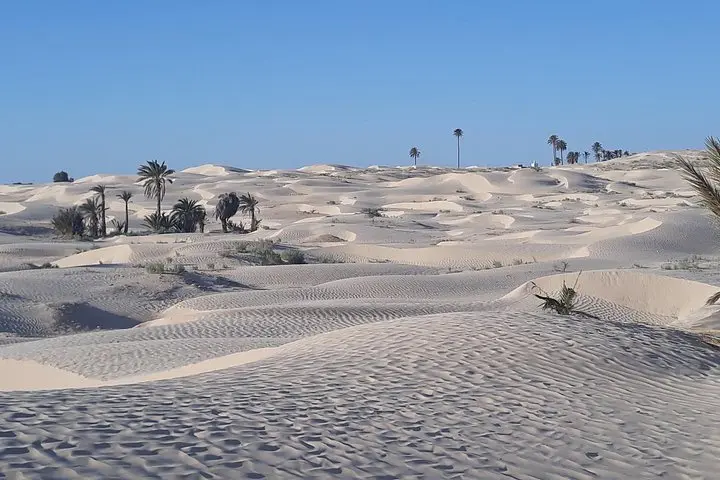
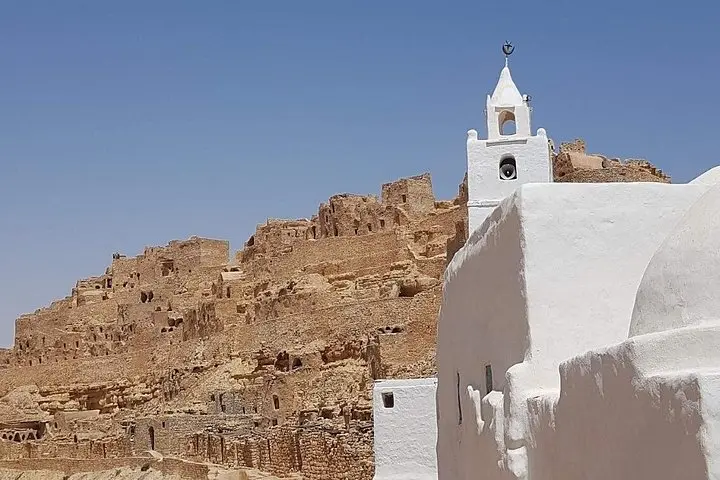
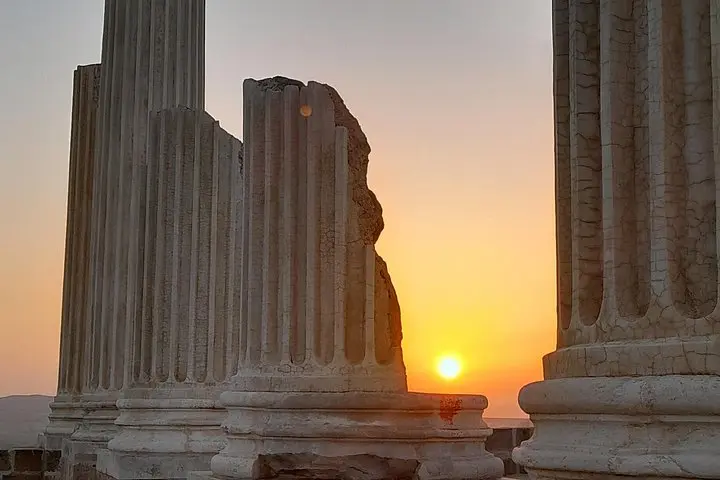
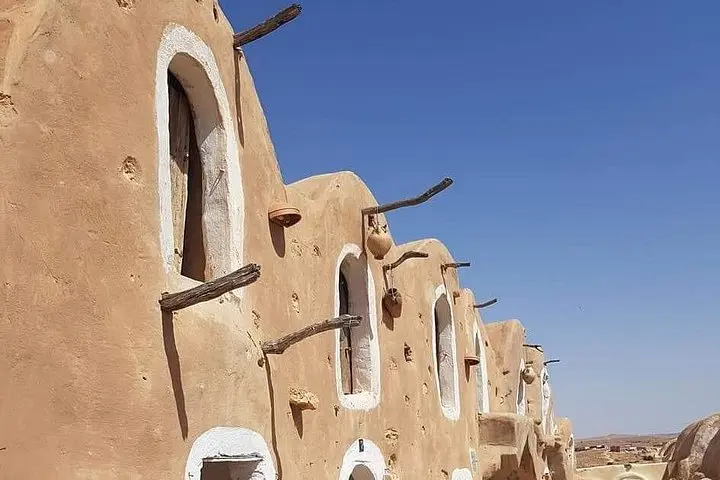
This itinerary ties Roman North Africa to Islamic learning and Berber traditions: El Djem and Sbeitla show the scale of imperial architecture, Kairouan marks early Islamic scholarship, and Matmata’s underground dwellings reflect millennia of adaptation to desert heat. Geology is on display too—salt pans born from evaporated lakes, folded Atlas outcrops framing oasis springs, and wind-sculpted dunes outside Douz.
Culture arrives in market stalls and palm groves: taste locally pressed dates, watch carpet weavers, and hear Bedouin rhythms at festival gatherings. Practicalities are straightforward: private transport covers long distances, short guided walks reveal sites, and most admissions are pay-as-you-go.
Prepare for long drives, strong sun and sudden temperature swings between day and night. Bring layered clothing, sun protection and a refillable bottle; keep to marked paths in oases and respect local customs around religious sites. Expect 3 full days of travel with moderate walking—clean hotels in coastal Sousse or a base in Tunis make sensible start and end points. This trip moves deliberately between history and desert—plan to observe, hydrate, and let the landscape set the pace.
Guides typically speak Arabic and French; many operators also provide guides in English—confirm language when booking.
Private transport and a licensed guide are included; site admissions and most meals are usually paid locally unless specified otherwise.
Families with older children can participate, but long drives and desert conditions may be tiring for very young children; infant seats are sometimes available.
Yes—private tours offer flexibility to adjust stops, pacing, and overnight locations; discuss preferences with the operator when booking.
Tunez-Monumental operates guided outdoor trips and adventures with an emphasis on safety, stewardship, and memorable experiences.
You arrive where the asphalt thins and the world opens into pale salt flats and orange-tinged hills: Chott el Jerid shimmers ahead, a flatland that dares the sun to reveal its mirages. Over three compact days this private route threads Roman amphitheaters, troglodyte homes and date-palmed oases—each landscape offering a different rhythm and challenge.
You arrive where the asphalt thins and the world opens into pale salt flats and orange-tinged hills: Chott el Jerid shimmers ahead, a flatland that dares the sun to reveal its mirages. Over three compact days this private route threads Roman amphitheaters, troglodyte homes and date-palmed oases—each landscape offering a different rhythm and challenge.
This itinerary ties Roman North Africa to Islamic learning and Berber traditions: El Djem and Sbeitla show the scale of imperial architecture, Kairouan marks early Islamic scholarship, and Matmata’s underground dwellings reflect millennia of adaptation to desert heat. Geology is on display too—salt pans born from evaporated lakes, folded Atlas outcrops framing oasis springs, and wind-sculpted dunes outside Douz.
Culture arrives in market stalls and palm groves: taste locally pressed dates, watch carpet weavers, and hear Bedouin rhythms at festival gatherings. Practicalities are straightforward: private transport covers long distances, short guided walks reveal sites, and most admissions are pay-as-you-go.
Prepare for long drives, strong sun and sudden temperature swings between day and night. Bring layered clothing, sun protection and a refillable bottle; keep to marked paths in oases and respect local customs around religious sites. Expect 3 full days of travel with moderate walking—clean hotels in coastal Sousse or a base in Tunis make sensible start and end points. This trip moves deliberately between history and desert—plan to observe, hydrate, and let the landscape set the pace.