THE ADVENTURE COLLECTIVE® · Independent discovery and booking for outdoor travel

A compact three-day loop from Tanga that pairs mountain rainforest hikes with coastal safari and limestone caves. Expect tea terraces, hippo-watching on the Wami River, and the cavernous Amboni Caves.
A compact three-day loop from Tanga that pairs mountain rainforest hikes with coastal safari and limestone caves. Expect tea terraces, hippo-watching on the Wami River, and the cavernous Amboni Caves.
You arrive into Tanga on a humid morning; the Indian Ocean glints at the edge of town and the road climbs toward the green shoulders of the East Usambara Mountains.
Verified experiences and guided adventures in the surrounding area.
Operated by Livan Cultural Tourism Enterprise-Tanzania · Tanga, Tanga Region
You arrive into Tanga on a humid morning; the Indian Ocean glints at the edge of town and the road climbs toward the green shoulders of the East Usambara Mountains.
On day one the trip pulls you inland to Amani Nature Reserve, where cloud-touched slopes hold a mosaic of tea terraces, a small botanical garden and short waterfall trails. The reserve’s ancient soils and shaded gullies are alive with endemic birds and amphibians that seem to choreograph the forest’s hush.
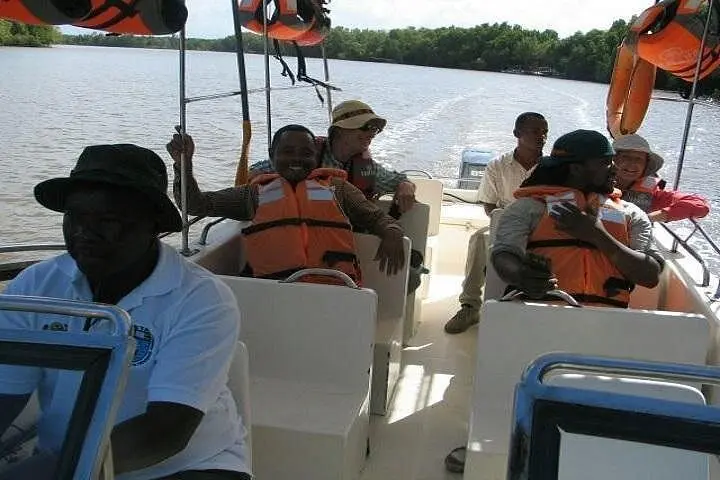
The second day pivots east to Saadani National Park—a rare place where savanna meets mangrove and the Wami River dares you to watch hippos from its banks. Saadani’s coastline and riverine plains were part of a community-led conservation shift in the late 20th century that balanced village land rights with wildlife protection.
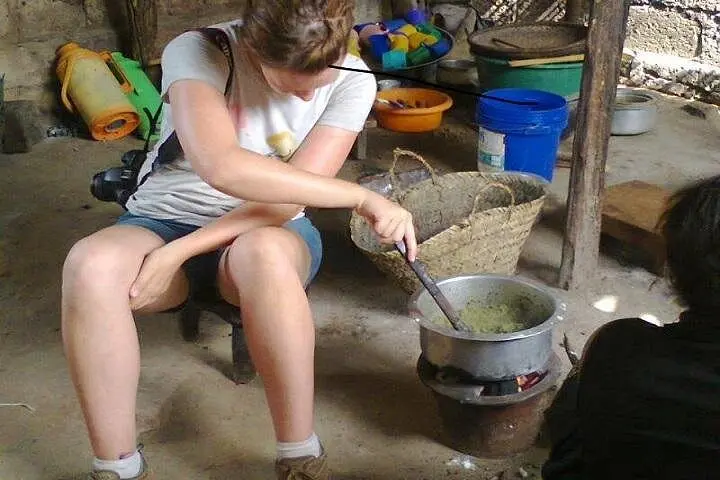
On the final day Amboni Caves returns you to limestone underworlds carved by coastal geology: stalactites and stalagmites form curious figures and a sulfur spring nearby recalls the region’s volcanic past. Throughout the tour local guides connect natural history to Swahili coastal culture and colonial-era trade routes that shaped Tanga.
Practical guidance: expect dusty drives between sites, uneven walking surfaces at waterfalls and caves, and short hikes on packed trails—bring sturdy footwear, sun protection and a refillable water bottle. Plan mornings for wildlife watching, and late afternoons for cooler forest walks. Most accommodations are simple lodges or bandas; pack layers for cool nights in the mountains and insect repellent for river edges. With three days you trade city heat for a compact cross-section of coastal Tanzania’s landscapes and wildlife.
Daily activities include short hikes (30–90 minutes) and walking through caves; most sections are low-technical but uneven underfoot.
Children may join but should be supervised at riverbanks, beaches and inside caves; operators usually require an adult with minors.
Simple rest houses, bandas and small lodges—basic comforts, local meals, and shared facilities at some camp sites.
Consult your healthcare provider—coastal and riverine areas can pose malaria risk, so preventive measures are commonly recommended.
Livan Cultural Tourism Enterprise-Tanzania operates guided outdoor trips and adventures with an emphasis on safety, stewardship, and memorable experiences.

You arrive into Tanga on a humid morning; the Indian Ocean glints at the edge of town and the road climbs toward the green shoulders of the East Usambara Mountains.
You arrive into Tanga on a humid morning; the Indian Ocean glints at the edge of town and the road climbs toward the green shoulders of the East Usambara Mountains.
On day one the trip pulls you inland to Amani Nature Reserve, where cloud-touched slopes hold a mosaic of tea terraces, a small botanical garden and short waterfall trails. The reserve’s ancient soils and shaded gullies are alive with endemic birds and amphibians that seem to choreograph the forest’s hush.
The second day pivots east to Saadani National Park—a rare place where savanna meets mangrove and the Wami River dares you to watch hippos from its banks. Saadani’s coastline and riverine plains were part of a community-led conservation shift in the late 20th century that balanced village land rights with wildlife protection.
On the final day Amboni Caves returns you to limestone underworlds carved by coastal geology: stalactites and stalagmites form curious figures and a sulfur spring nearby recalls the region’s volcanic past. Throughout the tour local guides connect natural history to Swahili coastal culture and colonial-era trade routes that shaped Tanga.
Practical guidance: expect dusty drives between sites, uneven walking surfaces at waterfalls and caves, and short hikes on packed trails—bring sturdy footwear, sun protection and a refillable water bottle. Plan mornings for wildlife watching, and late afternoons for cooler forest walks. Most accommodations are simple lodges or bandas; pack layers for cool nights in the mountains and insect repellent for river edges. With three days you trade city heat for a compact cross-section of coastal Tanzania’s landscapes and wildlife.