THE ADVENTURE COLLECTIVE® · Independent discovery and booking for outdoor travel

Three days of highland trekking through Ha Giang’s maze of passes, village paths and karst ridges. Expect multi-day walks (8–17 km per day), homestays with local Dao families, and dramatic overlooks at Ma Pi Leng.
Three days of highland trekking through Ha Giang’s maze of passes, village paths and karst ridges. Expect multi-day walks (8–17 km per day), homestays with local Dao families, and dramatic overlooks at Ma Pi Leng.
Wind strips along the ridgelines as you set off from Lung Vai, the rice terraces and limestone outcrops unfolding like chapters of a living map. On day one you walk 15–17 km over rolling dirt tracks and narrow village paths, pausing for a picnic in Khuoi My and an evening homestay with a Dao family.
Verified experiences and guided adventures in the surrounding area.
Operated by Mr Linh's Adventures · Ha Giang, Ha Giang Province
Wind strips along the ridgelines as you set off from Lung Vai, the rice terraces and limestone outcrops unfolding like chapters of a living map. On day one you walk 15–17 km over rolling dirt tracks and narrow village paths, pausing for a picnic in Khuoi My and an evening homestay with a Dao family.
Ha Giang province is Vietnam’s northernmost highland, carved by karst cliffs, river valleys and long winding passes. Geologically the region is dominated by limestone and shale that have eroded into sharp ridges and sheer escarpments; culturally it’s home to H’mong, Lo Lo, Giay and Dao communities whose stilt houses and terraced fields line the trails. Sites like Pu Lo Fortress and the H’mong King’s Palace provide glimpses of colonial and ethnic history.
Expect uneven terrain, occasional scree and sustained climbs — some days put in 8–17 km with cumulative elevation changes of several hundred meters. Ma Pi Leng and the descent into Meo Vac deliver the kind of panoramic exposure that rewards steady footing and an early start.
Practical notes: carry 2–3 L water, waterproof layers, and comfortable boots with ankle support. Daily walks range from short village strolls to full-day treks; plan light, pack snacks, and respect homestay customs. Guides handle permits and transport, but be ready for basic accommodations and limited cell service — the remoteness is part of the appeal.
Moderate fitness is sufficient — you should be comfortable hiking several hours with elevation changes; itineraries include full‑day walks up to 17 km.
Two nights are shared between local homestays and a hotel in Dong Van; expect simple facilities and communal meals in homestays.
The tour operator handles local travel permits and immigration office visits included in the itinerary.
Cell service is intermittent in valleys and on passes; some homestays have limited electricity — carry power banks for phones and cameras.
Mr Linh's Adventures operates guided outdoor trips and adventures with an emphasis on safety, stewardship, and memorable experiences.
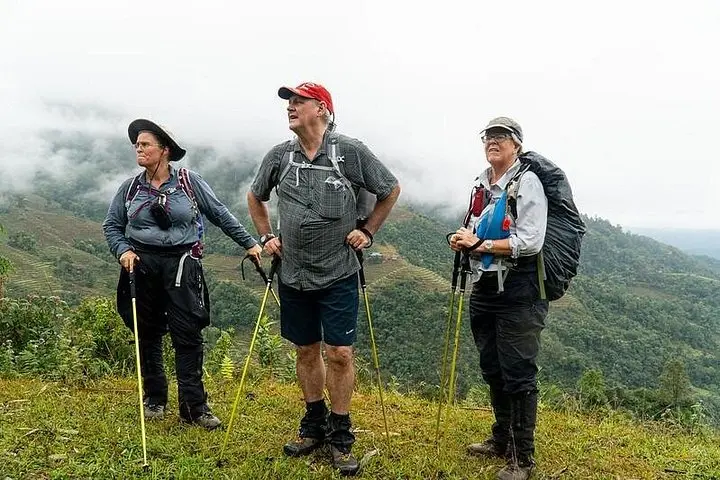
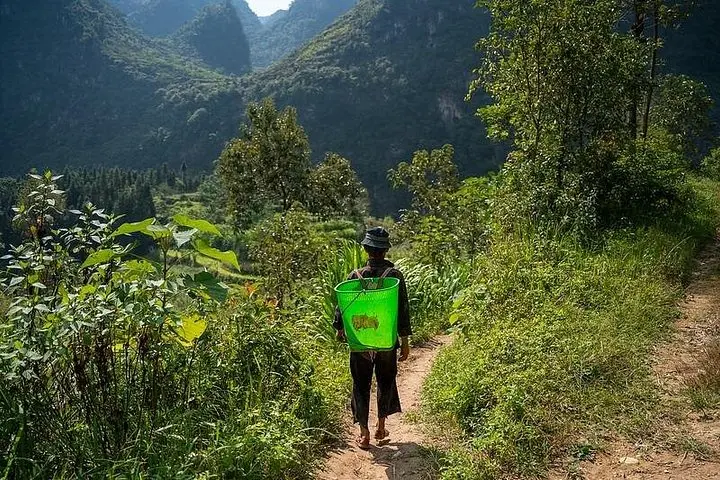
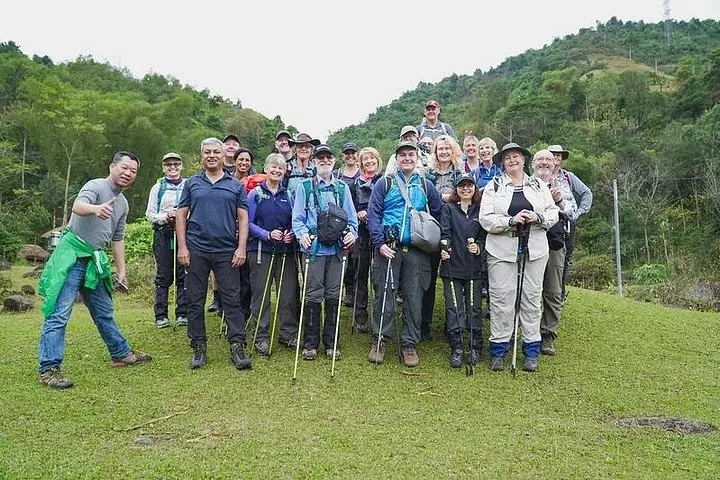
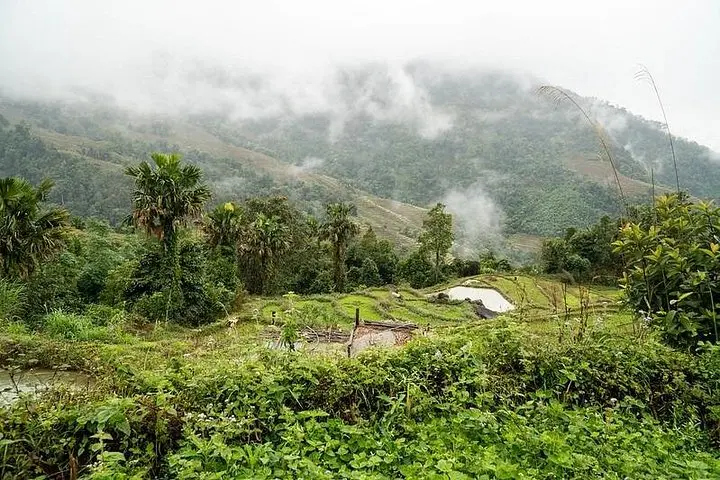
Wind strips along the ridgelines as you set off from Lung Vai, the rice terraces and limestone outcrops unfolding like chapters of a living map. On day one you walk 15–17 km over rolling dirt tracks and narrow village paths, pausing for a picnic in Khuoi My and an evening homestay with a Dao family.
Wind strips along the ridgelines as you set off from Lung Vai, the rice terraces and limestone outcrops unfolding like chapters of a living map. On day one you walk 15–17 km over rolling dirt tracks and narrow village paths, pausing for a picnic in Khuoi My and an evening homestay with a Dao family.
Ha Giang province is Vietnam’s northernmost highland, carved by karst cliffs, river valleys and long winding passes. Geologically the region is dominated by limestone and shale that have eroded into sharp ridges and sheer escarpments; culturally it’s home to H’mong, Lo Lo, Giay and Dao communities whose stilt houses and terraced fields line the trails. Sites like Pu Lo Fortress and the H’mong King’s Palace provide glimpses of colonial and ethnic history.
Expect uneven terrain, occasional scree and sustained climbs — some days put in 8–17 km with cumulative elevation changes of several hundred meters. Ma Pi Leng and the descent into Meo Vac deliver the kind of panoramic exposure that rewards steady footing and an early start.
Practical notes: carry 2–3 L water, waterproof layers, and comfortable boots with ankle support. Daily walks range from short village strolls to full-day treks; plan light, pack snacks, and respect homestay customs. Guides handle permits and transport, but be ready for basic accommodations and limited cell service — the remoteness is part of the appeal.