THE ADVENTURE COLLECTIVE® · Independent discovery and booking for outdoor travel

Spend three days on Terceira hiking volcanic fields, coastal cliffs and cedar forests, with visits to lava tubes, miradouros and the vineyard-bordered pools of Biscoitos. This active itinerary pairs geology and local culture with moderate, well-marked trails.
Spend three days on Terceira hiking volcanic fields, coastal cliffs and cedar forests, with visits to lava tubes, miradouros and the vineyard-bordered pools of Biscoitos. This active itinerary pairs geology and local culture with moderate, well-marked trails.
You step off the minivan onto basalt blackened by past eruptions; the sea is a flat sheet to your right, cliffs breathing steam to your left. Over three days on Terceira you move from lunar lava fields into cedar forests, along coastal terraces scalloped by surf, and through villages that still farm vines on volcanic rock.
Verified experiences and guided adventures in the surrounding area.
Operated by TuriAzores - Animação Turística · Angra do Heroísmo, Azores
You step off the minivan onto basalt blackened by past eruptions; the sea is a flat sheet to your right, cliffs breathing steam to your left. Over three days on Terceira you move from lunar lava fields into cedar forests, along coastal terraces scalloped by surf, and through villages that still farm vines on volcanic rock.
Geology here is immediate—young volcanic cones, lava tubes and empty calderas that show how the island was stitched by eruptions and erosion. History hangs in the towns: Angra do Heroísmo’s port once guided ships across Atlantic trade routes, while rural parishes keep viniculture methods adapted to rock soil. Local guides link these threads, explaining how fumaroles, natural pools and agricultural terraces formed and how they shape island life today.
Expect three daily hikes: a 5 km volcanic-cairn circuit (2–3 hours) through Mistérios Negros, a 4.5 km coastal loop rising to ~100 m, and a 9 km forest-to-caldera route gaining ~235 m—each trail mixes rough basalt, packed earth and uneven steps. You’ll visit lava tunnels, an emptied volcanic cone, miradouros and Biscoitos’ tidal pools and vineyards; swims are possible seasonally.
Practical guidance: wear sturdy hiking shoes with good grip, layer for wind and sudden drizzle, and carry 1–2 liters of water per hike. Trails can be exposed—start earlier to avoid the strongest sun and to catch the clearest views. Note: Algar do Carvão’s interpretation center is closed for works through summer 2026, though the monument may still be subject to restricted access.
As of the latest update, Algar do Carvão’s interpretation center is closed for works through summer 2026; check with your operator for current access to the monument before traveling.
Visits to natural pools at Biscoitos and some inland swimming spots are part of the itinerary; swims depend on sea conditions—follow your guide’s advice and wear reef shoes for volcanic rock.
Moderate fitness is needed: expect consecutive days of 2–4 hour hikes with uneven ground and up to ~235 m elevation gain on the longest day.
Yes—local transfers between sites are included along with three lunches and a local guide; confirm any dietary needs when booking.
TuriAzores - Animação Turística operates guided outdoor trips and adventures with an emphasis on safety, stewardship, and memorable experiences.
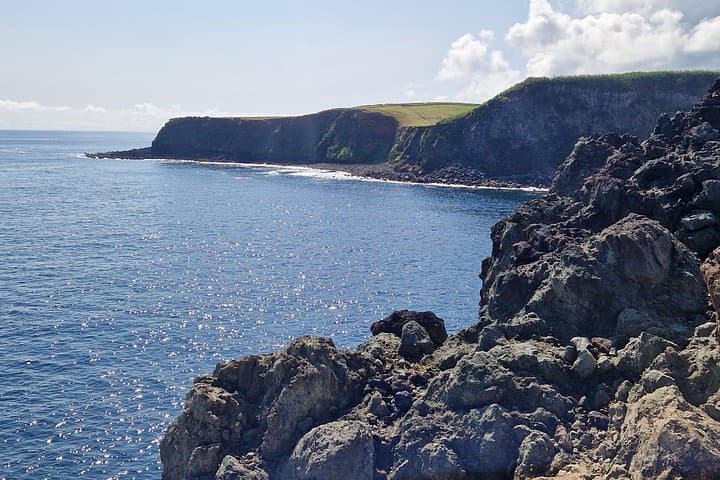

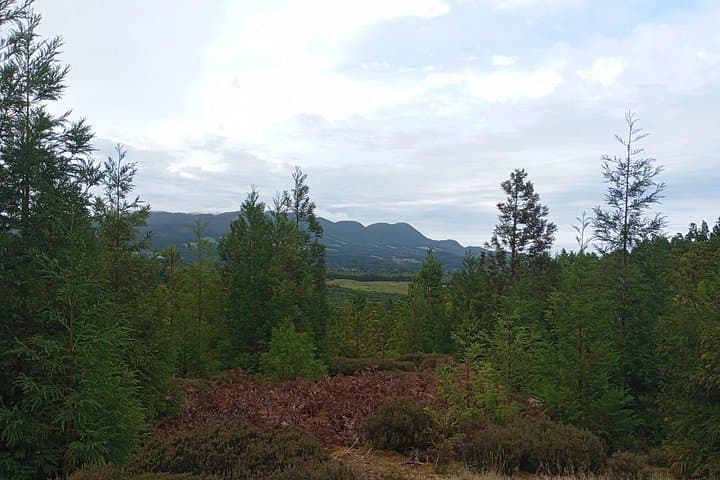

You step off the minivan onto basalt blackened by past eruptions; the sea is a flat sheet to your right, cliffs breathing steam to your left. Over three days on Terceira you move from lunar lava fields into cedar forests, along coastal terraces scalloped by surf, and through villages that still farm vines on volcanic rock.
You step off the minivan onto basalt blackened by past eruptions; the sea is a flat sheet to your right, cliffs breathing steam to your left. Over three days on Terceira you move from lunar lava fields into cedar forests, along coastal terraces scalloped by surf, and through villages that still farm vines on volcanic rock.
Geology here is immediate—young volcanic cones, lava tubes and empty calderas that show how the island was stitched by eruptions and erosion. History hangs in the towns: Angra do Heroísmo’s port once guided ships across Atlantic trade routes, while rural parishes keep viniculture methods adapted to rock soil. Local guides link these threads, explaining how fumaroles, natural pools and agricultural terraces formed and how they shape island life today.
Expect three daily hikes: a 5 km volcanic-cairn circuit (2–3 hours) through Mistérios Negros, a 4.5 km coastal loop rising to ~100 m, and a 9 km forest-to-caldera route gaining ~235 m—each trail mixes rough basalt, packed earth and uneven steps. You’ll visit lava tunnels, an emptied volcanic cone, miradouros and Biscoitos’ tidal pools and vineyards; swims are possible seasonally.
Practical guidance: wear sturdy hiking shoes with good grip, layer for wind and sudden drizzle, and carry 1–2 liters of water per hike. Trails can be exposed—start earlier to avoid the strongest sun and to catch the clearest views. Note: Algar do Carvão’s interpretation center is closed for works through summer 2026, though the monument may still be subject to restricted access.