THE ADVENTURE COLLECTIVE® · Independent discovery and booking for outdoor travel

A compact, private three-day circuit that stitches Vancouver, Victoria and Whistler into one seamless West Coast experience—ferry crossings, towering waterfalls on the Sea-to-Sky Highway, and city viewpoints like Capilano and Grouse Mountain. Ideal for travelers who want iconic sites without the shuttle logistics.
A compact, private three-day circuit that stitches Vancouver, Victoria and Whistler into one seamless West Coast experience—ferry crossings, towering waterfalls on the Sea-to-Sky Highway, and city viewpoints like Capilano and Grouse Mountain. Ideal for travelers who want iconic sites without the shuttle logistics.
On the first morning you step onto the ferry at Tsawwassen, the city lost behind you and the Salish Sea opening like a cool, moving plain. Salt spray beheads the skyline for a while; gulls wheel and the ferry’s wake cuts a bright path toward Swartz Bay. That crossing is part of the choreography of this private three-day loop—water, mountain road, and city stitched together so travelers can experience British Columbia’s contrasts without the logistics.
Verified experiences and guided adventures in the surrounding area.
Operated by Globalduniya · Vancouver, British Columbia
On the first morning you step onto the ferry at Tsawwassen, the city lost behind you and the Salish Sea opening like a cool, moving plain. Salt spray beheads the skyline for a while; gulls wheel and the ferry’s wake cuts a bright path toward Swartz Bay. That crossing is part of the choreography of this private three-day loop—water, mountain road, and city stitched together so travelers can experience British Columbia’s contrasts without the logistics.
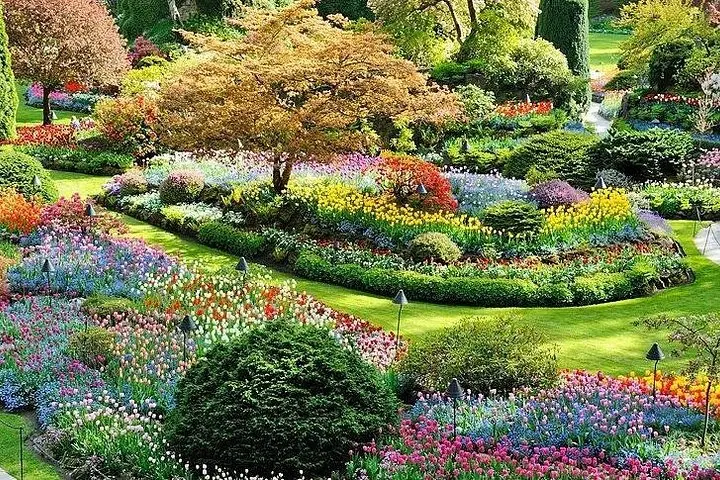
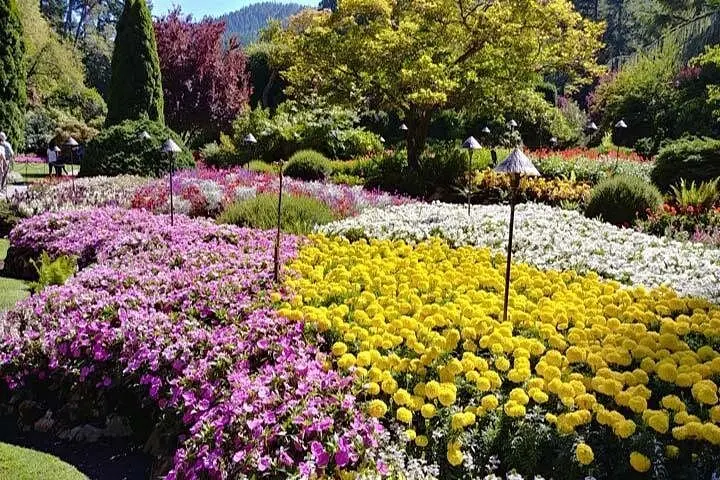
Day one unfolds in Victoria: the manicured geometry of Butchart Gardens (22 hectares of formal beds and a Sunken Garden) gives way to the low-slung civic dignity of the Parliament Buildings and the layered history of Canada’s oldest Chinatown. The island’s British and Indigenous histories surface in architecture and place names, and a short walk around the Inner Harbour makes clear why Victoria has long been a maritime hub.
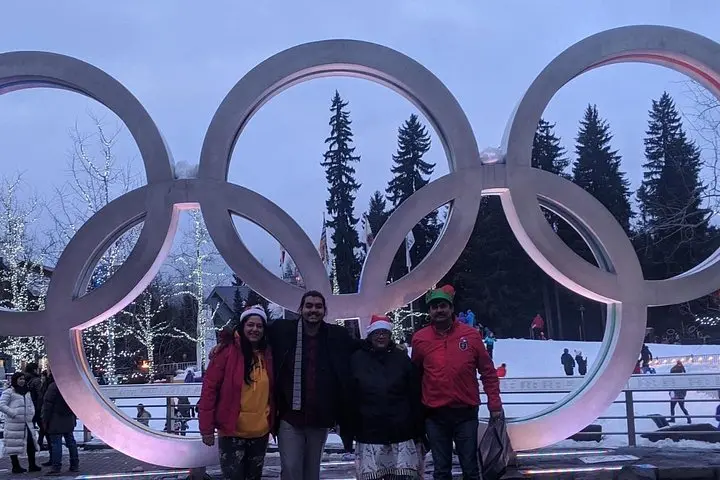
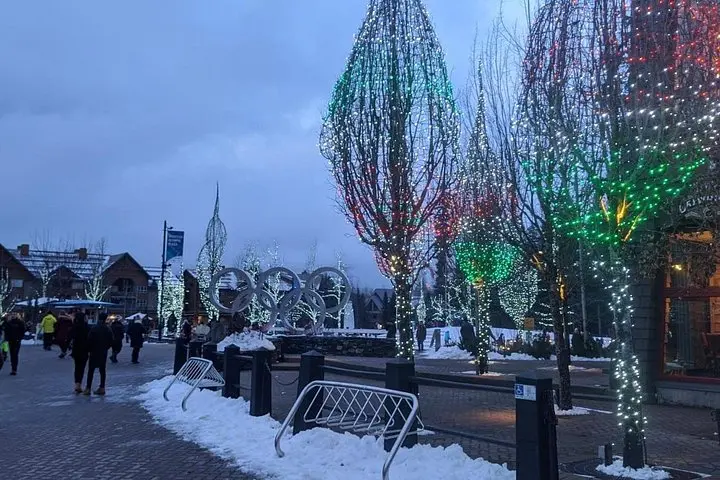
Day two follows the Sea-to-Sky Highway—75 miles (about 121 km) of road that climbs and opens, with Shannon Falls cascading 335 metres near Squamish and viewpoints that lay Howe Sound like a fjord-etched map beneath the road. The route ends in Whistler, a compact mountain town framed by alpine peaks and old-growth forests; here the recreational calendar shifts dramatically with the seasons.
Day three returns you to the urban edge of Vancouver: Stanley Park’s seawall, the dizzying Capilano Suspension Bridge and Grouse Mountain, which rises 1,250 metres above the city. These attractions illustrate how quickly the West Coast moves from urban to wild—forest canopies lean down over rivers while ferries and floatplanes thread the shoreline.
Practical edge: this is a private, vehicle-led tour that packs long transit stretches with short, curated stops—expect several 30–120 minute visits interspersed with driving legs. The ferry crossing takes roughly 90–105 minutes; factor that into your day and keep light layers handy for marine wind. Walking is generally easy—urban promenades, boardwalks at waterfalls and short viewpoints. Grouse Mountain and some rainforest boardwalks involve steeper sections and stairs.
Local nuance: timing matters—arrive at Capilano early to avoid the biggest crowds; sunset from the Grouse summit gives dramatic westward views. Respect local salmon runs and seasonal wildlife closures; the tour operator includes most admissions, but confirm particulars at booking. Bring a charged phone and small tripod for low-light harbour shots, and plan to move deliberately—the region rewards being patient and present.
Private transportation and most listed admissions (Butchart Gardens, Capilano Suspension Bridge, Grouse Mountain) are included—confirm at booking for any optional add-ons.
The Tsawwassen–Swartz Bay ferry crossing typically takes about 90–105 minutes; travel time can vary with schedule and vessel type.
Yes—operators accept special requirements if provided at booking; notify them 24–48 hours before departure for meal adjustments.
Yes—it's family-friendly; infants must sit on an adult’s lap and many stops are stroller-accessible though some boardwalks have steps.
If you are traveling from within Canada, a passport is not required; international travelers should carry appropriate travel documents—check with your carrier and borders agency.
Many urban stops and some park boardwalks are accessible, but features like the Suspension Bridge and certain mountain paths include stairs and uneven surfaces—discuss needs with the operator beforehand.
Globalduniya operates guided outdoor trips and adventures with an emphasis on safety, stewardship, and memorable experiences.
On the first morning you step onto the ferry at Tsawwassen, the city lost behind you and the Salish Sea opening like a cool, moving plain. Salt spray beheads the skyline for a while; gulls wheel and the ferry’s wake cuts a bright path toward Swartz Bay. That crossing is part of the choreography of this private three-day loop—water, mountain road, and city stitched together so travelers can experience British Columbia’s contrasts without the logistics.
On the first morning you step onto the ferry at Tsawwassen, the city lost behind you and the Salish Sea opening like a cool, moving plain. Salt spray beheads the skyline for a while; gulls wheel and the ferry’s wake cuts a bright path toward Swartz Bay. That crossing is part of the choreography of this private three-day loop—water, mountain road, and city stitched together so travelers can experience British Columbia’s contrasts without the logistics.
Day one unfolds in Victoria: the manicured geometry of Butchart Gardens (22 hectares of formal beds and a Sunken Garden) gives way to the low-slung civic dignity of the Parliament Buildings and the layered history of Canada’s oldest Chinatown. The island’s British and Indigenous histories surface in architecture and place names, and a short walk around the Inner Harbour makes clear why Victoria has long been a maritime hub.
Day two follows the Sea-to-Sky Highway—75 miles (about 121 km) of road that climbs and opens, with Shannon Falls cascading 335 metres near Squamish and viewpoints that lay Howe Sound like a fjord-etched map beneath the road. The route ends in Whistler, a compact mountain town framed by alpine peaks and old-growth forests; here the recreational calendar shifts dramatically with the seasons.
Day three returns you to the urban edge of Vancouver: Stanley Park’s seawall, the dizzying Capilano Suspension Bridge and Grouse Mountain, which rises 1,250 metres above the city. These attractions illustrate how quickly the West Coast moves from urban to wild—forest canopies lean down over rivers while ferries and floatplanes thread the shoreline.
Practical edge: this is a private, vehicle-led tour that packs long transit stretches with short, curated stops—expect several 30–120 minute visits interspersed with driving legs. The ferry crossing takes roughly 90–105 minutes; factor that into your day and keep light layers handy for marine wind. Walking is generally easy—urban promenades, boardwalks at waterfalls and short viewpoints. Grouse Mountain and some rainforest boardwalks involve steeper sections and stairs.
Local nuance: timing matters—arrive at Capilano early to avoid the biggest crowds; sunset from the Grouse summit gives dramatic westward views. Respect local salmon runs and seasonal wildlife closures; the tour operator includes most admissions, but confirm particulars at booking. Bring a charged phone and small tripod for low-light harbour shots, and plan to move deliberately—the region rewards being patient and present.