THE ADVENTURE COLLECTIVE® · Independent discovery and booking for outdoor travel

See Zanzibar’s essentials in three days: UNESCO-listed Stone Town, tortoises on Prison Island, spice farms, Jozani forest and a Blue Safari sandbank picnic. This compact itinerary balances history, wildlife and snorkeling with practical tips for getting the most from each stop.
See Zanzibar’s essentials in three days: UNESCO-listed Stone Town, tortoises on Prison Island, spice farms, Jozani forest and a Blue Safari sandbank picnic. This compact itinerary balances history, wildlife and snorkeling with practical tips for getting the most from each stop.
The first morning in Stone Town begins with sun already warming the carved wooden doors and the Indian Ocean tugging at the harbor. Travelers step off the meeting point by the Old Fort into lanes threaded with spice sellers, fishermen and the muted call to prayer; the town moves like a living map of trade routes.
Verified experiences and guided adventures in the surrounding area.
Operated by Zanzibar Local Experience · Stone Town, Zanzibar
The first morning in Stone Town begins with sun already warming the carved wooden doors and the Indian Ocean tugging at the harbor. Travelers step off the meeting point by the Old Fort into lanes threaded with spice sellers, fishermen and the muted call to prayer; the town moves like a living map of trade routes.
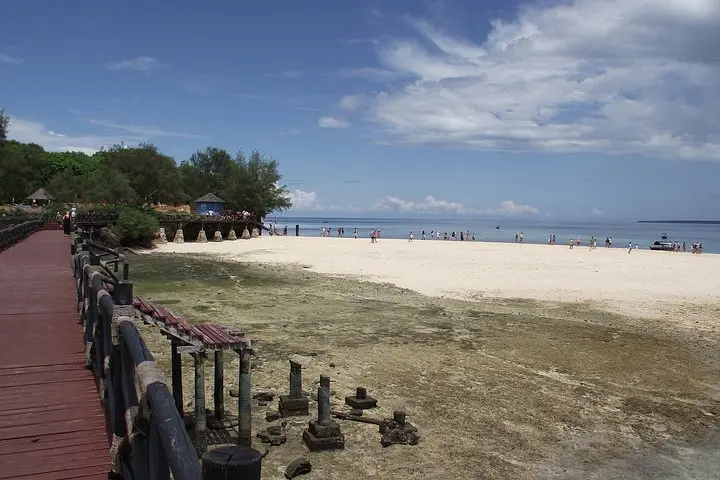
Over three days the program threads history, forest and sea. Stone Town’s 19th-century coral-stone buildings and the House of Wonders recall Omani, Persian and European influences and the island’s central role in the clove trade and the East African slave route. Offshore, Prison Island’s century-old tortoises and shallow reefs speak to human use of islands for quarantine and later conservation. Inland, Jozani’s freshwater forest cradles the endemic Zanzibar red colobus; its boardwalks cross mangrove roots where tidal currents shape the shore.
Practical guidance is straightforward: plan for heat, sunscreen and a mix of soft-soled shoes for cobbles and reef-safe swimwear for snorkeling. Expect short boat transfers (20–40 minutes), gentle forest trails and guided village visits where cultural protocols apply—ask before photographing people. The Blue Safari’s sandbank picnic depends on tides and wind; mornings often give calmer seas and better snorkeling visibility.
Logistics are inclusive: bottled water, lunch and snorkeling gear are usually supplied, and mobility access is often possible around Stone Town and by boat. Bring cash for market purchases, a lightweight daypack, and patience—the island’s pace rewards slow exploration.
June to October and January to February are drier with calmer seas for snorkeling; November brings short rains and March–May is the long rainy season with rougher waters.
Most operators include bottled water, lunches and basic snorkeling gear, but confirm in advance if you need mask or fins in a particular size.
Parts of Stone Town and some transport options are wheelchair accessible, but boats, sandbanks and some narrow streets may limit access—check specifics with the operator before booking.
Check routine vaccinations and yellow fever requirements for travel to Tanzania; bring your passport and any necessary visas, and consult a healthcare provider for current advice.
Zanzibar Local Experience operates guided outdoor trips and adventures with an emphasis on safety, stewardship, and memorable experiences.

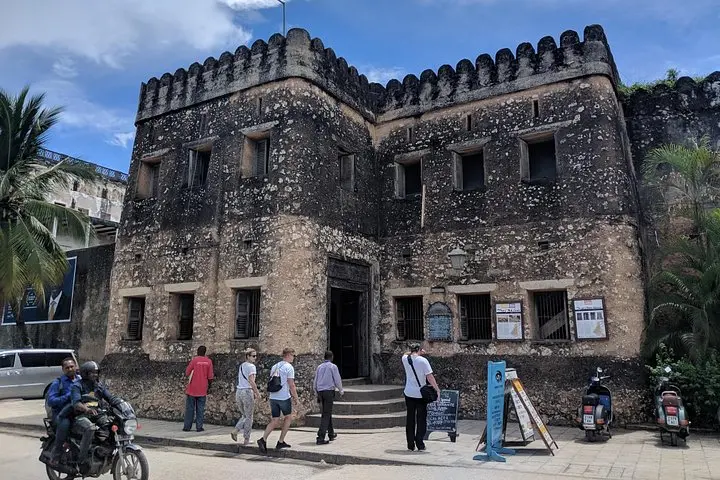

The first morning in Stone Town begins with sun already warming the carved wooden doors and the Indian Ocean tugging at the harbor. Travelers step off the meeting point by the Old Fort into lanes threaded with spice sellers, fishermen and the muted call to prayer; the town moves like a living map of trade routes.
The first morning in Stone Town begins with sun already warming the carved wooden doors and the Indian Ocean tugging at the harbor. Travelers step off the meeting point by the Old Fort into lanes threaded with spice sellers, fishermen and the muted call to prayer; the town moves like a living map of trade routes.
Over three days the program threads history, forest and sea. Stone Town’s 19th-century coral-stone buildings and the House of Wonders recall Omani, Persian and European influences and the island’s central role in the clove trade and the East African slave route. Offshore, Prison Island’s century-old tortoises and shallow reefs speak to human use of islands for quarantine and later conservation. Inland, Jozani’s freshwater forest cradles the endemic Zanzibar red colobus; its boardwalks cross mangrove roots where tidal currents shape the shore.
Practical guidance is straightforward: plan for heat, sunscreen and a mix of soft-soled shoes for cobbles and reef-safe swimwear for snorkeling. Expect short boat transfers (20–40 minutes), gentle forest trails and guided village visits where cultural protocols apply—ask before photographing people. The Blue Safari’s sandbank picnic depends on tides and wind; mornings often give calmer seas and better snorkeling visibility.
Logistics are inclusive: bottled water, lunch and snorkeling gear are usually supplied, and mobility access is often possible around Stone Town and by boat. Bring cash for market purchases, a lightweight daypack, and patience—the island’s pace rewards slow exploration.