THE ADVENTURE COLLECTIVE® · Independent discovery and booking for outdoor travel

Three days across Cappadocia compress centuries of geology and human ingenuity into a compact loop: open-air rock churches, multi-level underground cities and a riverside walk through Ihlara Canyon. This small-group tour moves deliberately—enough time at each site to feel grounded and to photograph the places that make the region unforgettable.
Three days across Cappadocia compress centuries of geology and human ingenuity into a compact loop: open-air rock churches, multi-level underground cities and a riverside walk through Ihlara Canyon. This small-group tour moves deliberately—enough time at each site to feel grounded and to photograph the places that make the region unforgettable.
You arrive before dawn to a sky threaded with slow-moving balloons, the cold air of Anatolia biting at your cheeks as the landscape unfurls like a carving—mushroom-shaped rock towers, honeycombed cliffs and the low-lying villages that have learned to live inside stone. For three days, Cappadocia moves around you: valleys that whisper wind through soft tuff, ancient stairways cut into rock, and an underground world that once sheltered entire communities.
Verified experiences and guided adventures in the surrounding area.
Operated by Delil Travel · Göreme, Nevşehir
You arrive before dawn to a sky threaded with slow-moving balloons, the cold air of Anatolia biting at your cheeks as the landscape unfurls like a carving—mushroom-shaped rock towers, honeycombed cliffs and the low-lying villages that have learned to live inside stone. For three days, Cappadocia moves around you: valleys that whisper wind through soft tuff, ancient stairways cut into rock, and an underground world that once sheltered entire communities.
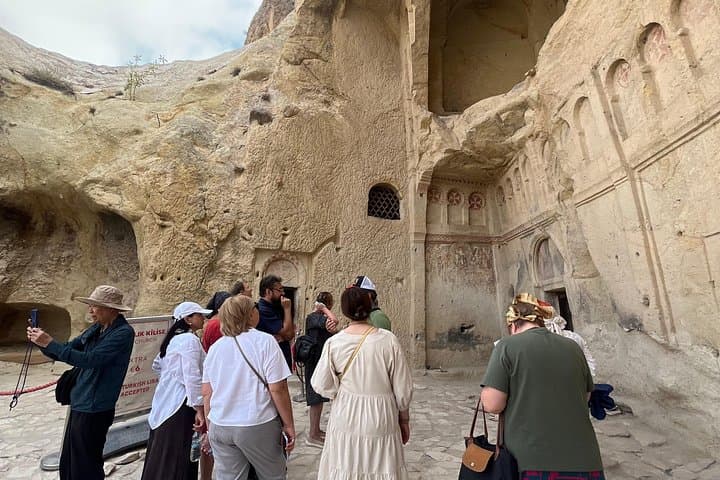
The region’s story is written in volcanic ash hardened over millions of years, then sculpted by wind and rain into the fairy chimneys that define the skyline. Hittite and later Roman and Byzantine peoples left their fingerprints here—Avanos still throws pottery the way artisans did in the second millennium BCE, while the frescoed churches of Göreme Open Air Museum recall a time when monastic life hid in plain sight within the cliffs.
Culture is tactile: sip apple tea in a cave house whose interior stays close to 12°C year-round, watch a potter’s kick wheel spin in Avanos, and listen to a guide point out the pigeon houses that dot valley walls—small structures designed to harvest fertilizer, not just to house birds. Geology, history and craft intersect on trails that traverse canyons, terraces and small villages.
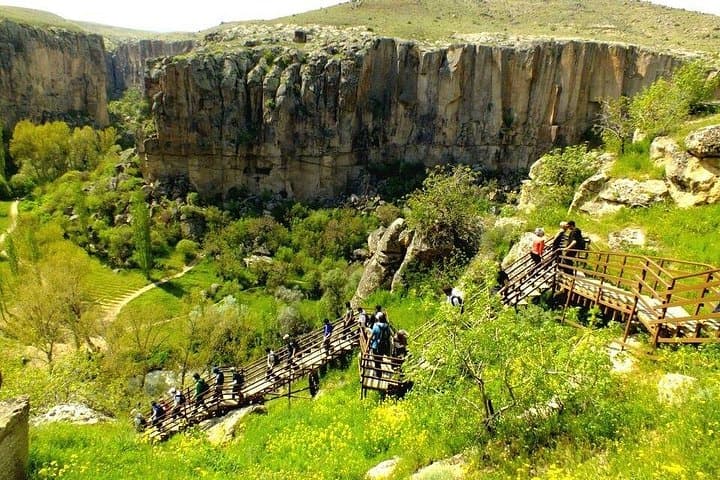
By midday you’ll hike a few kilometers through Rose and Red Valleys—soft volcanic stone underfoot that can be sandy and uneven—and stand at viewpoints with panoramic lines of chimneys and sunset color. Day two drops you into subterranean ingenuity: Kaymakli or Derinkuyu’s carved tunnels, ventilation shafts and communal rooms remind you that this landscape has always demanded clever solutions to climate and threat. The final day in Ihlara cuts a 150-meter-deep canyon where a riverside walk through 3 km of frescoed chapels feels simultaneously wild and intimate.
Practical edge: expect high plateau altitude (roughly 1,200–1,300 m), temperature swings between sun and shade, and plenty of uneven stone steps. Comfortable walking shoes, a daypack with water and layers, and a headlamp or jacket for cool cave interiors will make the three days feel seamless. Typical days include guided walking of 2–4 hours with frequent photo stops, site entries (Göreme Museum, underground city and Ihlara churches), and two lunches provided. Transfers are usually included and pickup from Göreme or Kayseri/Nevşehir airports is offered; tip local guides if service is good.
Timing matters: sunrise balloon scenes and late-afternoon light on chimneys are peak photography windows. Respect fragile rock surfaces and carved frescoes—stay on marked routes and support local cave-hotels and craftsmen to help keep Cappadocia’s soft stone heritage alive.
Yes—routes include short walks and many stops; physical demand is moderate, and the tour notes indicate suitability for a wide range of fitness levels, but participants should be comfortable on uneven ground.
The itinerary shows Göreme Open Air Museum and underground city visits; confirm with the operator whether all entrance fees are covered—some tours include them, others require on-site payment.
Spring and fall offer mild temperatures and clearer skies; summers are hot and winter can be snowy—each season has a different photographic character.
Yes—vegetarian options are stated available, but you should advise the operator at booking for specific allergies or dietary needs.
No—hot air balloon flights are typically booked separately from this tour; operators can often help arrange flights for an additional fee.
Tipping isn’t mandatory but is appreciated: a modest tip to the guide and driver at the end of the tour is customary if service was good.
Delil Travel operates guided outdoor trips and adventures with an emphasis on safety, stewardship, and memorable experiences.
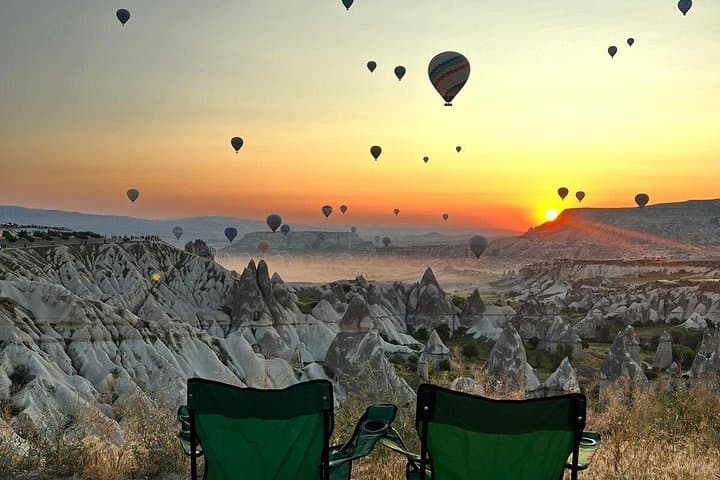

You arrive before dawn to a sky threaded with slow-moving balloons, the cold air of Anatolia biting at your cheeks as the landscape unfurls like a carving—mushroom-shaped rock towers, honeycombed cliffs and the low-lying villages that have learned to live inside stone. For three days, Cappadocia moves around you: valleys that whisper wind through soft tuff, ancient stairways cut into rock, and an underground world that once sheltered entire communities.
You arrive before dawn to a sky threaded with slow-moving balloons, the cold air of Anatolia biting at your cheeks as the landscape unfurls like a carving—mushroom-shaped rock towers, honeycombed cliffs and the low-lying villages that have learned to live inside stone. For three days, Cappadocia moves around you: valleys that whisper wind through soft tuff, ancient stairways cut into rock, and an underground world that once sheltered entire communities.
The region’s story is written in volcanic ash hardened over millions of years, then sculpted by wind and rain into the fairy chimneys that define the skyline. Hittite and later Roman and Byzantine peoples left their fingerprints here—Avanos still throws pottery the way artisans did in the second millennium BCE, while the frescoed churches of Göreme Open Air Museum recall a time when monastic life hid in plain sight within the cliffs.
Culture is tactile: sip apple tea in a cave house whose interior stays close to 12°C year-round, watch a potter’s kick wheel spin in Avanos, and listen to a guide point out the pigeon houses that dot valley walls—small structures designed to harvest fertilizer, not just to house birds. Geology, history and craft intersect on trails that traverse canyons, terraces and small villages.
By midday you’ll hike a few kilometers through Rose and Red Valleys—soft volcanic stone underfoot that can be sandy and uneven—and stand at viewpoints with panoramic lines of chimneys and sunset color. Day two drops you into subterranean ingenuity: Kaymakli or Derinkuyu’s carved tunnels, ventilation shafts and communal rooms remind you that this landscape has always demanded clever solutions to climate and threat. The final day in Ihlara cuts a 150-meter-deep canyon where a riverside walk through 3 km of frescoed chapels feels simultaneously wild and intimate.
Practical edge: expect high plateau altitude (roughly 1,200–1,300 m), temperature swings between sun and shade, and plenty of uneven stone steps. Comfortable walking shoes, a daypack with water and layers, and a headlamp or jacket for cool cave interiors will make the three days feel seamless. Typical days include guided walking of 2–4 hours with frequent photo stops, site entries (Göreme Museum, underground city and Ihlara churches), and two lunches provided. Transfers are usually included and pickup from Göreme or Kayseri/Nevşehir airports is offered; tip local guides if service is good.
Timing matters: sunrise balloon scenes and late-afternoon light on chimneys are peak photography windows. Respect fragile rock surfaces and carved frescoes—stay on marked routes and support local cave-hotels and craftsmen to help keep Cappadocia’s soft stone heritage alive.