THE ADVENTURE COLLECTIVE® · Independent discovery and booking for outdoor travel
A three-day circuit through the Calanques takes you from Sugiton to d’En-Vau via Sormiou—steep limestone trails, turquoise coves and Provençal flavor. Expect exposed ridges, short scrambling sections and remote beaches reserved for those who earn them on foot.
A three-day circuit through the Calanques takes you from Sugiton to d’En-Vau via Sormiou—steep limestone trails, turquoise coves and Provençal flavor. Expect exposed ridges, short scrambling sections and remote beaches reserved for those who earn them on foot.
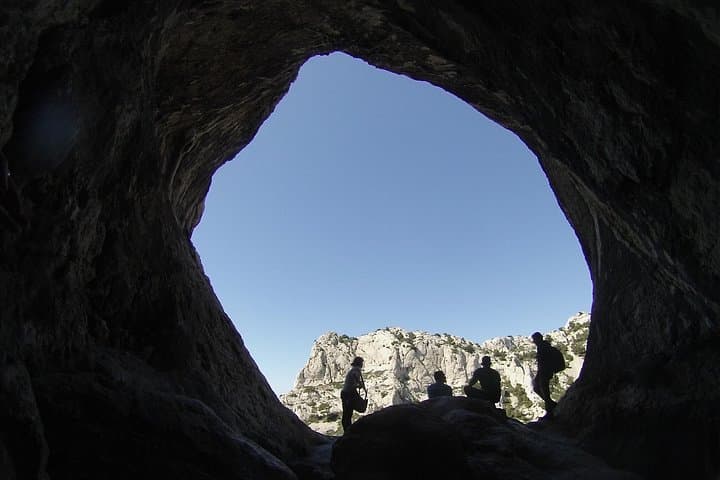
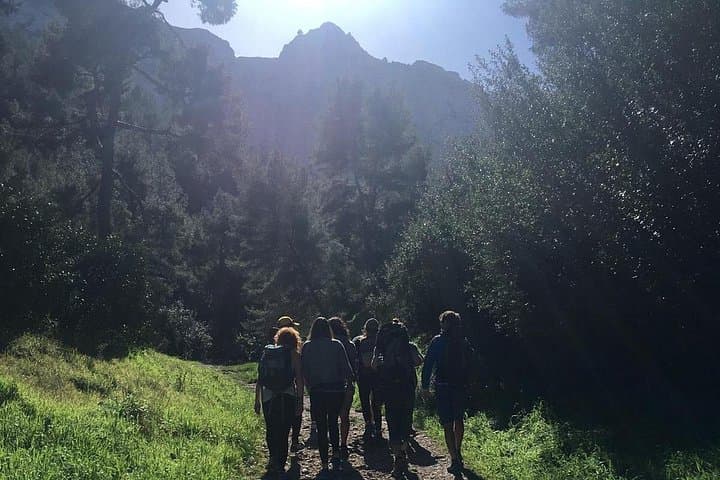
You step off the minivan and the sea announces itself first: wind on limestone, the distant slap of surf in hidden coves and sunlight bright enough to make turquoise water look imagined. Over three days you move between sharp ridgelines and sheltered inlets—Sugiton’s crest, the steep approach to Sormiou, the cathedral walls of d’En-Vau—each trail alternately exposing and protecting you from the Mediterranean.
Verified experiences and guided adventures in the surrounding area.
Operated by Planetazur · Marseille, Provence-Alpes-Côte d'Azur
You step off the minivan and the sea announces itself first: wind on limestone, the distant slap of surf in hidden coves and sunlight bright enough to make turquoise water look imagined. Over three days you move between sharp ridgelines and sheltered inlets—Sugiton’s crest, the steep approach to Sormiou, the cathedral walls of d’En-Vau—each trail alternately exposing and protecting you from the Mediterranean.
The Calanques National Park is recent as a protected area (created in 2012) but its landscape is ancient: folded limestone carved by waves and rivers during the Miocene, producing steep-walled fjord-like inlets. Human history here is maritime and pastoral—fishermen’s ports at Cassis, abandoned shepherd huts, and the quarry scars that shaped Marseille’s stonework. Local culture favors simple, strong flavors: olives, anchovies, and cassis wine after a long walk.
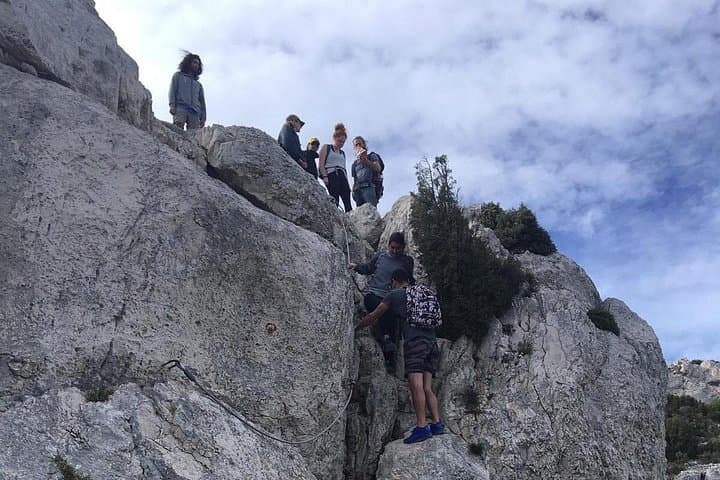
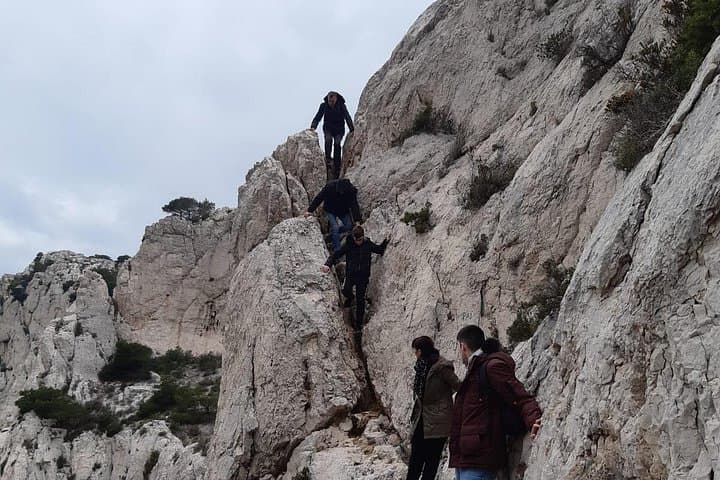
Expect scrubby maquis, sharp, sun-baked rock, and sheer drop-offs; sections require short, unroped scrambling and careful footing. Water is scarce on-trail—bring more than you think. Timing matters: morning hikes beat the heat and evening light makes cliffs glow.
Practical notes: wear stiff-soled boots, carry at least 2–3 liters, and use a small pack for layers and snacks; a local guide eases route-finding and points out wildlife. If waves feel like they’re calling you, check tide and swim conditions and leave valuables locked in your hotel. Over three days the Calanques rewards steady legs and quiet attention with some of Provence’s most direct encounters with sea and stone.
A moderate fitness level is required: expect several hours of hiking per day, elevation changes on steep limestone trails, and short sections of unroped scrambling.
Yes—many participants swim at sheltered coves like d’En-Vau, but check sea conditions and currents; access usually requires a short walk from the trailhead and there are no lifeguards.
Not strictly, but a local guide improves safety, route-choice and interpretation of geology, flora and cultural sites—especially on less-marked trails.
Dogs may be restricted inside the national park or on certain trails; check with the operator and keep dogs on-leash to protect wildlife and local vegetation.
Planetazur operates guided outdoor trips and adventures with an emphasis on safety, stewardship, and memorable experiences.
You step off the minivan and the sea announces itself first: wind on limestone, the distant slap of surf in hidden coves and sunlight bright enough to make turquoise water look imagined. Over three days you move between sharp ridgelines and sheltered inlets—Sugiton’s crest, the steep approach to Sormiou, the cathedral walls of d’En-Vau—each trail alternately exposing and protecting you from the Mediterranean.
You step off the minivan and the sea announces itself first: wind on limestone, the distant slap of surf in hidden coves and sunlight bright enough to make turquoise water look imagined. Over three days you move between sharp ridgelines and sheltered inlets—Sugiton’s crest, the steep approach to Sormiou, the cathedral walls of d’En-Vau—each trail alternately exposing and protecting you from the Mediterranean.
The Calanques National Park is recent as a protected area (created in 2012) but its landscape is ancient: folded limestone carved by waves and rivers during the Miocene, producing steep-walled fjord-like inlets. Human history here is maritime and pastoral—fishermen’s ports at Cassis, abandoned shepherd huts, and the quarry scars that shaped Marseille’s stonework. Local culture favors simple, strong flavors: olives, anchovies, and cassis wine after a long walk.
Expect scrubby maquis, sharp, sun-baked rock, and sheer drop-offs; sections require short, unroped scrambling and careful footing. Water is scarce on-trail—bring more than you think. Timing matters: morning hikes beat the heat and evening light makes cliffs glow.
Practical notes: wear stiff-soled boots, carry at least 2–3 liters, and use a small pack for layers and snacks; a local guide eases route-finding and points out wildlife. If waves feel like they’re calling you, check tide and swim conditions and leave valuables locked in your hotel. Over three days the Calanques rewards steady legs and quiet attention with some of Provence’s most direct encounters with sea and stone.
