THE ADVENTURE COLLECTIVE® · Independent discovery and booking for outdoor travel

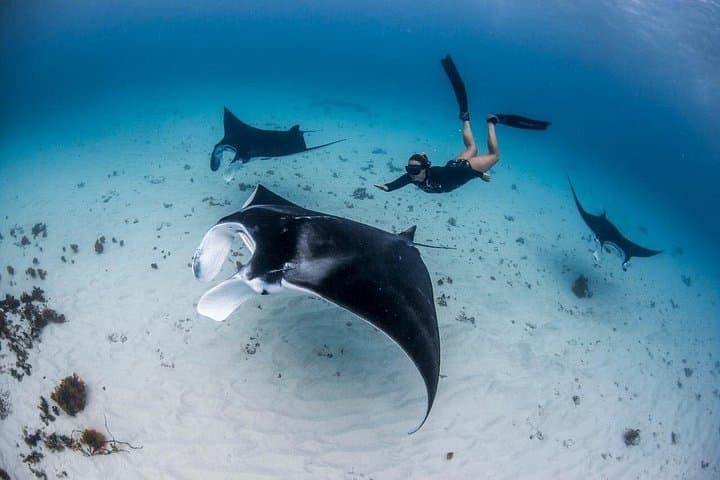
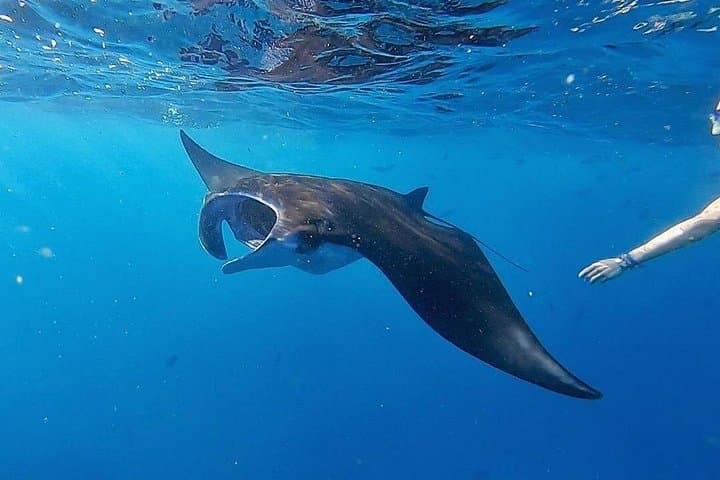
Board a short boat from Jungut Batu and hop three distinct snorkeling sites — Manta Bay, Gamat Bay, and Mangrove Point — where currents, reefs and nutrient-rich channels create prime marine viewing. Guides provide gear and floatation, but sightings aren’t guaranteed; tides and weather set the rules.
Board a short boat from Jungut Batu and hop three distinct snorkeling sites — Manta Bay, Gamat Bay, and Mangrove Point — where currents, reefs and nutrient-rich channels create prime marine viewing. Guides provide gear and floatation, but sightings aren’t guaranteed; tides and weather set the rules.
A low dawn light slices across the waves as the boat slips away from Jungut Batu; the sea ahead is a moving page of blues and greens that seems to know where the animals live. On this three‑island snorkeling run you move from open water to sheltered bays — each stop revealing a different rhythm: plankton-rich channels that draw mantas, reef gardens crowded with small fish, and shallow mangrove fringes where juveniles hide.
Verified experiences and guided adventures in the surrounding area.
Operated by Telaga Waja River Rafting · Nusa Lembongan, Bali
A low dawn light slices across the waves as the boat slips away from Jungut Batu; the sea ahead is a moving page of blues and greens that seems to know where the animals live. On this three‑island snorkeling run you move from open water to sheltered bays — each stop revealing a different rhythm: plankton-rich channels that draw mantas, reef gardens crowded with small fish, and shallow mangrove fringes where juveniles hide.
Geology here is raw: uplifted limestone cliffs on Nusa Penida drop into deep channels that create strong currents and nutrient upwellings, which in turn feed large filter feeders like manta rays. The islands share Balinese cultural ties — local fishermen, seaweed farms and small temples dot shorelines — and tourism supports many village economies.
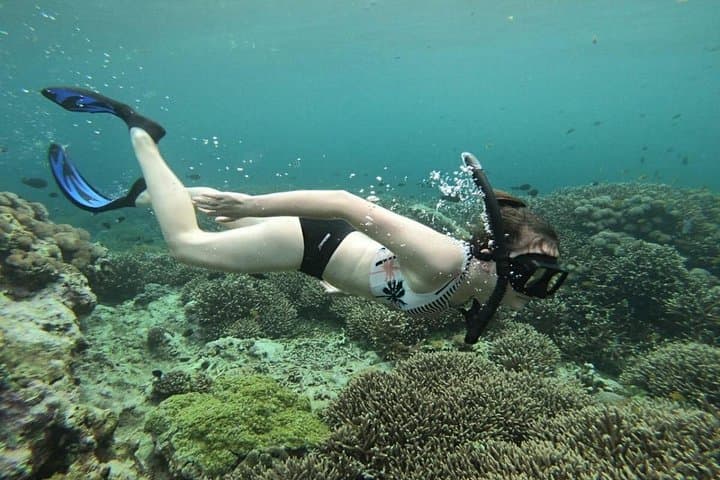
Expect guided surface swims at Manta Bay, a cautious drift through Gamat Bay’s caves and crevices, and a gentler reef at Mangrove Point. Sightings of mantas and turtles are common but never guaranteed; currents and plankton shifts govern visits more than schedules. Guides usually provide life vests, snorkel gear and basic instruction, and launch times are timed to tides and wind.
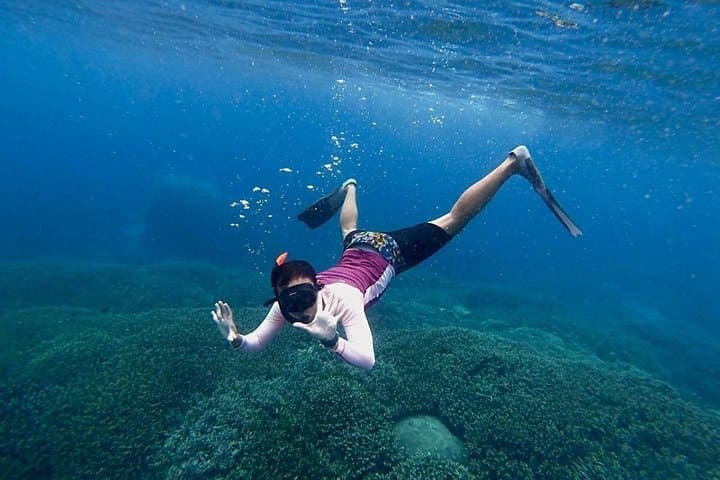
Practical notes: bring reef‑safe sunscreen, a snug mask, and a waterproof camera; wear a rashguard for sun and jellyfish protection. If you’re not a confident swimmer, tell your guide — floatation is standard. Sea conditions can change quickly; a calm morning yields the best visibility. Plan pickup from Lembongan or Sanur on Bali, and leave time in your schedule for boat transfers and a relaxed return to shore.
No — mantas are wild and seasonal; guides choose sites with high probability but sightings depend on plankton, currents and weather.
Yes — operators supply floatation and a guide will stay with non‑swimmers, but basic comfort in water is important.
Most tours include pickup on Nusa Lembongan; if you’re coming from Bali mainland, allow time for the fast boat to Lembongan and confirm pickup details in advance.
Dry season (roughly May–September) typically offers calmer seas and better visibility, though mantas can be seen year‑round.
Telaga Waja River Rafting operates guided outdoor trips and adventures with an emphasis on safety, stewardship, and memorable experiences.
A low dawn light slices across the waves as the boat slips away from Jungut Batu; the sea ahead is a moving page of blues and greens that seems to know where the animals live. On this three‑island snorkeling run you move from open water to sheltered bays — each stop revealing a different rhythm: plankton-rich channels that draw mantas, reef gardens crowded with small fish, and shallow mangrove fringes where juveniles hide.
A low dawn light slices across the waves as the boat slips away from Jungut Batu; the sea ahead is a moving page of blues and greens that seems to know where the animals live. On this three‑island snorkeling run you move from open water to sheltered bays — each stop revealing a different rhythm: plankton-rich channels that draw mantas, reef gardens crowded with small fish, and shallow mangrove fringes where juveniles hide.
Geology here is raw: uplifted limestone cliffs on Nusa Penida drop into deep channels that create strong currents and nutrient upwellings, which in turn feed large filter feeders like manta rays. The islands share Balinese cultural ties — local fishermen, seaweed farms and small temples dot shorelines — and tourism supports many village economies.
Expect guided surface swims at Manta Bay, a cautious drift through Gamat Bay’s caves and crevices, and a gentler reef at Mangrove Point. Sightings of mantas and turtles are common but never guaranteed; currents and plankton shifts govern visits more than schedules. Guides usually provide life vests, snorkel gear and basic instruction, and launch times are timed to tides and wind.
Practical notes: bring reef‑safe sunscreen, a snug mask, and a waterproof camera; wear a rashguard for sun and jellyfish protection. If you’re not a confident swimmer, tell your guide — floatation is standard. Sea conditions can change quickly; a calm morning yields the best visibility. Plan pickup from Lembongan or Sanur on Bali, and leave time in your schedule for boat transfers and a relaxed return to shore.