THE ADVENTURE COLLECTIVE® · Independent discovery and booking for outdoor travel

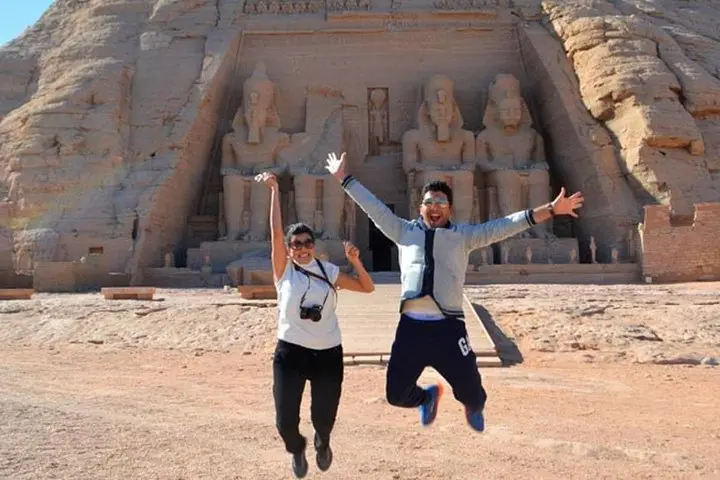
Float along the Nile on a curated three-night cruise from Aswan to Luxor—hot-air balloon dawns, cliff-side Abu Simbel and a sequence of classical temples. Expect early starts, guided Egyptology-led tours and comfortable riverboard downtime.
Float along the Nile on a curated three-night cruise from Aswan to Luxor—hot-air balloon dawns, cliff-side Abu Simbel and a sequence of classical temples. Expect early starts, guided Egyptology-led tours and comfortable riverboard downtime.
Dawn on the Nile arrives like a slow exhale: palm silhouettes sharpen against a sky that shifts from plum to pale gold as the cruise slips away from Aswan's quays. Onboard, the river keeps its own pace — a long ribbon that ferries you past temple façades, small farmed islands and fishermen casting nets that seem to dare the current.
Verified experiences and guided adventures in the surrounding area.
Operated by Best Of Egypt Tours · Aswan, Aswan Governorate
Dawn on the Nile arrives like a slow exhale: palm silhouettes sharpen against a sky that shifts from plum to pale gold as the cruise slips away from Aswan's quays. Onboard, the river keeps its own pace — a long ribbon that ferries you past temple façades, small farmed islands and fishermen casting nets that seem to dare the current.
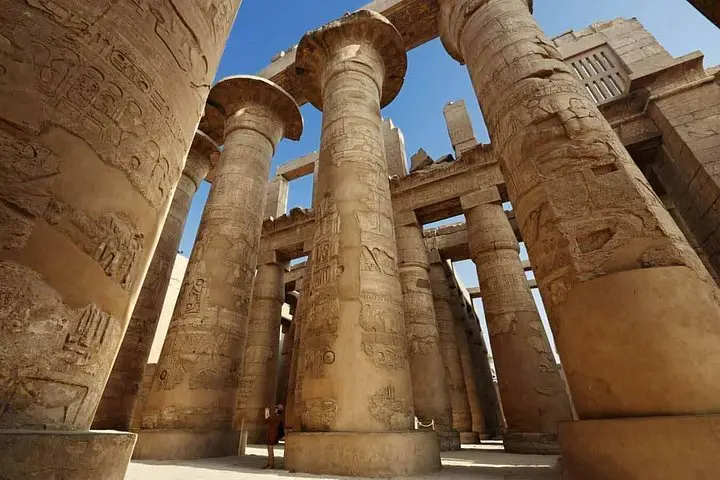
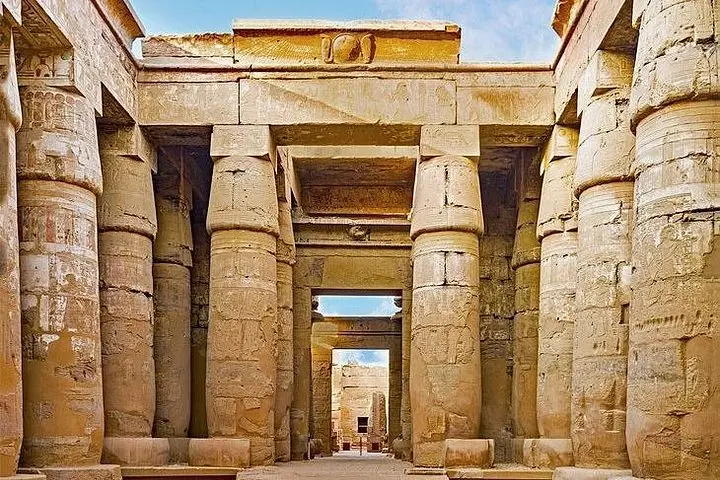
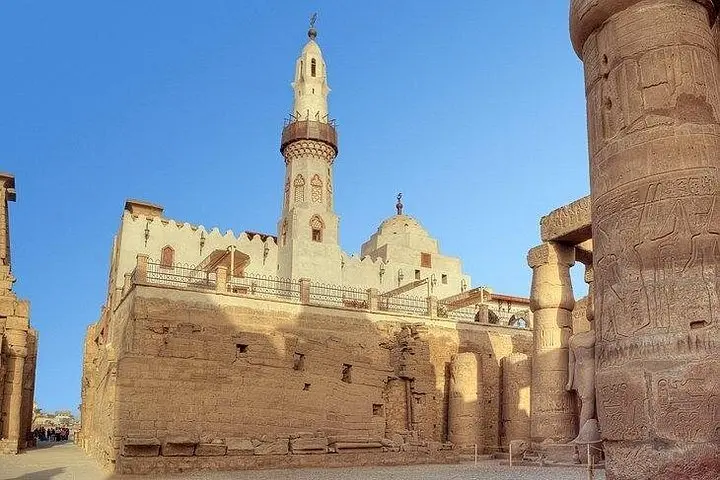
This four-day itinerary stitches Upper Egypt’s greatest concentrations of Pharaonic power into a compact route: Philae and the Aswan High Dam, the cliff-carved temples of Abu Simbel, the Ptolemaic shrine at Kom Ombo, Edfu’s Horus temple, and the concentration of Luxor’s west and east bank antiquities. Geology here is obvious — sandstone and limestone cliffs hewn over millennia by a river that has been the region’s lifeline since prehistoric times. Culturally, Nubian communities around Aswan and Luxor’s souks keep living traditions that contrast with the monumental past.
Practically, expect early starts: the hot-air balloon lift comes before sunrise, and temple visits often mean walking on packed sand, stone ramps and steps. The cruise itself gives you comfortable downtime between excursions — buffet meals, a small-boat transfer to island temples, and straightforward transfers to ports and hotels. Bring sun protection, carry cash for small purchases, and plan for guided tours that reduce navigation stress. If you want the richest experience, pair museum time with the guided explanations of inscriptions and reliefs; they make the stones speak. This trip is best for travelers who want curated access to Upper Egypt’s highlights with the steady rhythm of the Nile as a backdrop.
The itinerary lists a hot-air balloon experience; reputable operators provide safety briefings, licensed pilots and pre-flight checks—confirm inclusion and any age/weight limits when booking.
Guides typically handle tickets but double-check the package inclusions; some specialized tombs or camera permits may require extra fees on-site.
Walks involve uneven ground and steps but are not technical; anyone comfortable with moderate walking should manage most sites with breaks.
Most nationalities require a tourist visa for Egypt—check current entry rules and routine vaccinations; consult your embassy and healthcare provider well before travel.
Best Of Egypt Tours operates guided outdoor trips and adventures with an emphasis on safety, stewardship, and memorable experiences.
Dawn on the Nile arrives like a slow exhale: palm silhouettes sharpen against a sky that shifts from plum to pale gold as the cruise slips away from Aswan's quays. Onboard, the river keeps its own pace — a long ribbon that ferries you past temple façades, small farmed islands and fishermen casting nets that seem to dare the current.
Dawn on the Nile arrives like a slow exhale: palm silhouettes sharpen against a sky that shifts from plum to pale gold as the cruise slips away from Aswan's quays. Onboard, the river keeps its own pace — a long ribbon that ferries you past temple façades, small farmed islands and fishermen casting nets that seem to dare the current.
This four-day itinerary stitches Upper Egypt’s greatest concentrations of Pharaonic power into a compact route: Philae and the Aswan High Dam, the cliff-carved temples of Abu Simbel, the Ptolemaic shrine at Kom Ombo, Edfu’s Horus temple, and the concentration of Luxor’s west and east bank antiquities. Geology here is obvious — sandstone and limestone cliffs hewn over millennia by a river that has been the region’s lifeline since prehistoric times. Culturally, Nubian communities around Aswan and Luxor’s souks keep living traditions that contrast with the monumental past.
Practically, expect early starts: the hot-air balloon lift comes before sunrise, and temple visits often mean walking on packed sand, stone ramps and steps. The cruise itself gives you comfortable downtime between excursions — buffet meals, a small-boat transfer to island temples, and straightforward transfers to ports and hotels. Bring sun protection, carry cash for small purchases, and plan for guided tours that reduce navigation stress. If you want the richest experience, pair museum time with the guided explanations of inscriptions and reliefs; they make the stones speak. This trip is best for travelers who want curated access to Upper Egypt’s highlights with the steady rhythm of the Nile as a backdrop.