THE ADVENTURE COLLECTIVE® · Independent discovery and booking for outdoor travel

A full-day loop from Dreams Las Mareas that visits three iconic Guanacaste waterfalls: the turquoise Rio Celeste in Tenorio Volcano National Park, the jungle plunge of Oropendola, and the sandy pool of Llanos de Cortés. Expect hiking, swimming (at two sites), and a typical Costa Rican lunch.
A full-day loop from Dreams Las Mareas that visits three iconic Guanacaste waterfalls: the turquoise Rio Celeste in Tenorio Volcano National Park, the jungle plunge of Oropendola, and the sandy pool of Llanos de Cortés. Expect hiking, swimming (at two sites), and a typical Costa Rican lunch.
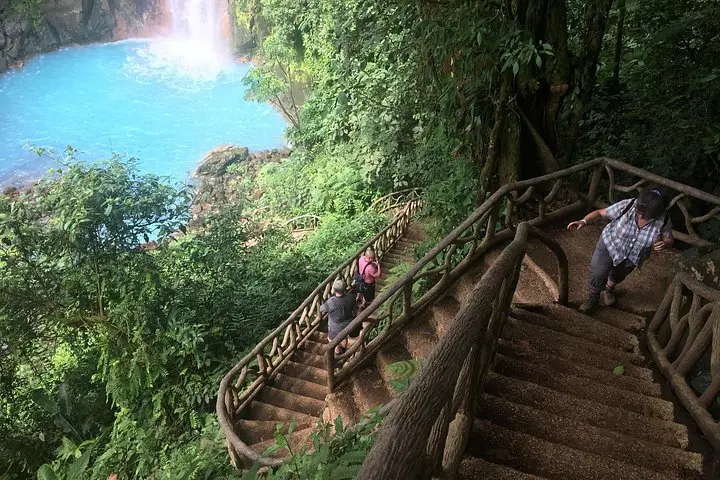
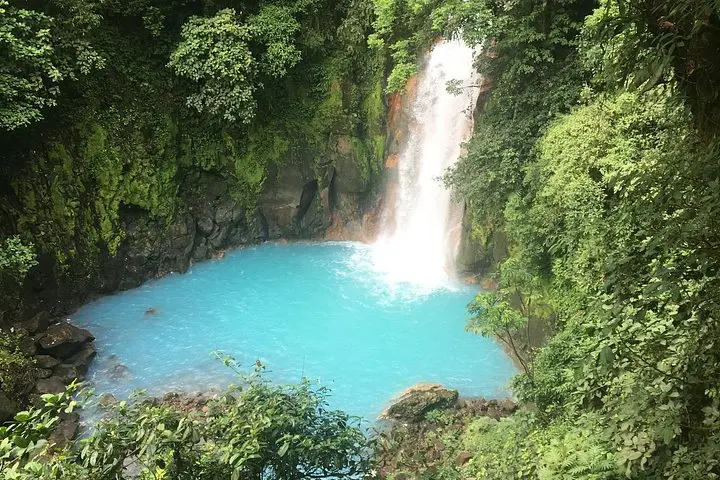
You step into humidity and green; the van eases away from the hotel and the road dissolves into a corridor of trees. By midmorning the rainforest tightens around you: birds punctuate the air, leaves drum with unseen insects, and the guide points to a narrow trail that leads to the first drop—Rio Celeste—its unusual blue color appearing like a painted cut through jungle.
Verified experiences and guided adventures in the surrounding area.
Operated by Real Tours Costa Rica · Liberia, Guanacaste
You step into humidity and green; the van eases away from the hotel and the road dissolves into a corridor of trees. By midmorning the rainforest tightens around you: birds punctuate the air, leaves drum with unseen insects, and the guide points to a narrow trail that leads to the first drop—Rio Celeste—its unusual blue color appearing like a painted cut through jungle.
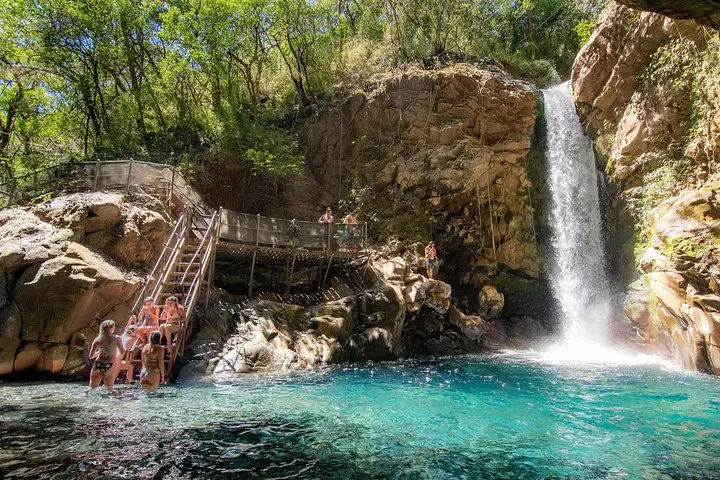
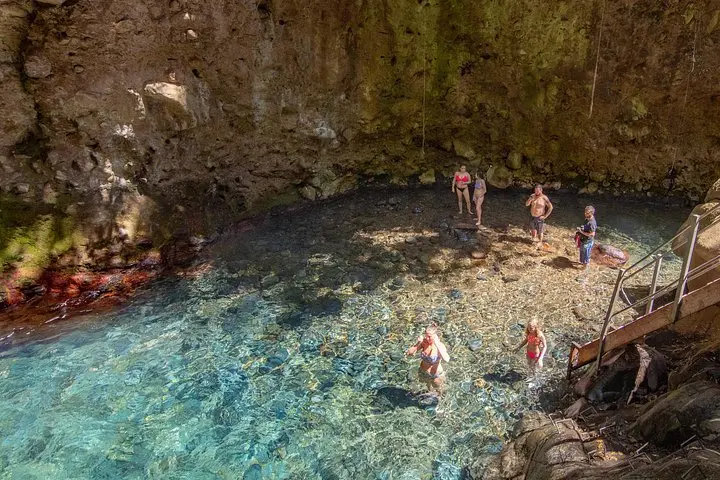
Tenorio Volcano National Park is volcanic in origin; mineral reactions at Los Teñideros give Rio Celeste its famous turquoise hue. Geology and rainfall shape the three sites on this loop—steep-sided canyons at Oropendola, a broad sandy pool at Llanos de Cortés, and thermal springs and shaded boardwalks in between. Culturally, the route threads through Guanacaste’s rural communities where traditional ranching meets ecotourism, and lunch is a plate of typical Costa Rican food after morning hikes.
Expect a full day: roughly nine hours including transfers. Trails are mostly well-formed but can be muddy and slippery after rain; Rio Celeste has viewing platforms and swimming is not permitted in the park, while Llanos de Cortés and Oropendola do allow swims. Guides are bilingual and provide context, wildlife spotting, and safe entry points for a dip.
Practical: wear grippy shoes, bring a waterproof layer, reef-safe sunscreen, insect repellent, and a small towel. Hydrate early and plan for changing weather—storms in the tropics can form fast. The tour balances hiking, short swims, and relaxed breaks, making it a compact Costa Rica day of waterfalls and rainforest.
No—Tenorio National Park prohibits swimming at Rio Celeste to protect its unique chemical balance; viewing platforms are provided.
The tour is about nine hours, typically including private transportation, a bilingual guide, lunch, and entrance fees to the sites listed.
Yes for school-age children with supervision; there are short hikes and swimming spots, but follow guide instructions near cliffs and currents.
Moderate fitness is recommended—expect several short hikes up to 40 minutes on uneven trails and some steps.
Real Tours Costa Rica operates guided outdoor trips and adventures with an emphasis on safety, stewardship, and memorable experiences.
You step into humidity and green; the van eases away from the hotel and the road dissolves into a corridor of trees. By midmorning the rainforest tightens around you: birds punctuate the air, leaves drum with unseen insects, and the guide points to a narrow trail that leads to the first drop—Rio Celeste—its unusual blue color appearing like a painted cut through jungle.
You step into humidity and green; the van eases away from the hotel and the road dissolves into a corridor of trees. By midmorning the rainforest tightens around you: birds punctuate the air, leaves drum with unseen insects, and the guide points to a narrow trail that leads to the first drop—Rio Celeste—its unusual blue color appearing like a painted cut through jungle.
Tenorio Volcano National Park is volcanic in origin; mineral reactions at Los Teñideros give Rio Celeste its famous turquoise hue. Geology and rainfall shape the three sites on this loop—steep-sided canyons at Oropendola, a broad sandy pool at Llanos de Cortés, and thermal springs and shaded boardwalks in between. Culturally, the route threads through Guanacaste’s rural communities where traditional ranching meets ecotourism, and lunch is a plate of typical Costa Rican food after morning hikes.
Expect a full day: roughly nine hours including transfers. Trails are mostly well-formed but can be muddy and slippery after rain; Rio Celeste has viewing platforms and swimming is not permitted in the park, while Llanos de Cortés and Oropendola do allow swims. Guides are bilingual and provide context, wildlife spotting, and safe entry points for a dip.
Practical: wear grippy shoes, bring a waterproof layer, reef-safe sunscreen, insect repellent, and a small towel. Hydrate early and plan for changing weather—storms in the tropics can form fast. The tour balances hiking, short swims, and relaxed breaks, making it a compact Costa Rica day of waterfalls and rainforest.