THE ADVENTURE COLLECTIVE® · Independent discovery and booking for outdoor travel

An 11-day overland circuit that pairs Lhasa’s religious centers with the forests of Nyingchi, glacial passes, Everest Base Camp and the blue sweep of Namtso. Expect high-altitude driving, short hikes, and close cultural encounters—prepare to acclimatize and layer for sudden weather shifts.
An 11-day overland circuit that pairs Lhasa’s religious centers with the forests of Nyingchi, glacial passes, Everest Base Camp and the blue sweep of Namtso. Expect high-altitude driving, short hikes, and close cultural encounters—prepare to acclimatize and layer for sudden weather shifts.
You step off the bus and the plateau greets you with a thin, crystalline air — Lhasa’s flat-topped roofs and the whitewashed Potala catching light like a well-placed compass point.
Verified experiences and guided adventures in the surrounding area.
Operated by 西藏域龍旅行社 · Lhasa, Tibet
You step off the bus and the plateau greets you with a thin, crystalline air — Lhasa’s flat-topped roofs and the whitewashed Potala catching light like a well-placed compass point.
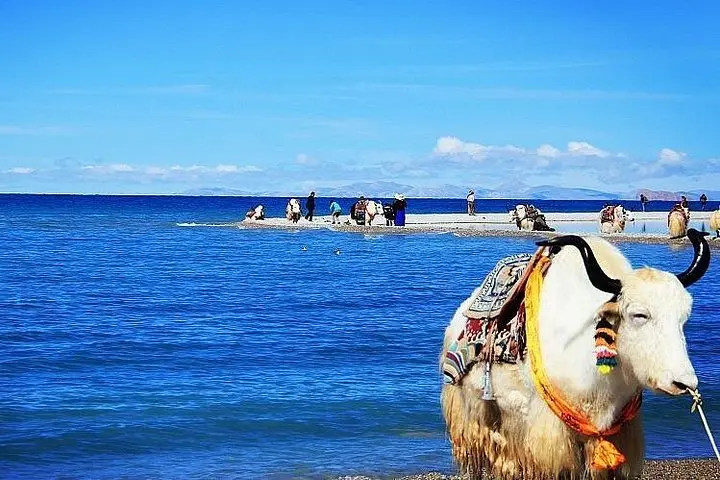
This 11-day circuit moves from Lhasa’s sacred heart through river valleys and glacial passes to the vast silence of Everest Base Camp and the reflective calm of Namtso. The route threads history and geology: Potala and Jokhang anchor Tibetan Buddhism; the Niyang River has carved deep gorges and fed primeval forests near Nyingchi; Sejila and Mila passes climb above 4,500–5,000 m where wind and ice sculpt the land. Villages along the way keep living craft traditions — prayer flags, mani stones and yak-herding rhythms that mark seasons.
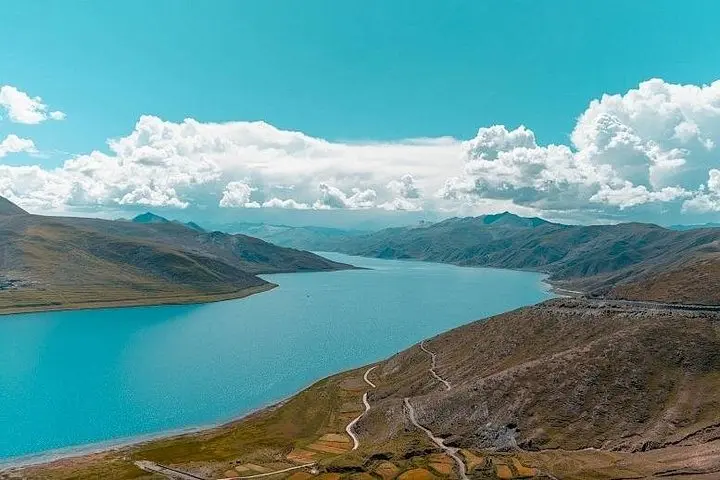
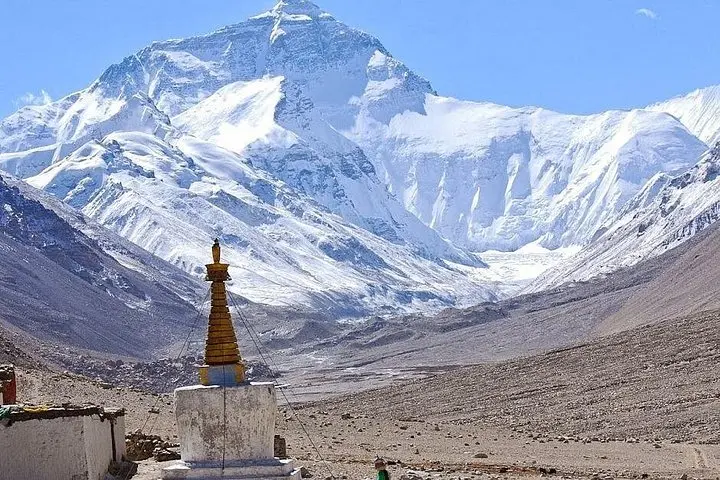
Expect long drives punctuated by short hikes and viewpoint stops. Key elevations to note: Lhasa ~3,650 m, Basongco and Nam Co lakes above 4,300 m, Sejila and Mila passes ~4,500–5,013 m, Everest Base Camp ~5,200 m. Weather changes fast; wind and sun can be intense at high altitude and glaciers linger year-round.
Practical guidance: prioritize acclimatization (first 48 hours easy), carry layered insulation and a sun kit, sip water steadily, and avoid strenuous exertion on high-pass days. Cameras and a tripod reward clear morning light, but battery life drops in the cold. Respect temple rules—quiet, no flash in restricted areas—and plan extra time for permits and contingency driving. With preparation, this is a route of dramatic peaks and intimate cultural encounters that reward steady pace over haste.
Yes—foreign visitors need a Tibet Travel Permit arranged through a licensed tour operator; the operator typically handles application and hotel paperwork.
Altitude effects are common above 3,500 m; symptoms can include headache, nausea and fatigue—allow time to acclimatize and inform guides if symptoms worsen.
This itinerary reaches the Rongbuk/everest viewpoint area by vehicle and eco-car to the Base Camp access road; heavy mountaineering is not required.
Guides are typically bilingual (English and Mandarin) and familiar with local culture; specialized-language requests should be arranged in advance.
西藏域龍旅行社 operates guided outdoor trips and adventures with an emphasis on safety, stewardship, and memorable experiences.
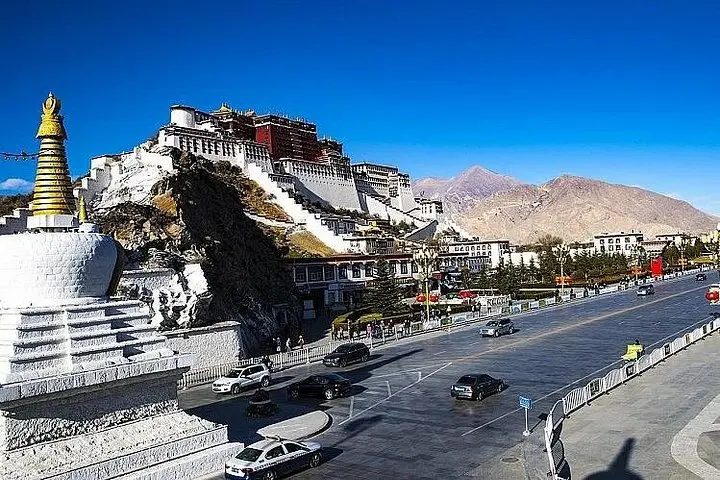
You step off the bus and the plateau greets you with a thin, crystalline air — Lhasa’s flat-topped roofs and the whitewashed Potala catching light like a well-placed compass point.
You step off the bus and the plateau greets you with a thin, crystalline air — Lhasa’s flat-topped roofs and the whitewashed Potala catching light like a well-placed compass point.
This 11-day circuit moves from Lhasa’s sacred heart through river valleys and glacial passes to the vast silence of Everest Base Camp and the reflective calm of Namtso. The route threads history and geology: Potala and Jokhang anchor Tibetan Buddhism; the Niyang River has carved deep gorges and fed primeval forests near Nyingchi; Sejila and Mila passes climb above 4,500–5,000 m where wind and ice sculpt the land. Villages along the way keep living craft traditions — prayer flags, mani stones and yak-herding rhythms that mark seasons.
Expect long drives punctuated by short hikes and viewpoint stops. Key elevations to note: Lhasa ~3,650 m, Basongco and Nam Co lakes above 4,300 m, Sejila and Mila passes ~4,500–5,013 m, Everest Base Camp ~5,200 m. Weather changes fast; wind and sun can be intense at high altitude and glaciers linger year-round.
Practical guidance: prioritize acclimatization (first 48 hours easy), carry layered insulation and a sun kit, sip water steadily, and avoid strenuous exertion on high-pass days. Cameras and a tripod reward clear morning light, but battery life drops in the cold. Respect temple rules—quiet, no flash in restricted areas—and plan extra time for permits and contingency driving. With preparation, this is a route of dramatic peaks and intimate cultural encounters that reward steady pace over haste.