THE ADVENTURE COLLECTIVE® · Independent discovery and booking for outdoor travel

An 11‑day overland journey from Lhasa to Kathmandu that pairs Lhasa’s monasteries with Everest’s raw high‑altitude views. Expect long drives, high passes and a blend of Tibetan and Nepali heritage.
An 11‑day overland journey from Lhasa to Kathmandu that pairs Lhasa’s monasteries with Everest’s raw high‑altitude views. Expect long drives, high passes and a blend of Tibetan and Nepali heritage.
You step off the vehicle on a high plain and the air immediately feels thinner—clean and raw, the mountains pressing close like an audience. From Lhasa's high stone streets to the ragged horizon at Rongbuk, this 11‑day route threads grand monasteries, glacial vistas and dusty border towns into a continuous Himalayan corridor.
Verified experiences and guided adventures in the surrounding area.
Operated by China Pleasure Tour Co,. Ltd. · Lhasa, Tibet Autonomous Region
You step off the vehicle on a high plain and the air immediately feels thinner—clean and raw, the mountains pressing close like an audience. From Lhasa's high stone streets to the ragged horizon at Rongbuk, this 11‑day route threads grand monasteries, glacial vistas and dusty border towns into a continuous Himalayan corridor.
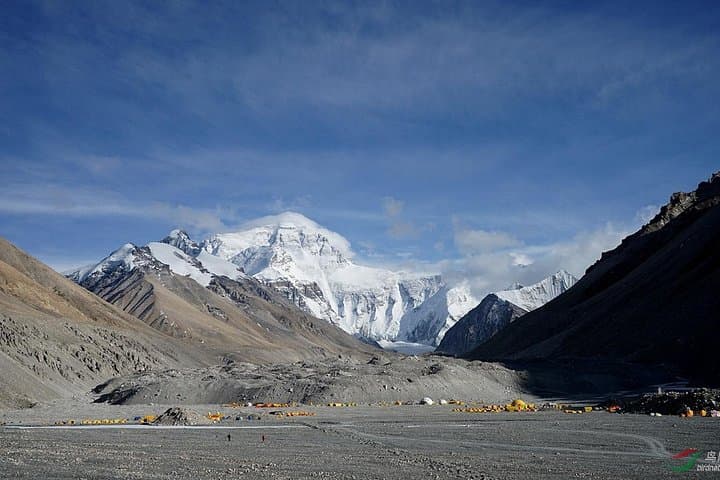
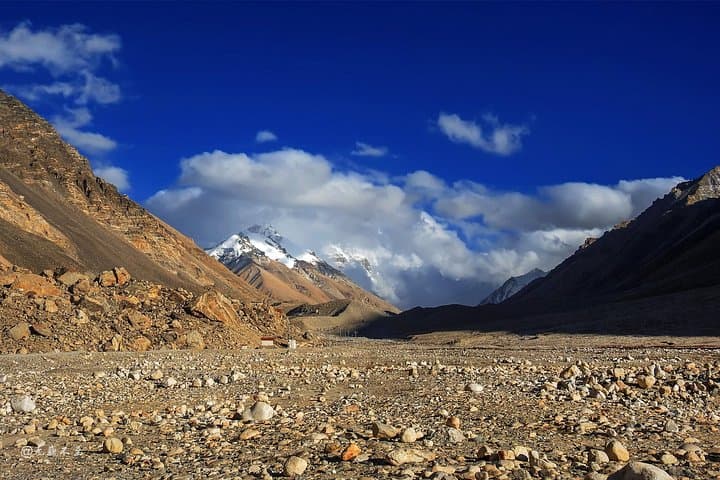
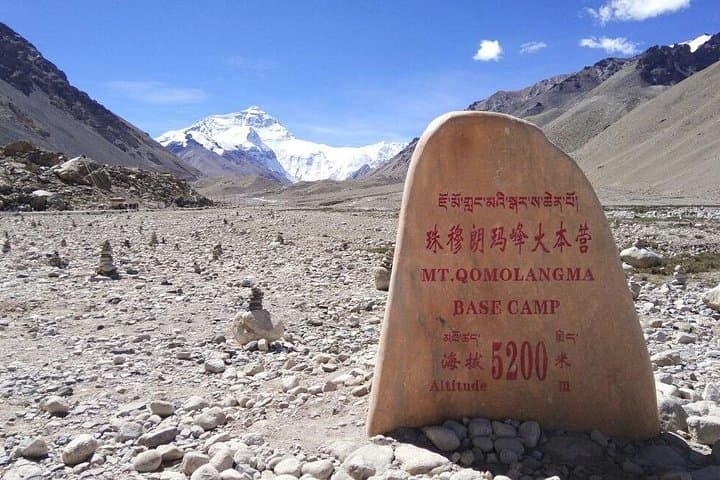
Lhasa opens the trip: Potala and Jokhang reflect centuries of Tibetan Buddhism, their white-and-red facades speaking to a history of political power and pilgrimage. The landscape between Lhasa and Gyantze is Pleistocene in scale—glacial lakes, tilted strata and sweeping valleys carved by the Yarlung Tsangpo. Southward, Rongbuk Monastery perches at 5,100 m beneath Everest’s north face; from here the mountain feels like a presence rather than a peak.
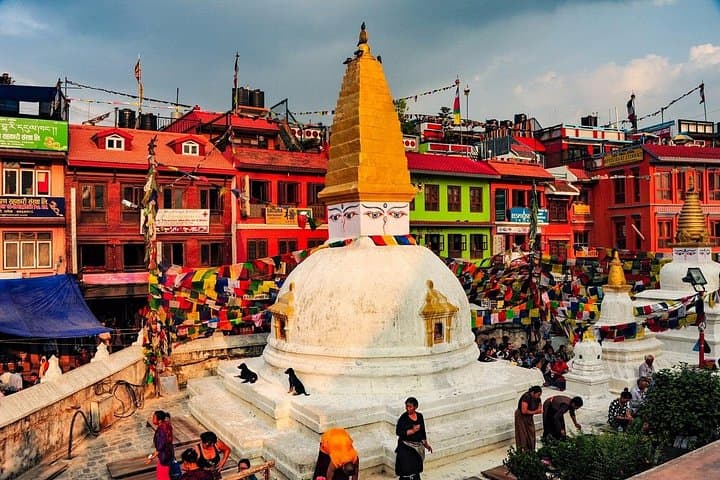
Across the Zhangmu pass the program moves into the Kathmandu Valley where Newar temples, Durbar Square and Boudhanath narrate Nepal’s layered Hindu-Buddhist culture.
Practicalities matter: expect daily transfers of several hours, altitude up to 5,100 m, basic 3‑star hotels and some unpaved stretches. Carry layered clothing for strong sun and sudden wind, drink extra water while acclimatizing, and allow at least two easy days in Lhasa for symptoms to settle. Passport, Tibet Travel Permit and comfortable walking shoes are essential. Travel here is equal parts cultural immersion and high‑altitude road journey—rewarding, brisk, and best approached with steady pacing and respect for local customs.
Yes—travelers require a Tibet Travel Permit arranged before arrival; the tour operator typically handles this.
The itinerary reaches around 5,100 m at Rongbuk; mild altitude symptoms are common—allow acclimatization time and consult a physician about medication.
Accommodation is generally 3‑star level with basic amenities; expect simpler options near Everest and at border towns.
The Zhangmu border is used on this route; it involves paperwork and can be slow—allow flexibility in schedules for delays.
China Pleasure Tour Co,. Ltd. operates guided outdoor trips and adventures with an emphasis on safety, stewardship, and memorable experiences.
You step off the vehicle on a high plain and the air immediately feels thinner—clean and raw, the mountains pressing close like an audience. From Lhasa's high stone streets to the ragged horizon at Rongbuk, this 11‑day route threads grand monasteries, glacial vistas and dusty border towns into a continuous Himalayan corridor.
You step off the vehicle on a high plain and the air immediately feels thinner—clean and raw, the mountains pressing close like an audience. From Lhasa's high stone streets to the ragged horizon at Rongbuk, this 11‑day route threads grand monasteries, glacial vistas and dusty border towns into a continuous Himalayan corridor.
Lhasa opens the trip: Potala and Jokhang reflect centuries of Tibetan Buddhism, their white-and-red facades speaking to a history of political power and pilgrimage. The landscape between Lhasa and Gyantze is Pleistocene in scale—glacial lakes, tilted strata and sweeping valleys carved by the Yarlung Tsangpo. Southward, Rongbuk Monastery perches at 5,100 m beneath Everest’s north face; from here the mountain feels like a presence rather than a peak.
Across the Zhangmu pass the program moves into the Kathmandu Valley where Newar temples, Durbar Square and Boudhanath narrate Nepal’s layered Hindu-Buddhist culture.
Practicalities matter: expect daily transfers of several hours, altitude up to 5,100 m, basic 3‑star hotels and some unpaved stretches. Carry layered clothing for strong sun and sudden wind, drink extra water while acclimatizing, and allow at least two easy days in Lhasa for symptoms to settle. Passport, Tibet Travel Permit and comfortable walking shoes are essential. Travel here is equal parts cultural immersion and high‑altitude road journey—rewarding, brisk, and best approached with steady pacing and respect for local customs.