THE ADVENTURE COLLECTIVE® · Independent discovery and booking for outdoor travel

Discover Tibumana’s shaded plunge pool, a butterfly conservatory, and Ubud’s Sacred Monkey Forest in a private day tour that blends geology, culture, and wildlife encounters. Practical tips cover timing, footwear, and wildlife etiquette to help you get the most from a 7–10 hour day.
Discover Tibumana’s shaded plunge pool, a butterfly conservatory, and Ubud’s Sacred Monkey Forest in a private day tour that blends geology, culture, and wildlife encounters. Practical tips cover timing, footwear, and wildlife etiquette to help you get the most from a 7–10 hour day.
You descend from the minivan and the air changes—humid, green, threaded with the sound of falling water. Tibumana drops clean from a narrow cleft in volcanic rock into a shaded pool; palms and paddy fields fan out behind you while a narrow stream dares you to step closer and feel the spray. Later, the forest in central Ubud hushes and chatters at once as long‑tailed macaques move through temple courtyards and mossed stone.
Verified experiences and guided adventures in the surrounding area.
Operated by Bali Adventours · Ubud, Bali
You descend from the minivan and the air changes—humid, green, threaded with the sound of falling water. Tibumana drops clean from a narrow cleft in volcanic rock into a shaded pool; palms and paddy fields fan out behind you while a narrow stream dares you to step closer and feel the spray. Later, the forest in central Ubud hushes and chatters at once as long‑tailed macaques move through temple courtyards and mossed stone.
Geology here is recent—volcanic highlands carved by streams that cut narrow gorges and created plunge pools like Tibumana. Culturally the route threads Bali’s agrarian life and Hindu practice: small family temples and rice paddies mark the landscape, and the Monkey Forest itself protects both monkeys and sacred temple compounds.
The tour commonly includes a butterfly conservatory in Kemenuh, a quick cultural primer between the waterfall’s walk and the monkey sanctuary. Expect short, uneven paths at Tibumana, a modest descent with stone steps and slippery sections; the Monkey Forest is flatter but busy and requires respectful distance from wildlife.
Practical guidance: bring a dry bag for cameras, a refillable water bottle, and sturdy sandals or light trail shoes with grip. Plan for a 7–10 hour day with hotel pickup in Ubud or Seminyak; morning departures avoid the heaviest crowds and midday heat. Keep valuables secured—macaques are bold—and follow park rules at the sanctuary. Hydrate, wear sunscreen, and leave no trace: these spots balance everyday village life with nature, and your care helps keep them open for the next traveler.
Tibumana is roughly 20–30 minutes’ drive from central Ubud depending on traffic—about 15 km by road.
Yes, visitors commonly swim in the natural pool when conditions are calm; avoid swimming after heavy rain due to stronger currents and debris.
Long‑tailed macaques can be bold but are not usually aggressive; do not feed them, keep distance, and secure loose items to avoid bites or theft.
Yes—this tour is family‑friendly, but infants must sit on laps in vehicles and children should be supervised closely around water and monkeys.
Bali Adventours operates guided outdoor trips and adventures with an emphasis on safety, stewardship, and memorable experiences.
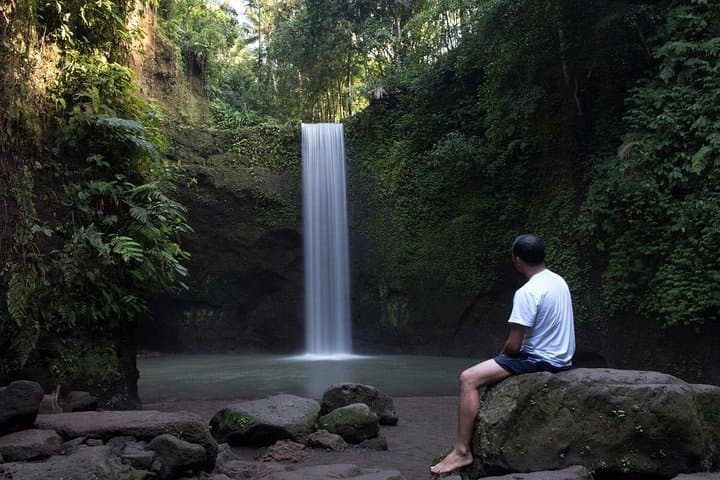
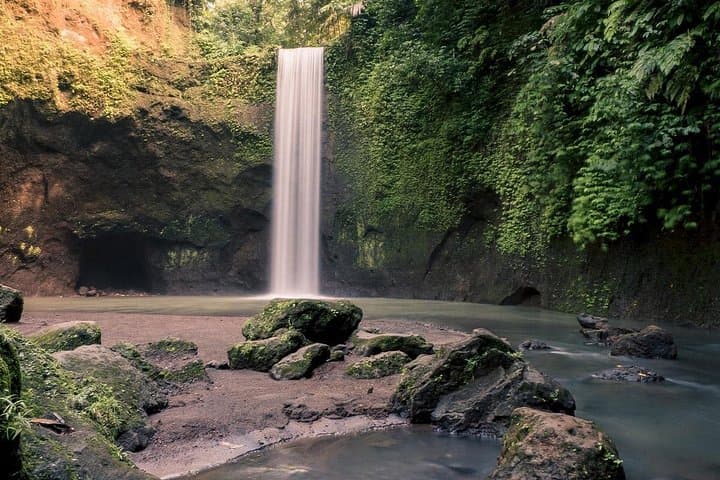


You descend from the minivan and the air changes—humid, green, threaded with the sound of falling water. Tibumana drops clean from a narrow cleft in volcanic rock into a shaded pool; palms and paddy fields fan out behind you while a narrow stream dares you to step closer and feel the spray. Later, the forest in central Ubud hushes and chatters at once as long‑tailed macaques move through temple courtyards and mossed stone.
You descend from the minivan and the air changes—humid, green, threaded with the sound of falling water. Tibumana drops clean from a narrow cleft in volcanic rock into a shaded pool; palms and paddy fields fan out behind you while a narrow stream dares you to step closer and feel the spray. Later, the forest in central Ubud hushes and chatters at once as long‑tailed macaques move through temple courtyards and mossed stone.
Geology here is recent—volcanic highlands carved by streams that cut narrow gorges and created plunge pools like Tibumana. Culturally the route threads Bali’s agrarian life and Hindu practice: small family temples and rice paddies mark the landscape, and the Monkey Forest itself protects both monkeys and sacred temple compounds.
The tour commonly includes a butterfly conservatory in Kemenuh, a quick cultural primer between the waterfall’s walk and the monkey sanctuary. Expect short, uneven paths at Tibumana, a modest descent with stone steps and slippery sections; the Monkey Forest is flatter but busy and requires respectful distance from wildlife.
Practical guidance: bring a dry bag for cameras, a refillable water bottle, and sturdy sandals or light trail shoes with grip. Plan for a 7–10 hour day with hotel pickup in Ubud or Seminyak; morning departures avoid the heaviest crowds and midday heat. Keep valuables secured—macaques are bold—and follow park rules at the sanctuary. Hydrate, wear sunscreen, and leave no trace: these spots balance everyday village life with nature, and your care helps keep them open for the next traveler.