THE ADVENTURE COLLECTIVE® · Independent discovery and booking for outdoor travel

Experience the jungle at night on a guided 60-minute walk through Tifakara’s tropical forest. Search for red-eyed tree frogs, listen to amphibian choruses, and learn how local conservation helps protect these wetland specialists.
Experience the jungle at night on a guided 60-minute walk through Tifakara’s tropical forest. Search for red-eyed tree frogs, listen to amphibian choruses, and learn how local conservation helps protect these wetland specialists.
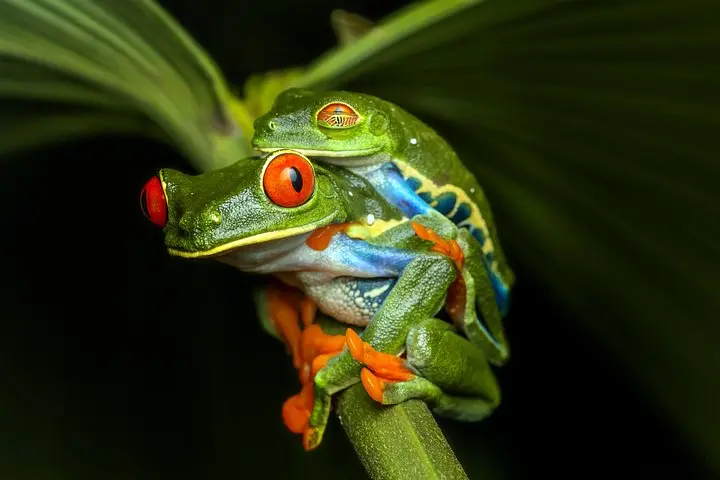
The first step off the lodge path and the jungle answers — a chorus of frogs rising like a tide. Headlamps pick out wet leaves and glistening eyes; a red-eyed tree frog clamps to a broad leaf, vivid and still as the forest breathes around you.
Verified experiences and guided adventures in the surrounding area.
Operated by Tifakara Adventures · Tifakara, Alajuela
The first step off the lodge path and the jungle answers — a chorus of frogs rising like a tide. Headlamps pick out wet leaves and glistening eyes; a red-eyed tree frog clamps to a broad leaf, vivid and still as the forest breathes around you.
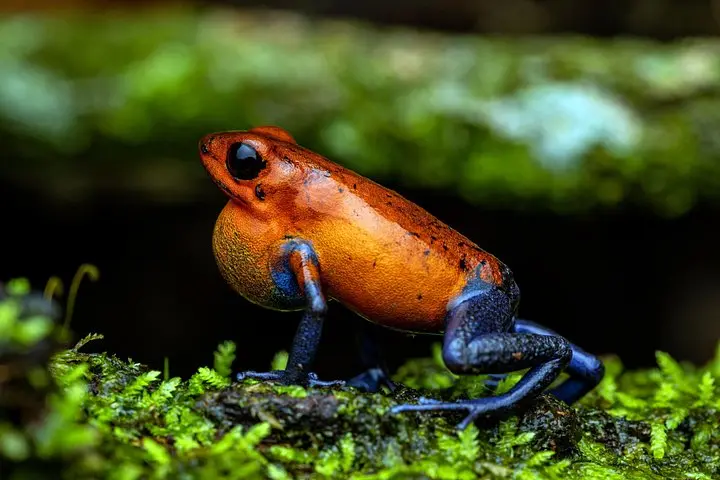
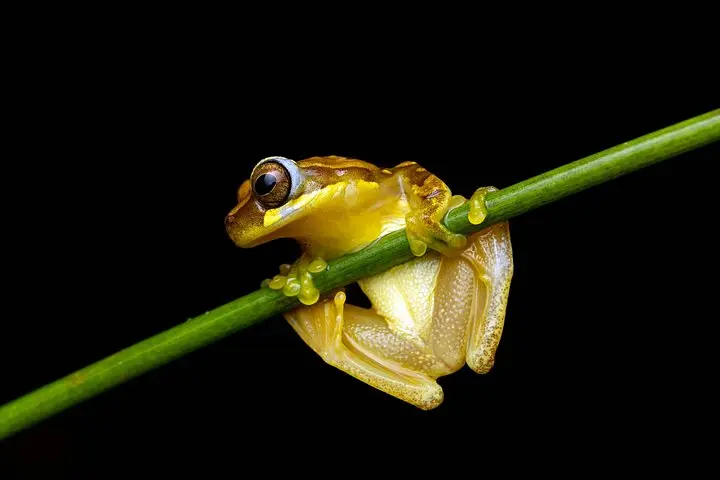
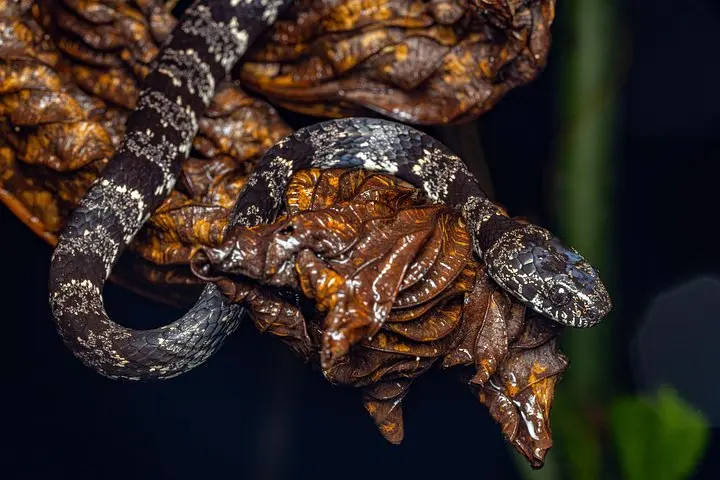
This one-hour night walk runs along hotel trails adjacent to primary tropical forest near La Fortuna, in the volcanic highlands of Costa Rica. Volcanic soils feed dense understory and permanent ponds that make the area an amphibian hotspot. The tour centers on two frog sanctuaries where guides point out Agalychnis callidryas (red-eyed tree frogs), glass frogs, and other nocturnal amphibians; occasionally visitors glimpse sloths, nightjars, or a sleepy boa in the understory.
The walk is rooted in local conservation: amphibian monitoring and habitat protection are priorities for reserves around Arenal, and guides often share notes on community-driven restoration and the role frogs play as indicators of forest health.
Practical notes: the route is short and mostly flat, suitable for all fitness levels, and runs about 60 minutes after dusk. Expect sticky humidity, muddy patches, and low light — bring a red-filter headlamp, closed-toe shoes, and lightweight rain protection. Avoid flash photography to reduce stress on animals and rely on your guide for spotting and identification.
Plan for early-evening timing (peak amphibian activity after sunset), pack insect repellent, and move quietly; the forest’s small voices reward patience with surprising, intimate encounters.
The guided night tour runs about 60 minutes and follows short hotel trails with two primary observation stops.
Yes; the tour is rated easy and suitable for most ages, but check booking questions for any age restrictions and supervise young children closely on low-light paths.
Guides regularly find red-eyed tree frogs and other amphibians, but wildlife sightings can’t be guaranteed—rain and seasonality influence activity.
Do not use flash photography, do not touch wildlife, and follow guide instructions to minimize disturbance to sensitive amphibians.
Tifakara Adventures operates guided outdoor trips and adventures with an emphasis on safety, stewardship, and memorable experiences.
The first step off the lodge path and the jungle answers — a chorus of frogs rising like a tide. Headlamps pick out wet leaves and glistening eyes; a red-eyed tree frog clamps to a broad leaf, vivid and still as the forest breathes around you.
The first step off the lodge path and the jungle answers — a chorus of frogs rising like a tide. Headlamps pick out wet leaves and glistening eyes; a red-eyed tree frog clamps to a broad leaf, vivid and still as the forest breathes around you.
This one-hour night walk runs along hotel trails adjacent to primary tropical forest near La Fortuna, in the volcanic highlands of Costa Rica. Volcanic soils feed dense understory and permanent ponds that make the area an amphibian hotspot. The tour centers on two frog sanctuaries where guides point out Agalychnis callidryas (red-eyed tree frogs), glass frogs, and other nocturnal amphibians; occasionally visitors glimpse sloths, nightjars, or a sleepy boa in the understory.
The walk is rooted in local conservation: amphibian monitoring and habitat protection are priorities for reserves around Arenal, and guides often share notes on community-driven restoration and the role frogs play as indicators of forest health.
Practical notes: the route is short and mostly flat, suitable for all fitness levels, and runs about 60 minutes after dusk. Expect sticky humidity, muddy patches, and low light — bring a red-filter headlamp, closed-toe shoes, and lightweight rain protection. Avoid flash photography to reduce stress on animals and rely on your guide for spotting and identification.
Plan for early-evening timing (peak amphibian activity after sunset), pack insect repellent, and move quietly; the forest’s small voices reward patience with surprising, intimate encounters.