THE ADVENTURE COLLECTIVE® · Independent discovery and booking for outdoor travel

Traverse the High Trail of Tiger Leaping Gorge over three days, trading pine-scented ridgelines and steel ladders for jaw-dropping views of the Jinsha River. This multi-day hike blends steep climbs, Naxi village stops, and dramatic geology—prepare for sun, wind, and quick weather shifts.
Traverse the High Trail of Tiger Leaping Gorge over three days, trading pine-scented ridgelines and steel ladders for jaw-dropping views of the Jinsha River. This multi-day hike blends steep climbs, Naxi village stops, and dramatic geology—prepare for sun, wind, and quick weather shifts.
Morning light slices across a canyon wall and the Jinsha River below rumbles like a distant drum. On the High Trail of Tiger Leaping Gorge, hikers move along narrow benches carved into steep rock, pine-scented air brushing the face as clouds roll over Jade Dragon Snow Mountain.
Verified experiences and guided adventures in the surrounding area.
Operated by U2Panda · Lijiang, Yunnan
Morning light slices across a canyon wall and the Jinsha River below rumbles like a distant drum. On the High Trail of Tiger Leaping Gorge, hikers move along narrow benches carved into steep rock, pine-scented air brushing the face as clouds roll over Jade Dragon Snow Mountain.
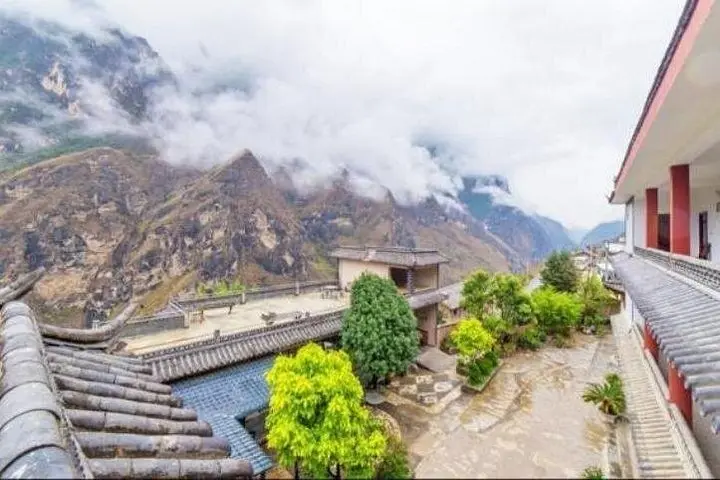
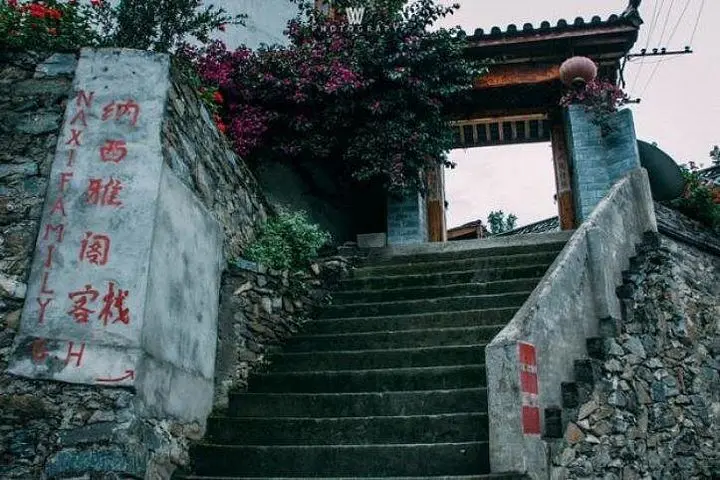
The gorge takes its name from a local legend—the river narrows at one point to such force that a tiger is said to have leapt across to escape hunters. Geologically, the route follows a fractured fault block where the Yangtze’s headwaters have cut deeply through uplifted terraces, exposing sheer cliffs and scree slopes. Naxi villages dot the high ridgelines; their flags and guesthouses reflect centuries of mountain transhumance and tea-horse trade routes that linked Yunnan to Tibet.
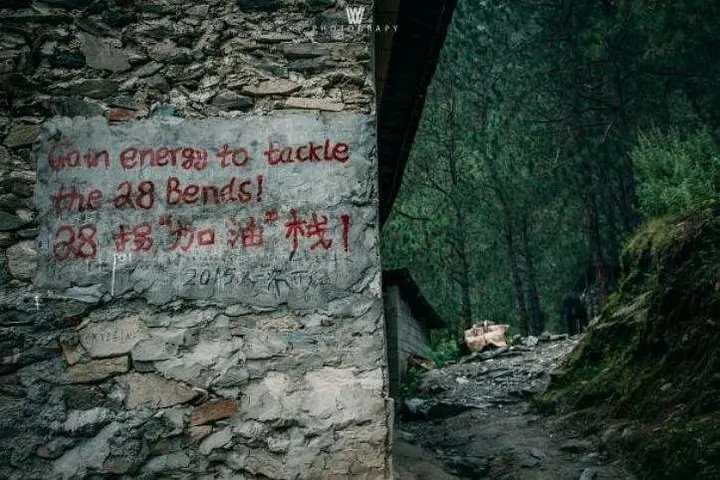
Expect steep ascents (including the famous 28 Bends), stretches of dusty trail, short steel ladders, and exposed viewpoints with vertigo-inducing drops. Temperatures can swing dramatically between sun-exposed ridges and shaded valley bottoms, and weather can shift fast—rain, sun, and wind in the same afternoon.
Practical guidance: carry layered clothing, at least 2–3 liters of water, snacks, and sun protection; bring cash for small shops and viewpoint tickets. Pace yourself on the steeper sections and use trekking poles for knees and balance. Mobile reception is intermittent; follow your guide’s route, respect local signage, and leave no trace to protect fragile high-altitude soils.
Yes—while not technical mountaineering, the route includes long ascents, exposure and ladder sections. Prior multi-day hiking experience and good fitness are recommended.
Entrance tickets to Tiger Leaping Gorge viewpoints are usually required and are often handled by the tour operator; bring cash for on-site fees.
The trail reaches roughly 2,600–2,700 m at high points; most hikers will acclimate with a night in Lijiang but monitor for altitude symptoms and descend if needed.
Coverage is intermittent along the trail—expect service in villages but poor reception on exposed ridges; rely on your guide and carry a printed itinerary.
U2Panda operates guided outdoor trips and adventures with an emphasis on safety, stewardship, and memorable experiences.
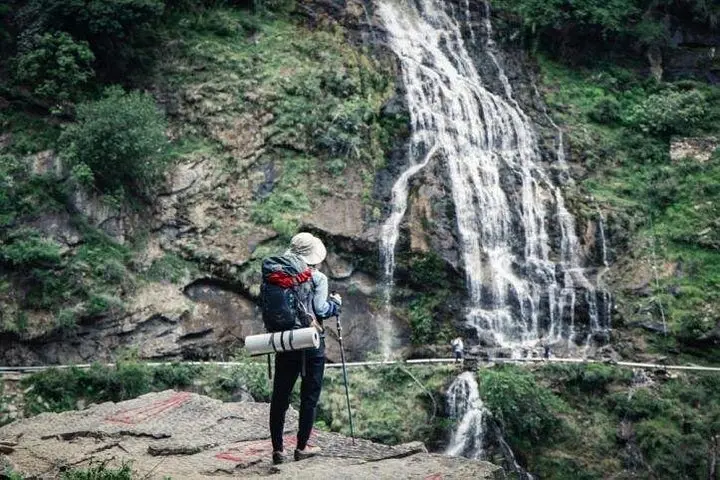
Morning light slices across a canyon wall and the Jinsha River below rumbles like a distant drum. On the High Trail of Tiger Leaping Gorge, hikers move along narrow benches carved into steep rock, pine-scented air brushing the face as clouds roll over Jade Dragon Snow Mountain.
Morning light slices across a canyon wall and the Jinsha River below rumbles like a distant drum. On the High Trail of Tiger Leaping Gorge, hikers move along narrow benches carved into steep rock, pine-scented air brushing the face as clouds roll over Jade Dragon Snow Mountain.
The gorge takes its name from a local legend—the river narrows at one point to such force that a tiger is said to have leapt across to escape hunters. Geologically, the route follows a fractured fault block where the Yangtze’s headwaters have cut deeply through uplifted terraces, exposing sheer cliffs and scree slopes. Naxi villages dot the high ridgelines; their flags and guesthouses reflect centuries of mountain transhumance and tea-horse trade routes that linked Yunnan to Tibet.
Expect steep ascents (including the famous 28 Bends), stretches of dusty trail, short steel ladders, and exposed viewpoints with vertigo-inducing drops. Temperatures can swing dramatically between sun-exposed ridges and shaded valley bottoms, and weather can shift fast—rain, sun, and wind in the same afternoon.
Practical guidance: carry layered clothing, at least 2–3 liters of water, snacks, and sun protection; bring cash for small shops and viewpoint tickets. Pace yourself on the steeper sections and use trekking poles for knees and balance. Mobile reception is intermittent; follow your guide’s route, respect local signage, and leave no trace to protect fragile high-altitude soils.