THE ADVENTURE COLLECTIVE® · Independent discovery and booking for outdoor travel

Spend five days searching Chitwan’s Terai lowlands for tigers via private jeep safaris, guided forest walks, and a tranquil Rapti River canoe trip. Expect rhinos, rich birdlife, Tharu village visits, and practical tips to maximize wildlife viewing.
Spend five days searching Chitwan’s Terai lowlands for tigers via private jeep safaris, guided forest walks, and a tranquil Rapti River canoe trip. Expect rhinos, rich birdlife, Tharu village visits, and practical tips to maximize wildlife viewing.
The jeep shudders across sunbaked tracks, dust lifting as sal forest and tall elephant grass part to reveal a stretch of river where birds wheel and a herd of deer freezes for a breath. This is Chitwan National Park — lowland Terai country where the landscape is patient and the wildlife moves with quiet, deliberate intent.
Verified experiences and guided adventures in the surrounding area.
Operated by Jungle Safari Lodge · Sauraha, Bagmati Province
The jeep shudders across sunbaked tracks, dust lifting as sal forest and tall elephant grass part to reveal a stretch of river where birds wheel and a herd of deer freezes for a breath. This is Chitwan National Park — lowland Terai country where the landscape is patient and the wildlife moves with quiet, deliberate intent.
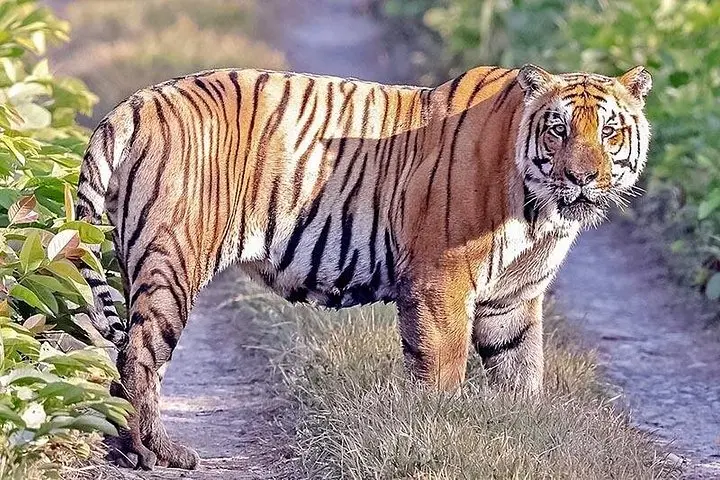
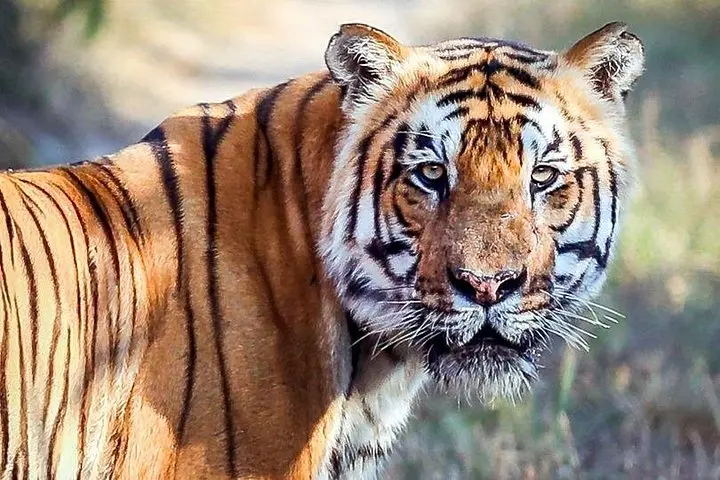
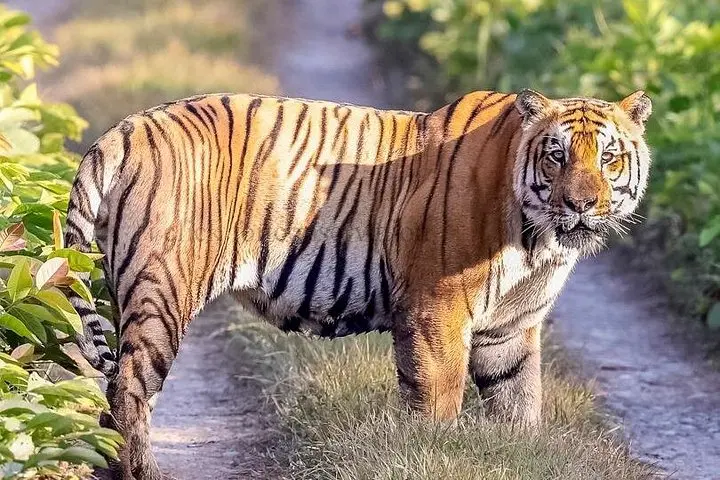
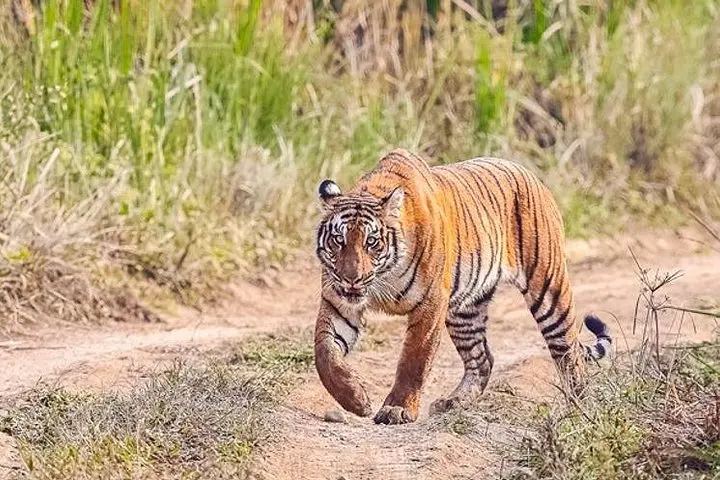
Created in 1973 and later a UNESCO World Heritage site, Chitwan protects one of the last viable populations of Bengal tigers and the iconic greater one-horned rhino. Geologically the park sits on alluvial plains fed by the Rapti and Narayani rivers; expect flat trails, grassy meadows, and patches of dense sal forest. Culturally, the area is home to Tharu communities whose village tours and evening dances give direct insight into local life and conservation-driven livelihoods.
On a typical 5-day program you’ll combine guided forest walks, private jeep safaris (full-day and half-day options), and a quiet canoe trip on the Rapti — each activity designed to maximize sightings while minimizing disturbance. Carry binoculars and patience: tiger sightings are rare but encounters with rhinos, sloth bears, deer, and abundant birdlife are common. Elevation is low (around 150–200 m), terrain is non-technical, and seasonal conditions drive accessibility; the monsoon softens tracks while winter brings clearer skies and higher wildlife activity.
Practical tips: time safaris for early morning or late afternoon, wear muted clothing, bring sun and insect protection, and follow guide instructions around large mammals. If tiger tracking is the goal, multiple game drives and patient observation are the best strategy.
Sightings are possible but not guaranteed; tigers are elusive. Multiple safaris, experienced guides, and patience increase your chances.
Yes—if you follow guide instructions and stick with organized activities; avoid wandering into dense forest alone.
Ensure routine vaccinations are up to date and discuss travel vaccines (e.g., tetanus, typhoid) with a clinic; bring malaria prevention as advised by health authorities.
Families are accepted but young children should remain on laps or in supervised areas; some activities are not recommended for infants or pregnant travelers.
Jungle Safari Lodge operates guided outdoor trips and adventures with an emphasis on safety, stewardship, and memorable experiences.
The jeep shudders across sunbaked tracks, dust lifting as sal forest and tall elephant grass part to reveal a stretch of river where birds wheel and a herd of deer freezes for a breath. This is Chitwan National Park — lowland Terai country where the landscape is patient and the wildlife moves with quiet, deliberate intent.
The jeep shudders across sunbaked tracks, dust lifting as sal forest and tall elephant grass part to reveal a stretch of river where birds wheel and a herd of deer freezes for a breath. This is Chitwan National Park — lowland Terai country where the landscape is patient and the wildlife moves with quiet, deliberate intent.
Created in 1973 and later a UNESCO World Heritage site, Chitwan protects one of the last viable populations of Bengal tigers and the iconic greater one-horned rhino. Geologically the park sits on alluvial plains fed by the Rapti and Narayani rivers; expect flat trails, grassy meadows, and patches of dense sal forest. Culturally, the area is home to Tharu communities whose village tours and evening dances give direct insight into local life and conservation-driven livelihoods.
On a typical 5-day program you’ll combine guided forest walks, private jeep safaris (full-day and half-day options), and a quiet canoe trip on the Rapti — each activity designed to maximize sightings while minimizing disturbance. Carry binoculars and patience: tiger sightings are rare but encounters with rhinos, sloth bears, deer, and abundant birdlife are common. Elevation is low (around 150–200 m), terrain is non-technical, and seasonal conditions drive accessibility; the monsoon softens tracks while winter brings clearer skies and higher wildlife activity.
Practical tips: time safaris for early morning or late afternoon, wear muted clothing, bring sun and insect protection, and follow guide instructions around large mammals. If tiger tracking is the goal, multiple game drives and patient observation are the best strategy.