THE ADVENTURE COLLECTIVE® · Independent discovery and booking for outdoor travel

Spend 105 minutes tracking rescued tigers through the Lionsrock sanctuary, where guided hides and shaded viewing points reveal their behavior and stories. This tour balances close observation with conservation-minded interpretation—ideal for wildlife-minded travelers seeking responsible, up-close encounters.
Spend 105 minutes tracking rescued tigers through the Lionsrock sanctuary, where guided hides and shaded viewing points reveal their behavior and stories. This tour balances close observation with conservation-minded interpretation—ideal for wildlife-minded travelers seeking responsible, up-close encounters.
You step from the vehicle into the hush of highveld grass and a broad, open sky; the air smells faintly of sun-warmed grasses and dust. Ahead, the sanctuary fences are deliberate, designed to keep the cats safe and visitors respectful. For the next 105 minutes you move through viewing hides and shaded paths, eyes trained to catch a flash of orange or the slow, deliberate sweep of a tail.
Verified experiences and guided adventures in the surrounding area.
Operated by LIONSROCK Big Cat Sanctuary · Bethlehem, Free State
You step from the vehicle into the hush of highveld grass and a broad, open sky; the air smells faintly of sun-warmed grasses and dust. Ahead, the sanctuary fences are deliberate, designed to keep the cats safe and visitors respectful. For the next 105 minutes you move through viewing hides and shaded paths, eyes trained to catch a flash of orange or the slow, deliberate sweep of a tail.
Tiger Valley sits inside Lionsrock, a rescue-focused sanctuary that took in cats shipped from circuses, private collections and conflict zones. The Free State landscape here—rolling grasslands punctuated by rocky koppies—gives the enclosures a sense of space and verticality that echoes parts of the tigers’ native ranges. Guides weave individual histories into each encounter: where a cat came from, how it adapted, and what rehabilitation looked like.
Culturally, Lionsrock is part animal welfare movement, part educational site; signage and staff emphasize responsible viewing and the limits of human intervention. Geologically, the area is shaped by ancient basalt and weathered sandstone, offering perches and shade for both wildlife and watching visitors.
Practical guidance: the tour is low-impact and suitable for most travelers—expect mostly flat, short walks between hides. Bring binoculars and a zoom lens, wear closed-toe shoes and sun protection, and plan a morning slot for cooler light and more activity. Photography is possible but keep noise low and follow staff directions; these cats have rescue stories and the sanctuary prioritizes their welfare above spectacle. Leave no trace and listen to the guide—this is an encounter framed by care, not entertainment.
The guided experience runs about 105 minutes and moves between several viewing areas within the sanctuary.
You will observe resident tigers from safe viewing points and hides—close enough to watch behavior but always separated by secure barriers.
Yes; the sanctuary notes the tour is suitable for all physical fitness levels, but children should be supervised and follow staff instructions.
Photography is allowed; use telephoto lenses to avoid approaching enclosures and follow any restrictions staff give to prevent disturbance.
LIONSROCK Big Cat Sanctuary operates guided outdoor trips and adventures with an emphasis on safety, stewardship, and memorable experiences.
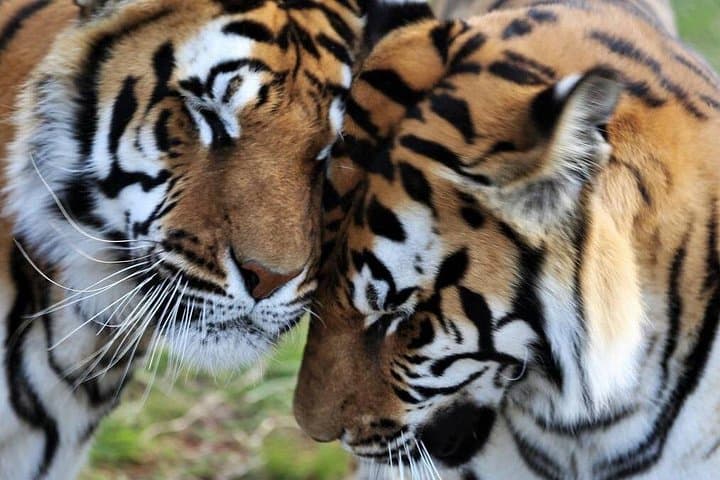



You step from the vehicle into the hush of highveld grass and a broad, open sky; the air smells faintly of sun-warmed grasses and dust. Ahead, the sanctuary fences are deliberate, designed to keep the cats safe and visitors respectful. For the next 105 minutes you move through viewing hides and shaded paths, eyes trained to catch a flash of orange or the slow, deliberate sweep of a tail.
You step from the vehicle into the hush of highveld grass and a broad, open sky; the air smells faintly of sun-warmed grasses and dust. Ahead, the sanctuary fences are deliberate, designed to keep the cats safe and visitors respectful. For the next 105 minutes you move through viewing hides and shaded paths, eyes trained to catch a flash of orange or the slow, deliberate sweep of a tail.
Tiger Valley sits inside Lionsrock, a rescue-focused sanctuary that took in cats shipped from circuses, private collections and conflict zones. The Free State landscape here—rolling grasslands punctuated by rocky koppies—gives the enclosures a sense of space and verticality that echoes parts of the tigers’ native ranges. Guides weave individual histories into each encounter: where a cat came from, how it adapted, and what rehabilitation looked like.
Culturally, Lionsrock is part animal welfare movement, part educational site; signage and staff emphasize responsible viewing and the limits of human intervention. Geologically, the area is shaped by ancient basalt and weathered sandstone, offering perches and shade for both wildlife and watching visitors.
Practical guidance: the tour is low-impact and suitable for most travelers—expect mostly flat, short walks between hides. Bring binoculars and a zoom lens, wear closed-toe shoes and sun protection, and plan a morning slot for cooler light and more activity. Photography is possible but keep noise low and follow staff directions; these cats have rescue stories and the sanctuary prioritizes their welfare above spectacle. Leave no trace and listen to the guide—this is an encounter framed by care, not entertainment.