THE ADVENTURE COLLECTIVE® · Independent discovery and booking for outdoor travel

A four-day introduction to Bhutan that pairs a mountain hike to the iconic Tiger's Nest with cultural highlights in Thimphu and Paro. Practical, compact and steeped in living Buddhist traditions — ideal for travelers who want a short but substantive Bhutan experience.
A four-day introduction to Bhutan that pairs a mountain hike to the iconic Tiger's Nest with cultural highlights in Thimphu and Paro. Practical, compact and steeped in living Buddhist traditions — ideal for travelers who want a short but substantive Bhutan experience.
The trail rises out of Paro Valley air that is cool and thin, the pine-scented slope pulling you into a day of stone steps and prayer flags. You begin among farmland and fluttering mani stones, gaining switchbacks that open onto the cliff-hugging silhouette of Paro Taktsang — the Tiger's Nest — clinging to rock like a deliberate secret.
Verified experiences and guided adventures in the surrounding area.
Operated by Royal Bhutan Travel · Paro, Paro District
The trail rises out of Paro Valley air that is cool and thin, the pine-scented slope pulling you into a day of stone steps and prayer flags. You begin among farmland and fluttering mani stones, gaining switchbacks that open onto the cliff-hugging silhouette of Paro Taktsang — the Tiger's Nest — clinging to rock like a deliberate secret.
Bhutan’s valleys are carved from young Himalaya geology: steep river-cut gorges, slate beds and forested ridgelines. Culturally the country fuses dynamic Buddhist practice with a modern constitutional monarchy; Taktsang itself was founded around a cave where Guru Rinpoche is said to have meditated in the 8th century, and much of the architecture — dzongs and chortens — reflects defensive design and devotional function.
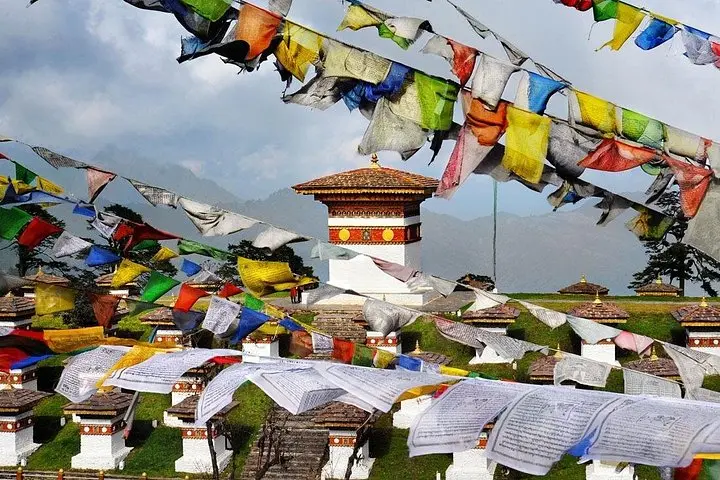
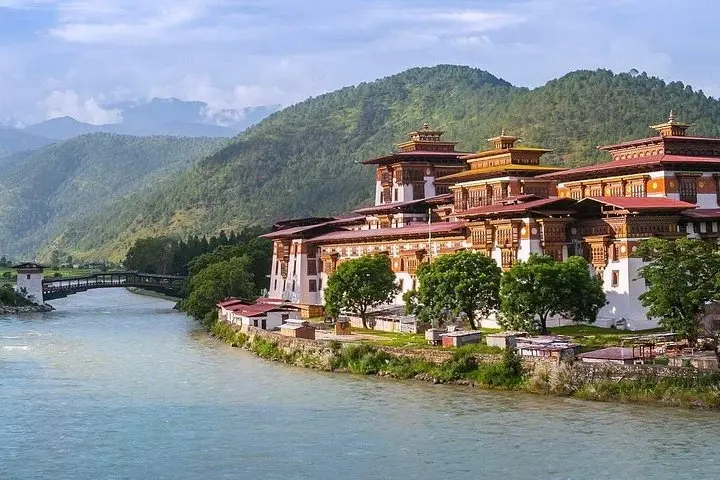
On this compact 3-night itinerary you split time between Thimphu’s civic shrines and Paro’s sacred sites, with options to drive the scenic Dochula Pass and glimpse Punakha’s riverine dzong. Expect 3–5 hours for the Taktsang hike round-trip depending on pace, with rocky paths, stone steps, and a steady 600–900 m elevation gain to the cliffside monastery and its viewpoints.
Practical guidance: carry layered clothing for variable mountain weather, bring water and high-energy snacks, and leave time to acclimatize if you arrive from low elevation. Respect monastery rules: modest dress, quiet inside temples, and no photography where posted. Permits, visa processing and the SDF are handled as part of the package, and local guides manage logistics so you can focus on the trail and the views.
Yes — visitors need a Bhutan visa and pay the sustainable development fee; these are typically handled by the tour operator as part of the package.
Expect roughly 3–5 hours round-trip depending on pace and stops, with several steep sections and stone steps.
The itinerary is accessible to many, but the Tiger's Nest hike requires moderate stamina; consult your guide if you have health concerns or limited mobility.
Spring and autumn offer the clearest weather and views; summer brings warmer temperatures but also monsoon showers, while winter is colder with fewer visitors.
Royal Bhutan Travel operates guided outdoor trips and adventures with an emphasis on safety, stewardship, and memorable experiences.
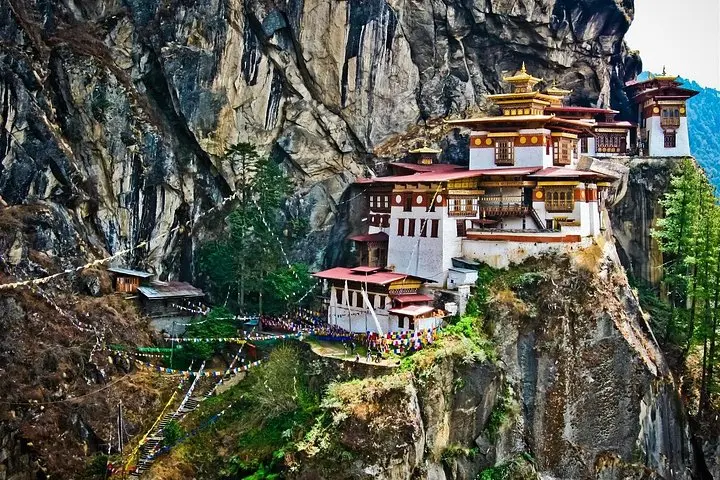
The trail rises out of Paro Valley air that is cool and thin, the pine-scented slope pulling you into a day of stone steps and prayer flags. You begin among farmland and fluttering mani stones, gaining switchbacks that open onto the cliff-hugging silhouette of Paro Taktsang — the Tiger's Nest — clinging to rock like a deliberate secret.
The trail rises out of Paro Valley air that is cool and thin, the pine-scented slope pulling you into a day of stone steps and prayer flags. You begin among farmland and fluttering mani stones, gaining switchbacks that open onto the cliff-hugging silhouette of Paro Taktsang — the Tiger's Nest — clinging to rock like a deliberate secret.
Bhutan’s valleys are carved from young Himalaya geology: steep river-cut gorges, slate beds and forested ridgelines. Culturally the country fuses dynamic Buddhist practice with a modern constitutional monarchy; Taktsang itself was founded around a cave where Guru Rinpoche is said to have meditated in the 8th century, and much of the architecture — dzongs and chortens — reflects defensive design and devotional function.
On this compact 3-night itinerary you split time between Thimphu’s civic shrines and Paro’s sacred sites, with options to drive the scenic Dochula Pass and glimpse Punakha’s riverine dzong. Expect 3–5 hours for the Taktsang hike round-trip depending on pace, with rocky paths, stone steps, and a steady 600–900 m elevation gain to the cliffside monastery and its viewpoints.
Practical guidance: carry layered clothing for variable mountain weather, bring water and high-energy snacks, and leave time to acclimatize if you arrive from low elevation. Respect monastery rules: modest dress, quiet inside temples, and no photography where posted. Permits, visa processing and the SDF are handled as part of the package, and local guides manage logistics so you can focus on the trail and the views.