THE ADVENTURE COLLECTIVE® · Independent discovery and booking for outdoor travel

Combine iconic Mughal monuments with pulse-raising safaris on this compact three‑day loop. Visit the Taj and Agra Fort, then head into Ranthambore, Jhalana and Sariska for guided jeep safaris and a chance to see tigers and leopards in the wild.
Combine iconic Mughal monuments with pulse-raising safaris on this compact three‑day loop. Visit the Taj and Agra Fort, then head into Ranthambore, Jhalana and Sariska for guided jeep safaris and a chance to see tigers and leopards in the wild.
Dawn breaks over marble as the Taj Mahal’s silhouette brightens with the first light — a quiet, cool start before engines fire up and the journey turns toward the dry teak forests of Rajasthan.
Verified experiences and guided adventures in the surrounding area.
Operated by Padma Holidays · Jaipur, Rajasthan
Dawn breaks over marble as the Taj Mahal’s silhouette brightens with the first light — a quiet, cool start before engines fire up and the journey turns toward the dry teak forests of Rajasthan.
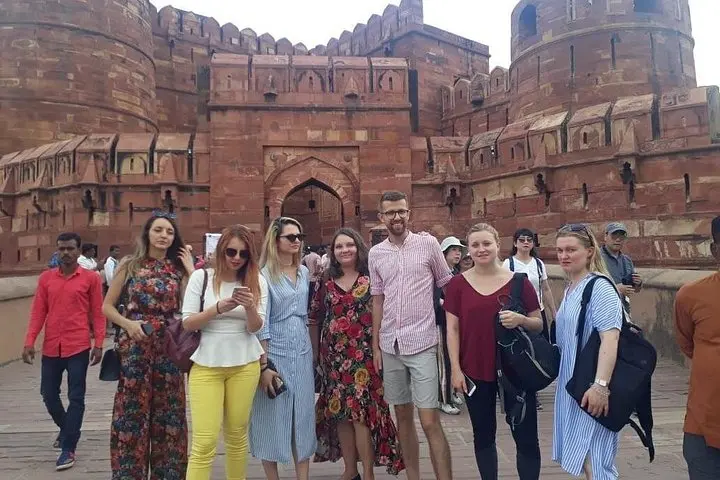
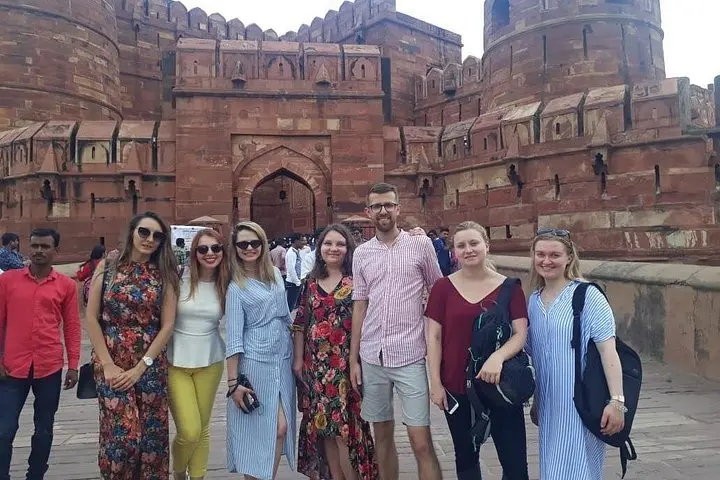
Over three days you move from Mughal monuments to predator country: Agra’s white marble and red sandstone forts tell of 17th‑century empire-building, while the Aravalli foothills and Vindhyan exposures that frame Ranthambore and Sariska bear older geological scars—rocky ridgelines, low scrub and seasonal waterholes that shape wildlife movement. Rajput hunting grounds were later protected and reimagined as reserves; today those same corridors funnel tigers, leopards, sambar and resident birdlife into view if luck and timing align.
Expect early starts (safaris run at first light), shared jeeps or canters, and English-speaking forest guides appointed by authorities. Travel along the Yamuna Expressway to Agra, then a longer transfer to Sawai Madhopur for Ranthambore; Jhalana is an abrupt change to urban-edge woodland near Jaipur, and Sariska offers sweeping dry‑forest vistas.
Practical notes: arrive 20 minutes before boarding, carry binoculars and water, dress in neutral colors and light layers, and keep noise low to improve sighting chances. Park authorities can cancel for weather; tiger sightings are never guaranteed but visiting multiple zones across early mornings raises odds.
This itinerary balances history and wildlife: plan for long drives, early wakeups, and patient watching—when an animal appears, the landscape goes from background to active partner in the story.
No—tigers move freely in their habitat and sightings depend on animal movements; visiting multiple zones and early safari timing increases chances.
Safaris are conducted in shared jeeps or canters depending on park regulations and vehicle availability; guides are appointed by forest authorities.
Standard travel documents and any required visas are the traveler’s responsibility; no special vaccinations are legally required for these parks, but routine travel vaccines and malaria precautions should be considered based on current health guidance.
Options include two nights’ hotel stay with the tour package and private vehicle transfers; check your booking confirmation for specific inclusions and pickup arrangements.
Padma Holidays operates guided outdoor trips and adventures with an emphasis on safety, stewardship, and memorable experiences.
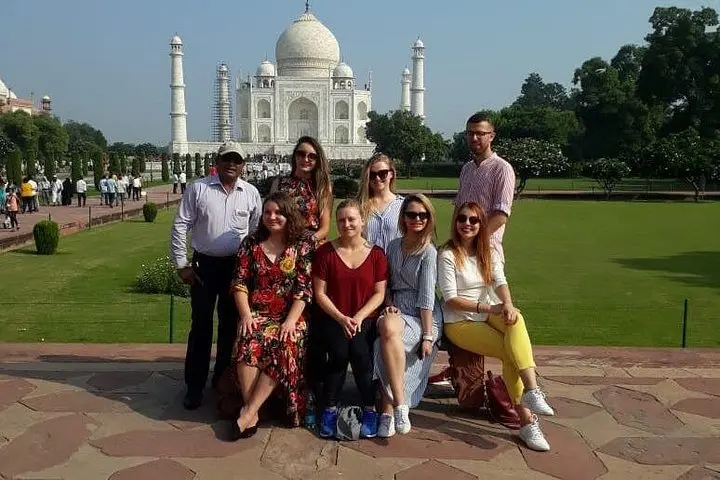
Dawn breaks over marble as the Taj Mahal’s silhouette brightens with the first light — a quiet, cool start before engines fire up and the journey turns toward the dry teak forests of Rajasthan.
Dawn breaks over marble as the Taj Mahal’s silhouette brightens with the first light — a quiet, cool start before engines fire up and the journey turns toward the dry teak forests of Rajasthan.
Over three days you move from Mughal monuments to predator country: Agra’s white marble and red sandstone forts tell of 17th‑century empire-building, while the Aravalli foothills and Vindhyan exposures that frame Ranthambore and Sariska bear older geological scars—rocky ridgelines, low scrub and seasonal waterholes that shape wildlife movement. Rajput hunting grounds were later protected and reimagined as reserves; today those same corridors funnel tigers, leopards, sambar and resident birdlife into view if luck and timing align.
Expect early starts (safaris run at first light), shared jeeps or canters, and English-speaking forest guides appointed by authorities. Travel along the Yamuna Expressway to Agra, then a longer transfer to Sawai Madhopur for Ranthambore; Jhalana is an abrupt change to urban-edge woodland near Jaipur, and Sariska offers sweeping dry‑forest vistas.
Practical notes: arrive 20 minutes before boarding, carry binoculars and water, dress in neutral colors and light layers, and keep noise low to improve sighting chances. Park authorities can cancel for weather; tiger sightings are never guaranteed but visiting multiple zones across early mornings raises odds.
This itinerary balances history and wildlife: plan for long drives, early wakeups, and patient watching—when an animal appears, the landscape goes from background to active partner in the story.