THE ADVENTURE COLLECTIVE® · Independent discovery and booking for outdoor travel

Climb sandstone ledges to find cliff-cut churches painted with vivid icons and still-used by local worshippers. This guided Tigray tour pairs steady hikes with cultural history and dramatic views.
Climb sandstone ledges to find cliff-cut churches painted with vivid icons and still-used by local worshippers. This guided Tigray tour pairs steady hikes with cultural history and dramatic views.
The path rises and the valley opens: sheer sandstone walls peppered with rectangular openings, narrow ledges that demand attention, and frescoed doorways cut into rock over a thousand years old. On a guided Tigray church tour you move between these cliff sanctuaries—Maryam Korkor, Abuna Yemata Guh, Debre Tsion—each one anchored to the cliff by steps carved into the stone or by exposed routes that feel as much like a pilgrimage as a hike.
Verified experiences and guided adventures in the surrounding area.
Operated by Ethiopia Tigray Tours · Mekelle, Tigray Region
The path rises and the valley opens: sheer sandstone walls peppered with rectangular openings, narrow ledges that demand attention, and frescoed doorways cut into rock over a thousand years old. On a guided Tigray church tour you move between these cliff sanctuaries—Maryam Korkor, Abuna Yemata Guh, Debre Tsion—each one anchored to the cliff by steps carved into the stone or by exposed routes that feel as much like a pilgrimage as a hike.
These churches are among Ethiopia’s earliest Christian sites, built and decorated from roughly the 4th century onward. Geologically, the Gheralta escarpment is Miocene sandstone—soft enough for skilled masons to carve but brittle enough that frescoes and niches need careful conservation. Culturally the sites remain active: services, iconography and local custodians carry living traditions that link modern villagers to late antique Christianity.
Expect steep approaches, short sections of exposed scrambling, and guided commentary on iconography and local practice. The guides arrange transport between scattered sites; some climbs take 20–40 minutes from trailhead, others are longer and require steady footing. Photographs are generally allowed but be respectful during services and of painted surfaces—fresco pigments are fragile. Bring sun protection, water and shoes with grip. Plan for full-day options if you want several churches; half-day itineraries visit one or two highlights. Timing your visit for morning light gives the best views and cooler hiking conditions. With proper preparation the trip combines accessible adventure, living history and some of Ethiopia’s most singular cliff-side architecture.
Yes—many are active sites with regular worship; visitors should stay quiet during services and follow local norms.
No technical climbing equipment is required for standard tours, but participants should be comfortable on uneven, sometimes exposed paths.
Guides usually handle local access fees and donations; confirm with the operator what’s included before booking.
Experienced guides choose safe lines, provide briefings on tricky stretches, and accompany guests; tell them about any mobility or vertigo concerns in advance.
Ethiopia Tigray Tours operates guided outdoor trips and adventures with an emphasis on safety, stewardship, and memorable experiences.
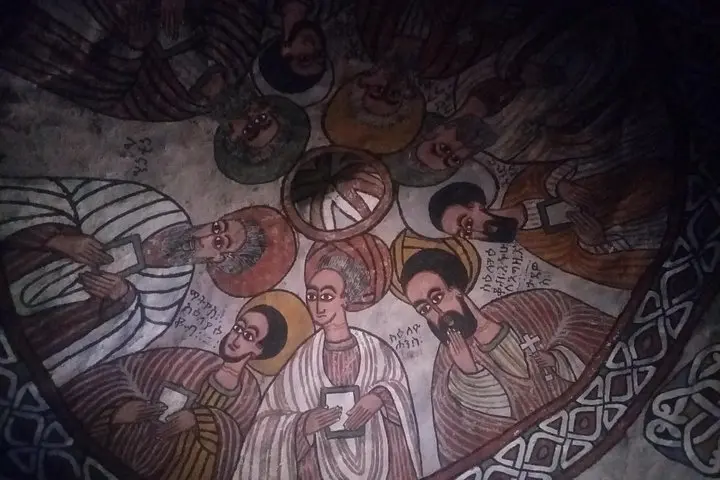
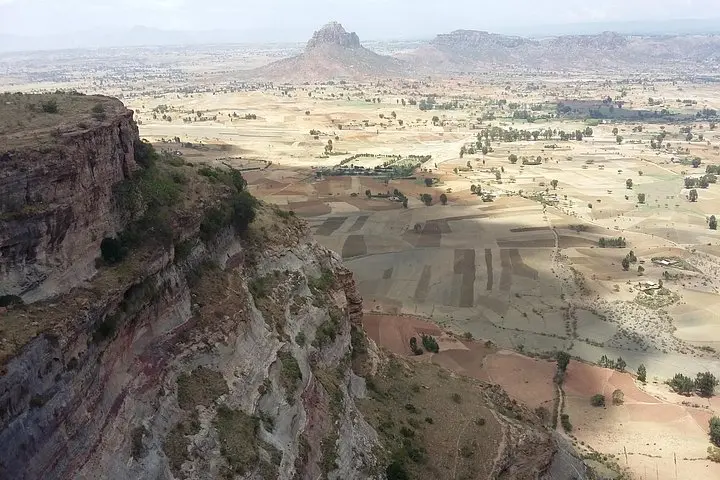
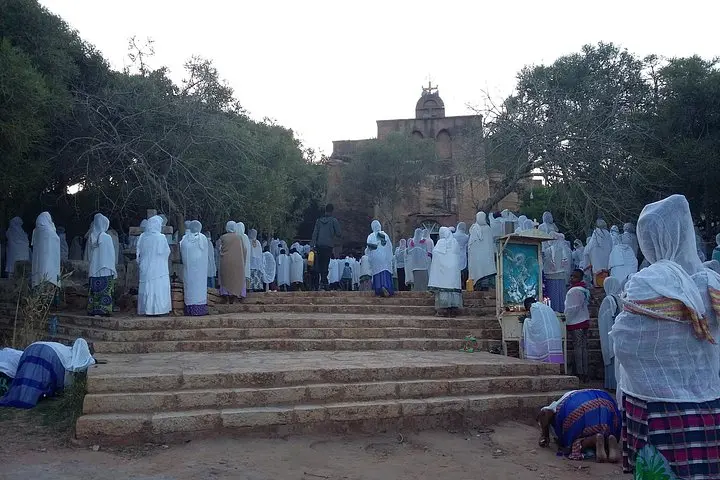
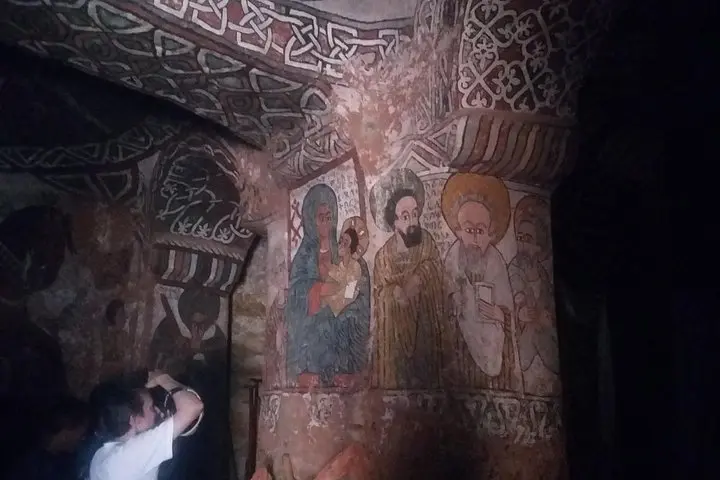
The path rises and the valley opens: sheer sandstone walls peppered with rectangular openings, narrow ledges that demand attention, and frescoed doorways cut into rock over a thousand years old. On a guided Tigray church tour you move between these cliff sanctuaries—Maryam Korkor, Abuna Yemata Guh, Debre Tsion—each one anchored to the cliff by steps carved into the stone or by exposed routes that feel as much like a pilgrimage as a hike.
The path rises and the valley opens: sheer sandstone walls peppered with rectangular openings, narrow ledges that demand attention, and frescoed doorways cut into rock over a thousand years old. On a guided Tigray church tour you move between these cliff sanctuaries—Maryam Korkor, Abuna Yemata Guh, Debre Tsion—each one anchored to the cliff by steps carved into the stone or by exposed routes that feel as much like a pilgrimage as a hike.
These churches are among Ethiopia’s earliest Christian sites, built and decorated from roughly the 4th century onward. Geologically, the Gheralta escarpment is Miocene sandstone—soft enough for skilled masons to carve but brittle enough that frescoes and niches need careful conservation. Culturally the sites remain active: services, iconography and local custodians carry living traditions that link modern villagers to late antique Christianity.
Expect steep approaches, short sections of exposed scrambling, and guided commentary on iconography and local practice. The guides arrange transport between scattered sites; some climbs take 20–40 minutes from trailhead, others are longer and require steady footing. Photographs are generally allowed but be respectful during services and of painted surfaces—fresco pigments are fragile. Bring sun protection, water and shoes with grip. Plan for full-day options if you want several churches; half-day itineraries visit one or two highlights. Timing your visit for morning light gives the best views and cooler hiking conditions. With proper preparation the trip combines accessible adventure, living history and some of Ethiopia’s most singular cliff-side architecture.