THE ADVENTURE COLLECTIVE® · Independent discovery and booking for outdoor travel

Walk three easy trails through Tijuca Forest to Taunay Waterfall and the Mayrink chapel, with sweeping views of São Conrado and Pedra da Gávea. This six‑hour guided outing combines wildlife watching, history, and practical nature conservation guidance for urban explorers.
Walk three easy trails through Tijuca Forest to Taunay Waterfall and the Mayrink chapel, with sweeping views of São Conrado and Pedra da Gávea. This six‑hour guided outing combines wildlife watching, history, and practical nature conservation guidance for urban explorers.
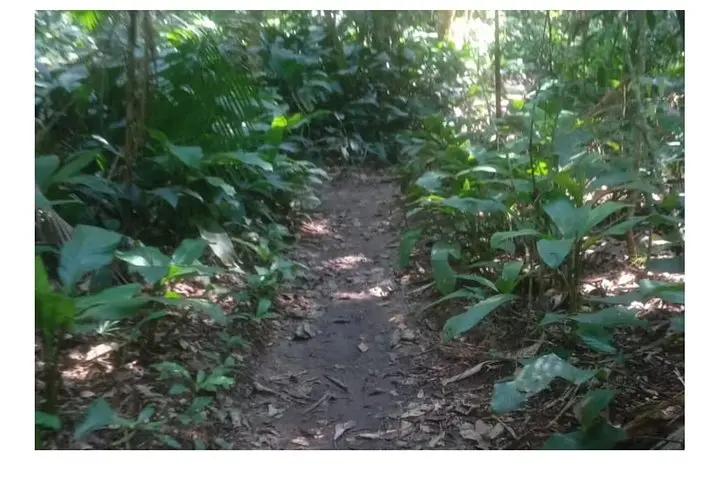
Step off the city streets and into a cooler world: the canopy closes behind you, humidity and birdsong replacing traffic hum as the trail leads toward Taunay Waterfall. Early light filters through towering Brazilwood and gum trees; coatis and small monkeys thread through the understory, keeping one eye on passing visitors.
Verified experiences and guided adventures in the surrounding area.
Operated by Kerotur Turismo e Eventos · Rio de Janeiro, Rio de Janeiro
Step off the city streets and into a cooler world: the canopy closes behind you, humidity and birdsong replacing traffic hum as the trail leads toward Taunay Waterfall. Early light filters through towering Brazilwood and gum trees; coatis and small monkeys thread through the understory, keeping one eye on passing visitors.
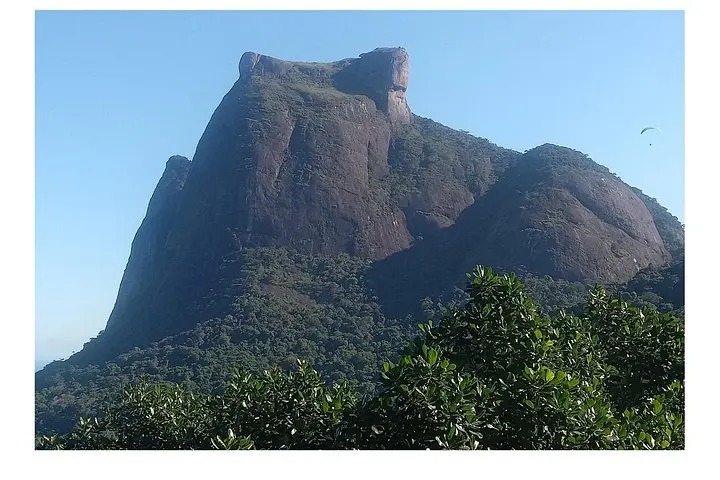
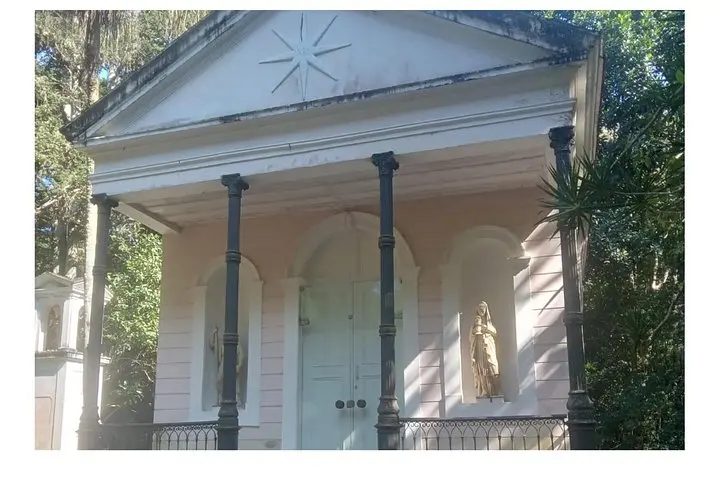
Tijuca is Brazil’s first federal urban park, carved during 19th-century reforestation projects that helped revive Rio’s watershed. Geologically the park sits atop old gneiss and granite outcrops; Pedra da Gávea, an 850‑meter coastal monolith seen from the ridge, reminds you this green pocket is held against the Atlantic. Cultural touches—like the small Mayrink chapel and the park’s visitors center—explain colonial-era forestry, coffee-era clearings, and modern conservation efforts.
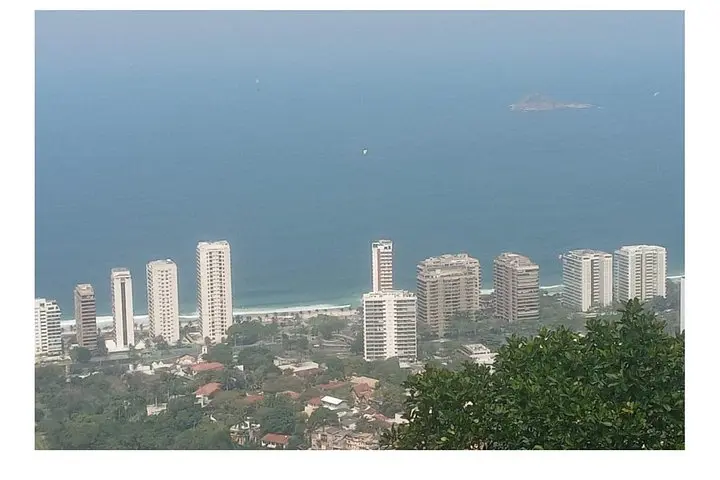
On this three‑trail itinerary you’ll see the 35‑meter Taunay cascade, mature Brazilwood specimens, and panoramic views of São Conrado and the ocean beyond. Trails are generally easy but can be uneven, muddy after rain, and full of roots.
Practical guide: plan for about six hours with frequent stops for photos and learning from your guide. Wear grippy footwear, bring 1.5–2 liters of water, insect repellent and a lightweight rain shell. Morning departures offer cooler temperatures and better wildlife sightings. Respect marked paths—many plant communities are fragile—and keep a safe distance from coatis and monkeys; feeding wildlife spreads disease.
This is a city escape that still feels wild: a walk that teaches as much as it refreshes, best experienced slowly and with sensible gear.
Trails on this guided route are rated easy but uneven; expect roots, short climbs, and some muddy patches—suitable for most people with moderate fitness.
Children can join but infants must sit on laps and the outing lasts about six hours; consider pace and sun exposure for younger kids.
Yes—Rio has bus and metro connections toward park access areas; confirm the guide’s meeting spot and allow extra time for traffic.
You may see coatis, small monkeys and a variety of birds; sightings aren’t guaranteed and feeding or approaching animals is prohibited for safety and conservation.
Kerotur Turismo e Eventos operates guided outdoor trips and adventures with an emphasis on safety, stewardship, and memorable experiences.
Step off the city streets and into a cooler world: the canopy closes behind you, humidity and birdsong replacing traffic hum as the trail leads toward Taunay Waterfall. Early light filters through towering Brazilwood and gum trees; coatis and small monkeys thread through the understory, keeping one eye on passing visitors.
Step off the city streets and into a cooler world: the canopy closes behind you, humidity and birdsong replacing traffic hum as the trail leads toward Taunay Waterfall. Early light filters through towering Brazilwood and gum trees; coatis and small monkeys thread through the understory, keeping one eye on passing visitors.
Tijuca is Brazil’s first federal urban park, carved during 19th-century reforestation projects that helped revive Rio’s watershed. Geologically the park sits atop old gneiss and granite outcrops; Pedra da Gávea, an 850‑meter coastal monolith seen from the ridge, reminds you this green pocket is held against the Atlantic. Cultural touches—like the small Mayrink chapel and the park’s visitors center—explain colonial-era forestry, coffee-era clearings, and modern conservation efforts.
On this three‑trail itinerary you’ll see the 35‑meter Taunay cascade, mature Brazilwood specimens, and panoramic views of São Conrado and the ocean beyond. Trails are generally easy but can be uneven, muddy after rain, and full of roots.
Practical guide: plan for about six hours with frequent stops for photos and learning from your guide. Wear grippy footwear, bring 1.5–2 liters of water, insect repellent and a lightweight rain shell. Morning departures offer cooler temperatures and better wildlife sightings. Respect marked paths—many plant communities are fragile—and keep a safe distance from coatis and monkeys; feeding wildlife spreads disease.
This is a city escape that still feels wild: a walk that teaches as much as it refreshes, best experienced slowly and with sensible gear.