THE ADVENTURE COLLECTIVE® · Independent discovery and booking for outdoor travel

Leave the city behind in under an hour and hike into one of the world’s largest urban forests. This four‑hour guided route visits Taunay and Cachoeira das Almas, weaving natural history with rugged trails and waterfall cool‑downs.
Leave the city behind in under an hour and hike into one of the world’s largest urban forests. This four‑hour guided route visits Taunay and Cachoeira das Almas, weaving natural history with rugged trails and waterfall cool‑downs.
The day begins at Praça Afonso Viseu where the city’s hum thins and the forest swallows the sound. A narrow trail slips into dense secondary rainforest, vines brushing packs as the guide leads toward Taunay and Cachoeira das Almas. Waterfalls roar and calm in alternating measures, the creeks daring you to edge closer for a cooler breath.
Verified experiences and guided adventures in the surrounding area.
Operated by Nattrip - Tourism, Ecotourism and Adventure in Rio de Janeiro · Rio de Janeiro, Rio de Janeiro
The day begins at Praça Afonso Viseu where the city’s hum thins and the forest swallows the sound. A narrow trail slips into dense secondary rainforest, vines brushing packs as the guide leads toward Taunay and Cachoeira das Almas. Waterfalls roar and calm in alternating measures, the creeks daring you to edge closer for a cooler breath.
Tijuca National Park covers roughly 3,972 hectares and is among the largest urban forests on the planet. Much of the canopy is the result of 19th‑century reforestation efforts to replace coffee plantations; rocky outcrops of granite and gneiss rise through the green, creating short steep pitches and natural lookout points. Local culture threads through the route—guides are often Carioca and point out plantation-era ruins, wartime lookout sites, and the park’s role in Rio’s urban identity.
Expect approximately 6–8 km of walking over uneven, often muddy trail with 200–400 m of cumulative elevation change depending on side paths. Terrain alternates packed earth, rooty singletrack and rock slabs near waterfalls; good traction is essential. The pace is steady: allow four hours to move between pools, viewpoints and the small Tijuca National Park Museum stop.
Practical notes: bring 1–1.5 L water, a light rain layer, and shoes with aggressive tread. Start early to avoid the midday heat and crowds; insect repellent helps in summer months. The tour suits people comfortable with sustained uphill and descending sections but is not technical—trekking poles can add confidence on wet rock. Guides manage route choice and timing; follow their lead near wet cliffs and fragile vegetation.
The trail is moderate: expect uneven ground, short steep sections and several stair-like rock pitches; no technical climbing required.
Swimming depends on current and guide assessment—only enter pools when the guide confirms they are safe.
Some options include hotel pickup and drop‑off; check your booking selection—transport is included only if you selected that option.
Minimum age is 14. Not recommended for those with serious heart conditions; the operator may refuse service to intoxicated guests.
Nattrip - Tourism, Ecotourism and Adventure in Rio de Janeiro operates guided outdoor trips and adventures with an emphasis on safety, stewardship, and memorable experiences.
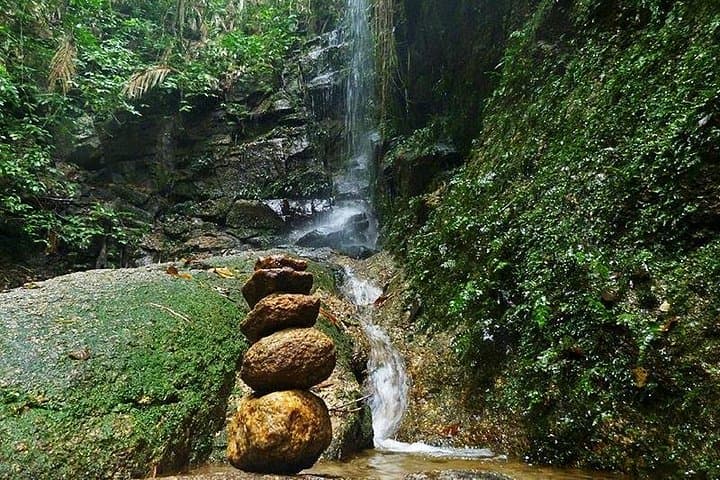

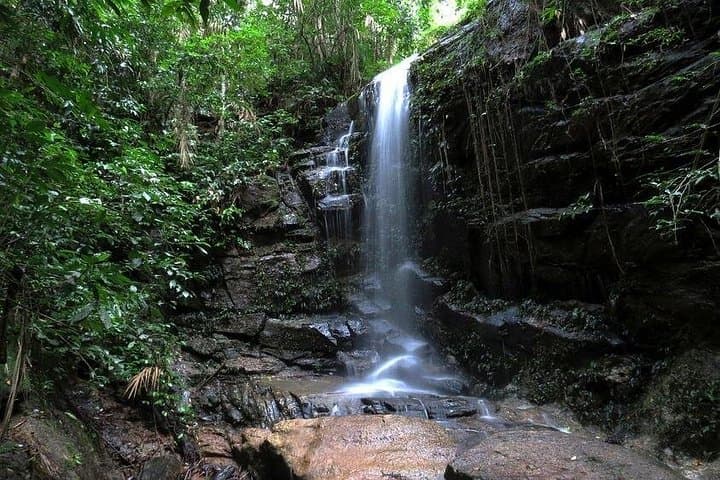
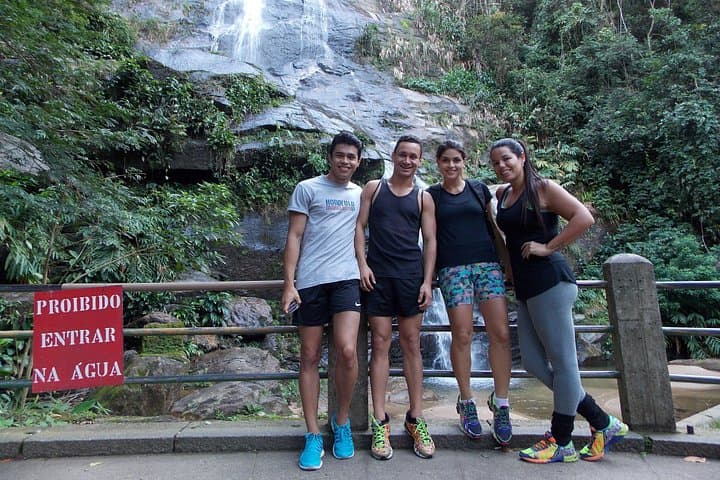
The day begins at Praça Afonso Viseu where the city’s hum thins and the forest swallows the sound. A narrow trail slips into dense secondary rainforest, vines brushing packs as the guide leads toward Taunay and Cachoeira das Almas. Waterfalls roar and calm in alternating measures, the creeks daring you to edge closer for a cooler breath.
The day begins at Praça Afonso Viseu where the city’s hum thins and the forest swallows the sound. A narrow trail slips into dense secondary rainforest, vines brushing packs as the guide leads toward Taunay and Cachoeira das Almas. Waterfalls roar and calm in alternating measures, the creeks daring you to edge closer for a cooler breath.
Tijuca National Park covers roughly 3,972 hectares and is among the largest urban forests on the planet. Much of the canopy is the result of 19th‑century reforestation efforts to replace coffee plantations; rocky outcrops of granite and gneiss rise through the green, creating short steep pitches and natural lookout points. Local culture threads through the route—guides are often Carioca and point out plantation-era ruins, wartime lookout sites, and the park’s role in Rio’s urban identity.
Expect approximately 6–8 km of walking over uneven, often muddy trail with 200–400 m of cumulative elevation change depending on side paths. Terrain alternates packed earth, rooty singletrack and rock slabs near waterfalls; good traction is essential. The pace is steady: allow four hours to move between pools, viewpoints and the small Tijuca National Park Museum stop.
Practical notes: bring 1–1.5 L water, a light rain layer, and shoes with aggressive tread. Start early to avoid the midday heat and crowds; insect repellent helps in summer months. The tour suits people comfortable with sustained uphill and descending sections but is not technical—trekking poles can add confidence on wet rock. Guides manage route choice and timing; follow their lead near wet cliffs and fragile vegetation.