THE ADVENTURE COLLECTIVE® · Independent discovery and booking for outdoor travel

Explore Tijuca National Park on a small-group morning tour that combines short hikes, six waterfalls, bat caves and panoramic lookouts—only 30 minutes from Copacabana. This guided outing balances wildlife viewing, local history and hands-on conservation guidance.
Explore Tijuca National Park on a small-group morning tour that combines short hikes, six waterfalls, bat caves and panoramic lookouts—only 30 minutes from Copacabana. This guided outing balances wildlife viewing, local history and hands-on conservation guidance.
You step out of an air-conditioned van into humid forest light—moss freckling the trunks, birds calling from the canopy, and the distant rush of waterfalls daring you deeper into the green. The guide, binoculars at the ready, maps a short loop: three easy 15-minute walks, one 45-minute push, bat caves, pools, and lookout points that throw the city and ocean into sudden frames.
Verified experiences and guided adventures in the surrounding area.
Operated by Experience Rio · Rio de Janeiro, Rio de Janeiro
You step out of an air-conditioned van into humid forest light—moss freckling the trunks, birds calling from the canopy, and the distant rush of waterfalls daring you deeper into the green. The guide, binoculars at the ready, maps a short loop: three easy 15-minute walks, one 45-minute push, bat caves, pools, and lookout points that throw the city and ocean into sudden frames.
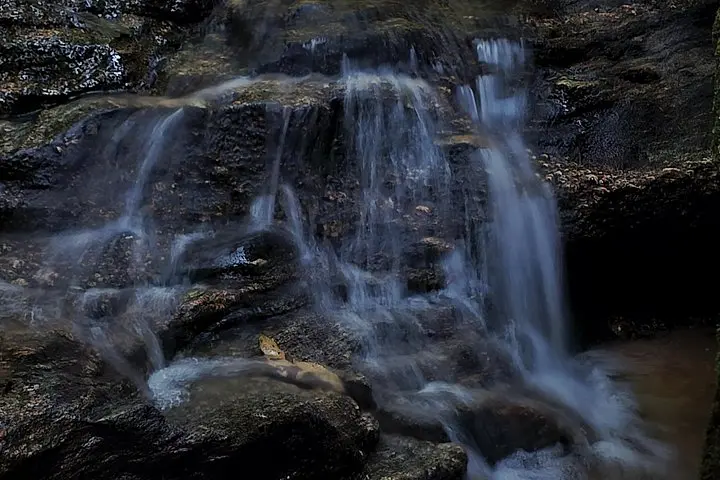
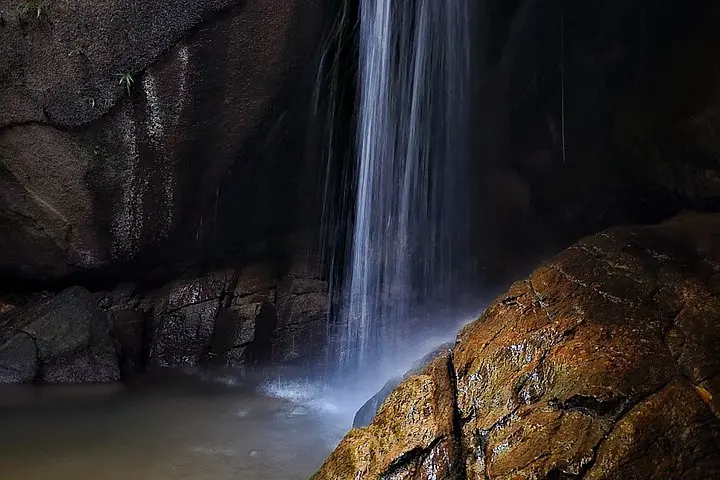
Tijuca is not pure wilderness; it is a reclaimed forest with a history. Mid-19th-century reforestation under Emperor Pedro II reversed earlier deforestation, creating one of the largest urban forests in the world. Geology here is steep gneiss and granite ridges carved by tropical rains; water finds narrow channels that become the falls you'll visit—Tuany, Horto, Baronesa and others—each fed by streams that descend abruptly toward the bay.
Culturally, Tijuca sits inside Rio’s municipal limits, a recreational lung where cariocas hike at dawn and families picnic near cascades. Guides on small-group tours share species ID, local folklore about caverns, and why the Chinese Lookout and Emperor’s Table became favored viewpoints.
Practical guidance: arrive early, wear grippy shoes for wet rock, and expect intermittent showers—bring a lightweight rain layer. The route mixes short, flat paths and one sustained uphill—moderate fitness keeps the day comfortable. Hydration is essential; bottled water and snacks are provided, but carry a refillable bottle to minimize plastic. Follow your guide’s instructions at caves and overlooks for safety and conservation.
Yes—this tour includes hotel or Airbnb pickup and drop-off within service zones; you’ll be asked for a pickup point when booking.
Some pools are suitable for swimming but rules vary by site and season; always follow the guide’s directions before entering the water.
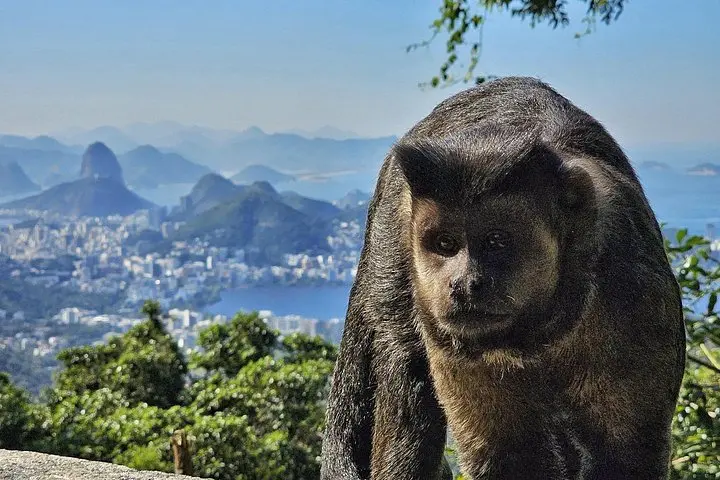
Common sightings include toucans, marmosets or capuchin monkeys, and sometimes sloths; sightings are never guaranteed but morning tours increase chances.
Not recommended—guides note this tour requires moderate fitness and is not suitable for those with significant spinal, knee, or heart issues.
Experience Rio operates guided outdoor trips and adventures with an emphasis on safety, stewardship, and memorable experiences.

You step out of an air-conditioned van into humid forest light—moss freckling the trunks, birds calling from the canopy, and the distant rush of waterfalls daring you deeper into the green. The guide, binoculars at the ready, maps a short loop: three easy 15-minute walks, one 45-minute push, bat caves, pools, and lookout points that throw the city and ocean into sudden frames.
You step out of an air-conditioned van into humid forest light—moss freckling the trunks, birds calling from the canopy, and the distant rush of waterfalls daring you deeper into the green. The guide, binoculars at the ready, maps a short loop: three easy 15-minute walks, one 45-minute push, bat caves, pools, and lookout points that throw the city and ocean into sudden frames.
Tijuca is not pure wilderness; it is a reclaimed forest with a history. Mid-19th-century reforestation under Emperor Pedro II reversed earlier deforestation, creating one of the largest urban forests in the world. Geology here is steep gneiss and granite ridges carved by tropical rains; water finds narrow channels that become the falls you'll visit—Tuany, Horto, Baronesa and others—each fed by streams that descend abruptly toward the bay.
Culturally, Tijuca sits inside Rio’s municipal limits, a recreational lung where cariocas hike at dawn and families picnic near cascades. Guides on small-group tours share species ID, local folklore about caverns, and why the Chinese Lookout and Emperor’s Table became favored viewpoints.
Practical guidance: arrive early, wear grippy shoes for wet rock, and expect intermittent showers—bring a lightweight rain layer. The route mixes short, flat paths and one sustained uphill—moderate fitness keeps the day comfortable. Hydration is essential; bottled water and snacks are provided, but carry a refillable bottle to minimize plastic. Follow your guide’s instructions at caves and overlooks for safety and conservation.