THE ADVENTURE COLLECTIVE® · Independent discovery and booking for outdoor travel

Leave Rio’s bustle for a 4–5 hour hike through Tijuca National Park, where waterfalls, colonial ruins and dense rainforest converge. This guided route mixes natural highlights with cultural history and practical trail knowledge for a rewarding half-day outing.
Leave Rio’s bustle for a 4–5 hour hike through Tijuca National Park, where waterfalls, colonial ruins and dense rainforest converge. This guided route mixes natural highlights with cultural history and practical trail knowledge for a rewarding half-day outing.
Dawn breaks over Rio’s skyline and the forest answers — leaves whisper, a stream dares you forward, and the path rises through shade that still smells of wet earth. You step from the city’s heat into an expanse of green where trails switchback between boulders, old stonework and sudden clearings with views back toward Corcovado.
Verified experiences and guided adventures in the surrounding area.
Operated by EcotuRio · Rio de Janeiro, Rio de Janeiro
Dawn breaks over Rio’s skyline and the forest answers — leaves whisper, a stream dares you forward, and the path rises through shade that still smells of wet earth. You step from the city’s heat into an expanse of green where trails switchback between boulders, old stonework and sudden clearings with views back toward Corcovado.
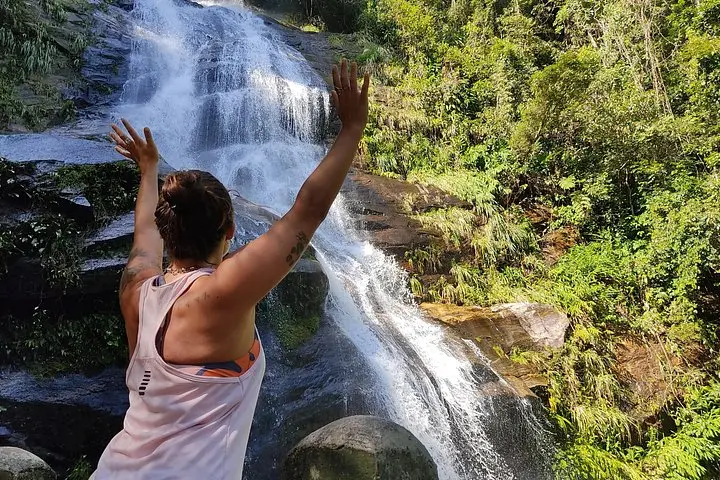
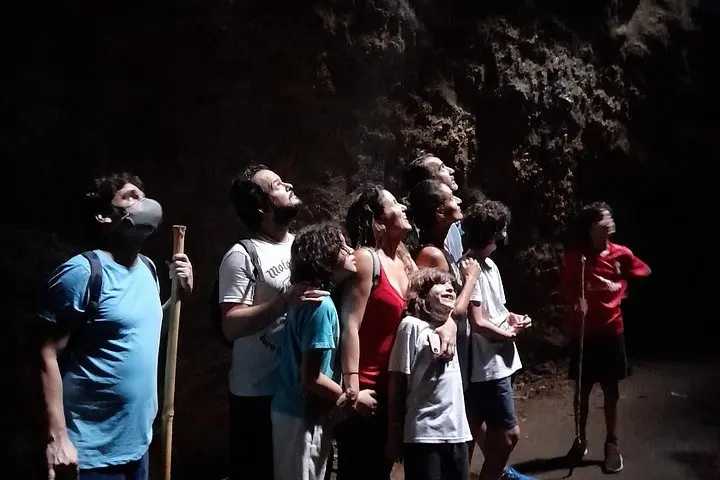
This tour follows routes through Tijuca National Park, one of the world’s largest urban rainforests. The itinerary threads colonial-era ruins and former coffee plantation terraces with natural highlights: a primary waterfall plunges roughly 35 meters, smaller cascades invite a quick swim, and hidden caves hint at the geology of granite inselbergs and fractured bedrock that shaped the ridgelines.
Culturally, Tijuca tells two stories: the extraction-era landscape and the 19th-century reforestation efforts that reclaimed the slopes, a rare conservation success story inside a megacity. Local guides bring those histories alive and point out endemic plants and the ways the park buffers Rio’s microclimates.
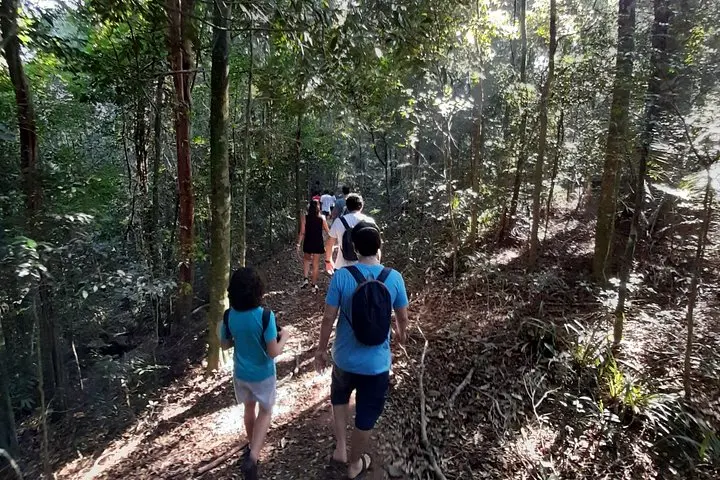
Practically, expect 4–5 hours on uneven, sometimes muddy trails, brief steep sections and river crossings after rain. Start early to avoid midday heat and maximize wildlife sightings, bring layered clothing for shifting conditions, and carry at least 1–2 liters of water and a light first-aid kit. Footwear with good grip is essential; a small drybag will keep electronics safe at the waterfalls. The walk balances steady effort with frequent stops for photos and short rests, making it accessible for reasonably fit hikers looking for a concentrated taste of Brazil’s urban wilderness.
The guided tour runs about 4–5 hours and is rated moderate: expect uneven terrain, short steep climbs and river crossings; a basic level of fitness is recommended.
Guides may permit short swims at designated pools; always follow guide instructions about safety and be aware that depth and currents change after rain.
Wildlife sightings are common but generally safe—keep distance from monkeys and birds, do not feed animals, and follow guide directions to avoid issues.
Public transportation and taxis reach Tijuca park entrances; your tour confirmation should include the meeting point details—allow extra time for traffic during peak hours.
EcotuRio operates guided outdoor trips and adventures with an emphasis on safety, stewardship, and memorable experiences.
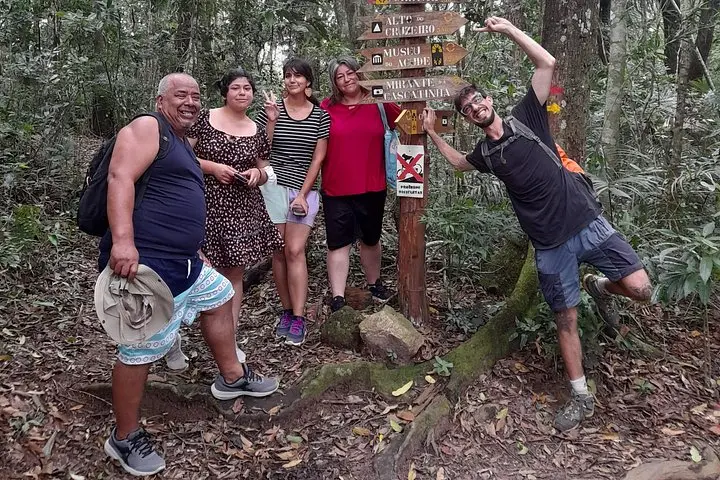
Dawn breaks over Rio’s skyline and the forest answers — leaves whisper, a stream dares you forward, and the path rises through shade that still smells of wet earth. You step from the city’s heat into an expanse of green where trails switchback between boulders, old stonework and sudden clearings with views back toward Corcovado.
Dawn breaks over Rio’s skyline and the forest answers — leaves whisper, a stream dares you forward, and the path rises through shade that still smells of wet earth. You step from the city’s heat into an expanse of green where trails switchback between boulders, old stonework and sudden clearings with views back toward Corcovado.
This tour follows routes through Tijuca National Park, one of the world’s largest urban rainforests. The itinerary threads colonial-era ruins and former coffee plantation terraces with natural highlights: a primary waterfall plunges roughly 35 meters, smaller cascades invite a quick swim, and hidden caves hint at the geology of granite inselbergs and fractured bedrock that shaped the ridgelines.
Culturally, Tijuca tells two stories: the extraction-era landscape and the 19th-century reforestation efforts that reclaimed the slopes, a rare conservation success story inside a megacity. Local guides bring those histories alive and point out endemic plants and the ways the park buffers Rio’s microclimates.
Practically, expect 4–5 hours on uneven, sometimes muddy trails, brief steep sections and river crossings after rain. Start early to avoid midday heat and maximize wildlife sightings, bring layered clothing for shifting conditions, and carry at least 1–2 liters of water and a light first-aid kit. Footwear with good grip is essential; a small drybag will keep electronics safe at the waterfalls. The walk balances steady effort with frequent stops for photos and short rests, making it accessible for reasonably fit hikers looking for a concentrated taste of Brazil’s urban wilderness.