THE ADVENTURE COLLECTIVE® · Independent discovery and booking for outdoor travel

A private full-day hike to Pico da Tijuca takes you from urban streets into an old-growth-feeling slice of the Atlantic Forest. This guided route climbs to 1,021 m with steep stair sections, panoramic city views and historical rockwork at the summit.
A private full-day hike to Pico da Tijuca takes you from urban streets into an old-growth-feeling slice of the Atlantic Forest. This guided route climbs to 1,021 m with steep stair sections, panoramic city views and historical rockwork at the summit.
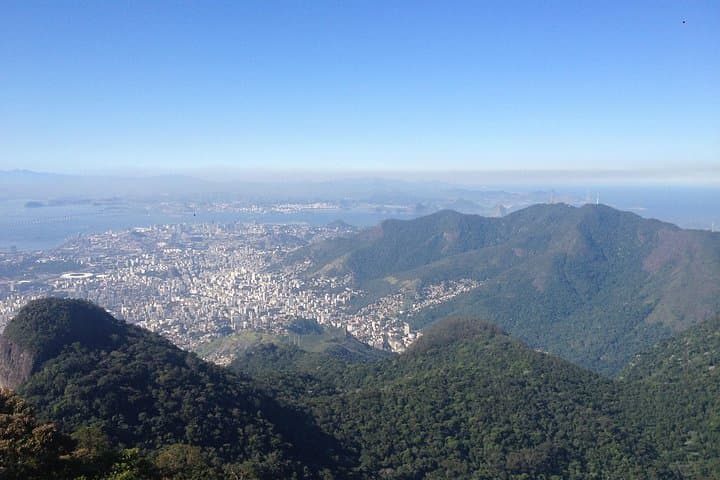
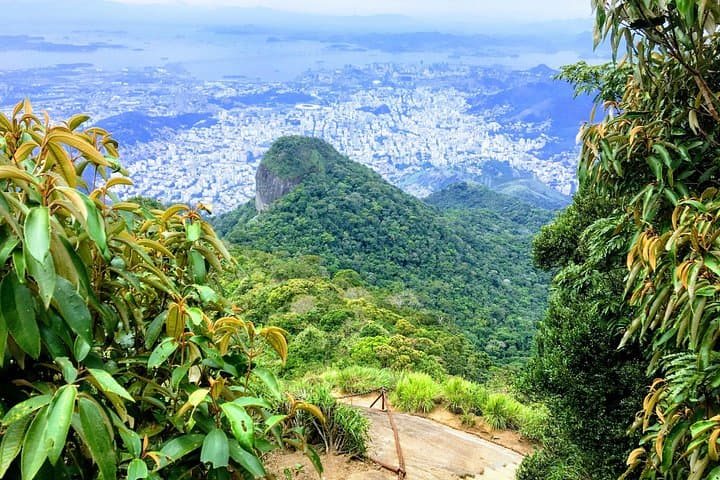
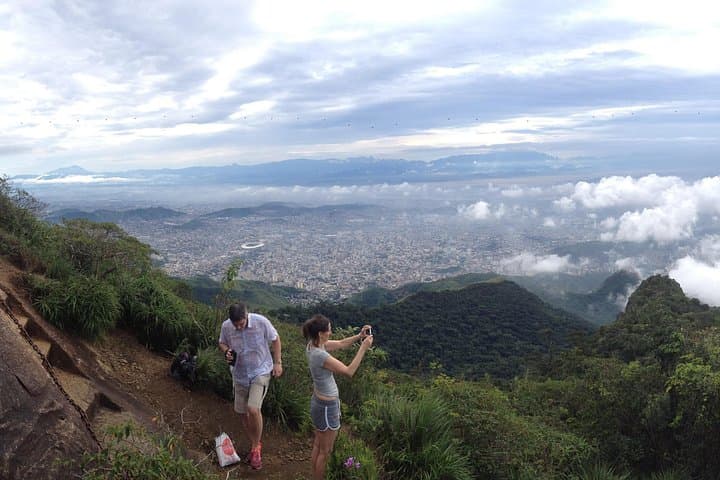
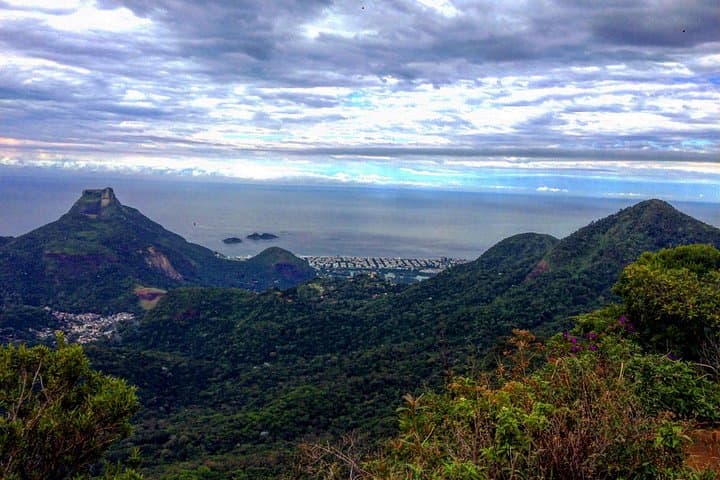
Fog clings to the upper ridges and the city’s noise thins to bird calls as the trail climbs toward Tijuca Peak. Hikers move through dense Atlantic Forest, roots and boulders marking a route that feels both urban and wild; when the canopy opens, Rio unfolds below — Maracanã, Barra da Tijuca and the broad curve of the coastline all visible from the summit.
Verified experiences and guided adventures in the surrounding area.
Operated by OIR - Aventura · Rio de Janeiro, Rio de Janeiro
Fog clings to the upper ridges and the city’s noise thins to bird calls as the trail climbs toward Tijuca Peak. Hikers move through dense Atlantic Forest, roots and boulders marking a route that feels both urban and wild; when the canopy opens, Rio unfolds below — Maracanã, Barra da Tijuca and the broad curve of the coastline all visible from the summit.
The peak (about 1,021 m) sits on rocks shaped by the Serra do Mar uplift, mostly hard metamorphic and granitic outcrops that force steep, rooted paths and sharp viewpoints. Tijuca National Park is a reclaimed forest — much of it replanted in the 19th century after agricultural clearing — and the area carries layers of history: a staircase of 117 steps carved into rock by enslaved workers for the King of Belgium’s visit stands near the top, a raw reminder of the city’s past.
Expect rainforest humidity, sudden sun breaks and the chatter of howler monkeys and toucans. The climb is steep in places, including iron stair sections and exposed rock benches; the guided private tour typically lasts 5–6 hours and includes bilingual guiding and transport.
Practical edge: wear sturdy hiking shoes with good traction, pack 1.5–2 liters of water, a lightweight rain shell and sun protection. Start early to avoid midday heat and give yourself time for photos at the summit viewpoint and the park’s taller waterfall stops. Leave no trace, respect local signs, and be prepared for slippery sections after rain.
The private tour runs about 5–6 hours including transport, stops for photos and short viewpoints; actual hiking time depends on pace and group.
Yes — the tour lists bilingual guiding and transportation as included in the booking.
Yes — expect steep trail segments and a carved staircase of 117 steps near the summit; the route has uneven rock and root sections.
The hike requires moderate fitness and stable footing; it is not recommended for those with serious heart or back problems and may be challenging for young children.
OIR - Aventura operates guided outdoor trips and adventures with an emphasis on safety, stewardship, and memorable experiences.
Fog clings to the upper ridges and the city’s noise thins to bird calls as the trail climbs toward Tijuca Peak. Hikers move through dense Atlantic Forest, roots and boulders marking a route that feels both urban and wild; when the canopy opens, Rio unfolds below — Maracanã, Barra da Tijuca and the broad curve of the coastline all visible from the summit.
Fog clings to the upper ridges and the city’s noise thins to bird calls as the trail climbs toward Tijuca Peak. Hikers move through dense Atlantic Forest, roots and boulders marking a route that feels both urban and wild; when the canopy opens, Rio unfolds below — Maracanã, Barra da Tijuca and the broad curve of the coastline all visible from the summit.
The peak (about 1,021 m) sits on rocks shaped by the Serra do Mar uplift, mostly hard metamorphic and granitic outcrops that force steep, rooted paths and sharp viewpoints. Tijuca National Park is a reclaimed forest — much of it replanted in the 19th century after agricultural clearing — and the area carries layers of history: a staircase of 117 steps carved into rock by enslaved workers for the King of Belgium’s visit stands near the top, a raw reminder of the city’s past.
Expect rainforest humidity, sudden sun breaks and the chatter of howler monkeys and toucans. The climb is steep in places, including iron stair sections and exposed rock benches; the guided private tour typically lasts 5–6 hours and includes bilingual guiding and transport.
Practical edge: wear sturdy hiking shoes with good traction, pack 1.5–2 liters of water, a lightweight rain shell and sun protection. Start early to avoid midday heat and give yourself time for photos at the summit viewpoint and the park’s taller waterfall stops. Leave no trace, respect local signs, and be prepared for slippery sections after rain.