THE ADVENTURE COLLECTIVE® · Independent discovery and booking for outdoor travel

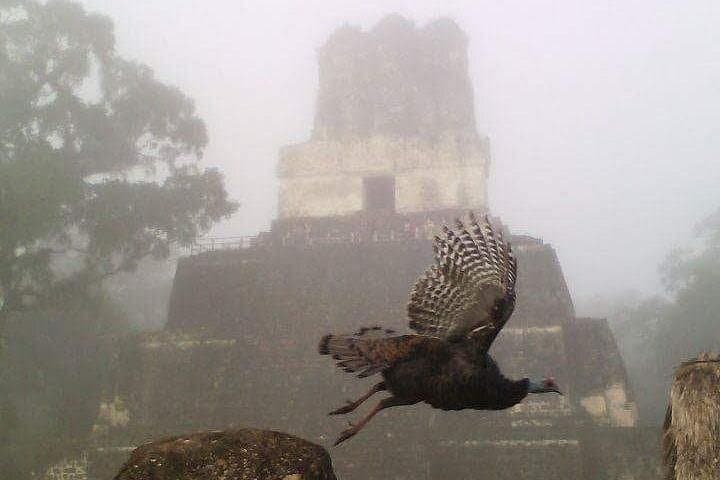
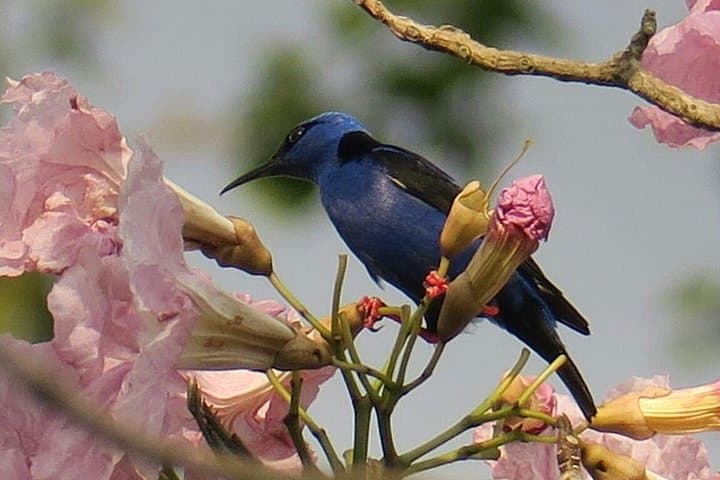
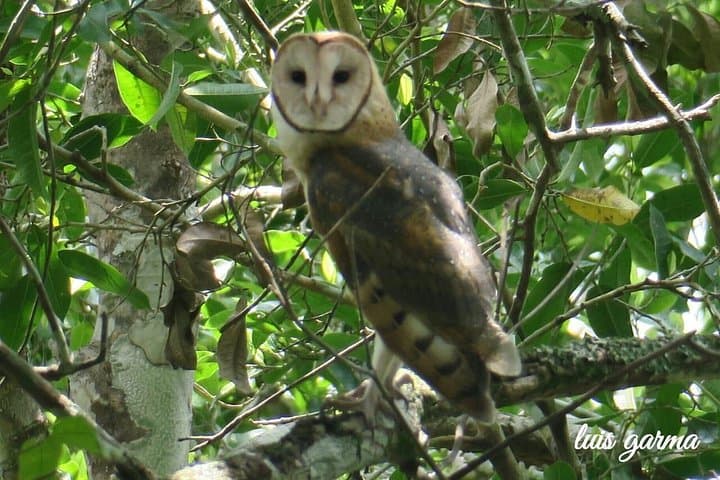
Pair dawn birdwatching with a walk through monumental Maya ruins inside Tikal National Park. This full-day tour blends ornithology and archaeology for a focused experience of wildlife, viewpoints and ancient architecture.
Pair dawn birdwatching with a walk through monumental Maya ruins inside Tikal National Park. This full-day tour blends ornithology and archaeology for a focused experience of wildlife, viewpoints and ancient architecture.
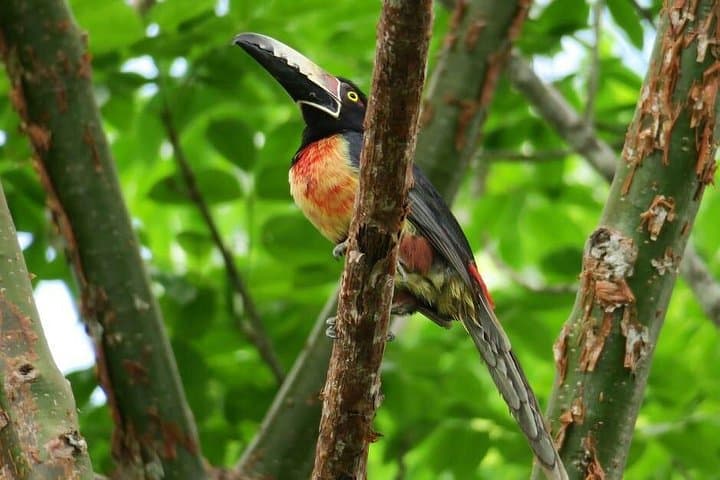
The jungle announces itself before you see anything: a high, layered chorus of calls and a humidity that pulls at your shirt. You enter Tikal at first light and the forest exhales—toucan calls ricochet between stone faces while troops of monkeys move like wind through the canopy. The ruins rise unexpectedly, their limestone blocks dark with age, plazas opening like quiet rooms in a living organism.
Verified experiences and guided adventures in the surrounding area.
Operated by Tikal Go · Flores, Petén
The jungle announces itself before you see anything: a high, layered chorus of calls and a humidity that pulls at your shirt. You enter Tikal at first light and the forest exhales—toucan calls ricochet between stone faces while troops of monkeys move like wind through the canopy. The ruins rise unexpectedly, their limestone blocks dark with age, plazas opening like quiet rooms in a living organism.
This is a place where natural history and human history share the same address. Archaeologists date human occupation here back to around 900 BCE, with Tikal’s Classic Period glory in the 6th–9th centuries CE when temples, plazas and ball courts defined the city. Geologically, you’re walking on uplifted limestone with sinkholes and seasonally flooded bajos that shape wildlife corridors. Culturally, the modern Maya communities of the Petén still influence local guides, names and stories—ask about the Sacred Ceiba and you’ll hear lineage and place-mapping in one answer.
Practical notes: the typical tour runs 6–12 hours and pairs long periods of quiet binocular work with short hikes over uneven stone and muddy forest trails. Expect early starts for best bird activity and to beat midday heat. Bring water, layered clothing for sudden showers, and long sleeves to deter insects. Guides here are trained to spot key species—look for keel-billed toucans, trogons and mixed-species flocks—and they’ll point out architectural features like the Central Acropolis and Temple IV viewpoint.
Respect trail closures, carry out waste, and keep a respectful distance from wildlife and ruins—your movements determine how well this place endures for the next visitor.
Plan to be inside the park at first light—around sunrise—to catch peak bird activity and cooler conditions on the trails.
Many tours include park admission; confirm at booking. Independent visitors must buy a ticket at the park entrance.
The tour is family-friendly but requires moderate mobility—expect uneven steps and periods of standing; check with the operator about private-transfer options.
Access rules vary by temple and season; some viewpoints like Temple IV may be open but always follow guide instructions and park regulations.
Tikal Go operates guided outdoor trips and adventures with an emphasis on safety, stewardship, and memorable experiences.
The jungle announces itself before you see anything: a high, layered chorus of calls and a humidity that pulls at your shirt. You enter Tikal at first light and the forest exhales—toucan calls ricochet between stone faces while troops of monkeys move like wind through the canopy. The ruins rise unexpectedly, their limestone blocks dark with age, plazas opening like quiet rooms in a living organism.
The jungle announces itself before you see anything: a high, layered chorus of calls and a humidity that pulls at your shirt. You enter Tikal at first light and the forest exhales—toucan calls ricochet between stone faces while troops of monkeys move like wind through the canopy. The ruins rise unexpectedly, their limestone blocks dark with age, plazas opening like quiet rooms in a living organism.
This is a place where natural history and human history share the same address. Archaeologists date human occupation here back to around 900 BCE, with Tikal’s Classic Period glory in the 6th–9th centuries CE when temples, plazas and ball courts defined the city. Geologically, you’re walking on uplifted limestone with sinkholes and seasonally flooded bajos that shape wildlife corridors. Culturally, the modern Maya communities of the Petén still influence local guides, names and stories—ask about the Sacred Ceiba and you’ll hear lineage and place-mapping in one answer.
Practical notes: the typical tour runs 6–12 hours and pairs long periods of quiet binocular work with short hikes over uneven stone and muddy forest trails. Expect early starts for best bird activity and to beat midday heat. Bring water, layered clothing for sudden showers, and long sleeves to deter insects. Guides here are trained to spot key species—look for keel-billed toucans, trogons and mixed-species flocks—and they’ll point out architectural features like the Central Acropolis and Temple IV viewpoint.
Respect trail closures, carry out waste, and keep a respectful distance from wildlife and ruins—your movements determine how well this place endures for the next visitor.