THE ADVENTURE COLLECTIVE® · Independent discovery and booking for outdoor travel

A 15-day traverse from the Annapurna foothills to Tilicho Lake and over Mesokanto La delivers raw high-altitude terrain, glacial basins, and close-up Himalayan panoramas. This guide outlines what to expect on trail, cultural touchpoints, and practical preparation for the pass.
A 15-day traverse from the Annapurna foothills to Tilicho Lake and over Mesokanto La delivers raw high-altitude terrain, glacial basins, and close-up Himalayan panoramas. This guide outlines what to expect on trail, cultural touchpoints, and practical preparation for the pass.
You crest a loose scree slope and the air thins; a turquoise bowl opens below, rimmed by jagged snow and prayer flags snapping like small alarms. Tilicho Lake sits like an unusual calm among the raw faces of the Annapurnas, and from its shore the trail points toward Mesokanto La — a narrow, often icy saddle above 5,100 m that will test legs and nerve.
Verified experiences and guided adventures in the surrounding area.
Operated by CAN Travels · Manang, Gandaki Province
You crest a loose scree slope and the air thins; a turquoise bowl opens below, rimmed by jagged snow and prayer flags snapping like small alarms. Tilicho Lake sits like an unusual calm among the raw faces of the Annapurnas, and from its shore the trail points toward Mesokanto La — a narrow, often icy saddle above 5,100 m that will test legs and nerve.
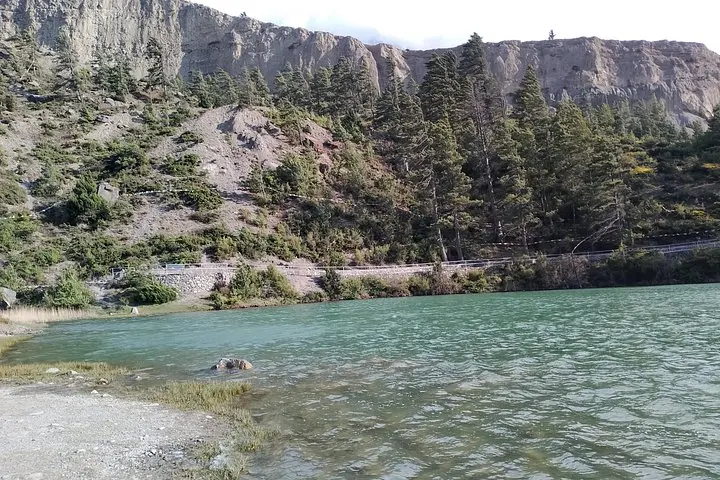
This route threads classic Annapurna geography: humid terraced valleys give way to dry, rain-shadow basins, moraines and glacial lakes. The Manang and Annapurna ranges tell a story of tectonic uplift and repeated glaciation; villages along the route reflect Gurung, Manangi and Thakali culture with mani walls, monasteries and mountain rituals. Tilicho has religious significance in Hindu texts and local pilgrimage lore, and Mesokanto La has long been a trade and seasonal shepherding corridor.
Expect long uphill days, narrow terraces, sections of loose scree, and at times packed snow; altitude is the main objective hazard. Trail surfaces vary from well-worn stone steps to exposed traverses. Plan for slow ascents, active acclimatization days in Manang, and early starts for high-pass crossings when snow is firmer. Hydrate deliberately, layer for fierce alpine sun and cold wind, and use trekking poles for loose slopes and scree. Local guesthouses provide simple meals and warm dinners — bring a good sleeping bag rated for subzero nights.
This trek rewards with raw high-altitude panoramas, a sense of remoteness, and cultural contact that frames the mountains as more than just a backdrop.
Most summer and fall crossings require good boots and poles; crampons and an ice axe may be needed if the pass is icy — guides will assess conditions and advise.
Altitude is the primary challenge: routine acclimatization (slow ascent, rest day in Manang) is essential; watch for symptoms of AMS and descend if they worsen.
Simple teahouses and guesthouses offering bed, blanket and basic meals; facilities are modest, with shared bathrooms and limited hot water at higher sites.
Experienced solo trekkers can do it, but hiring a guide or joining a group is recommended for navigation, high-altitude safety, and permit handling.
CAN Travels operates guided outdoor trips and adventures with an emphasis on safety, stewardship, and memorable experiences.
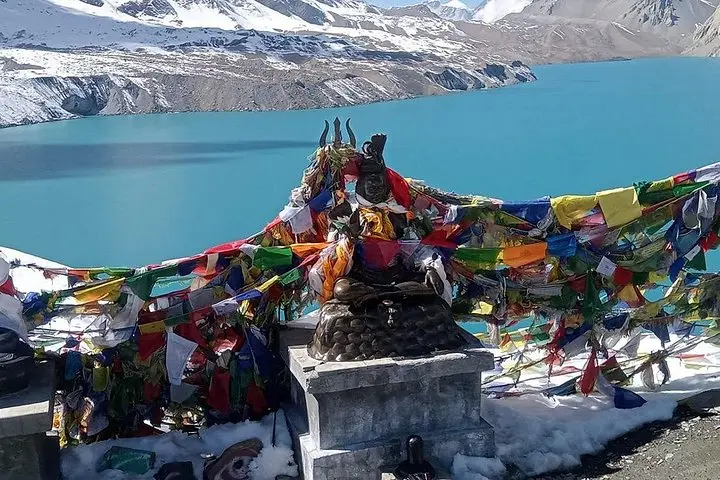
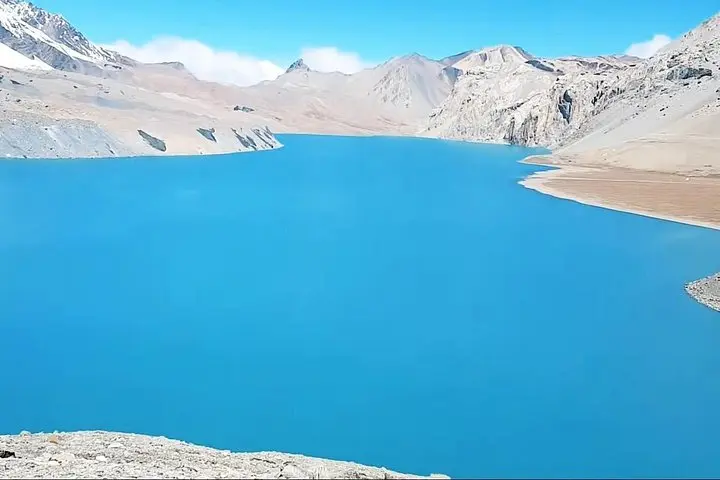
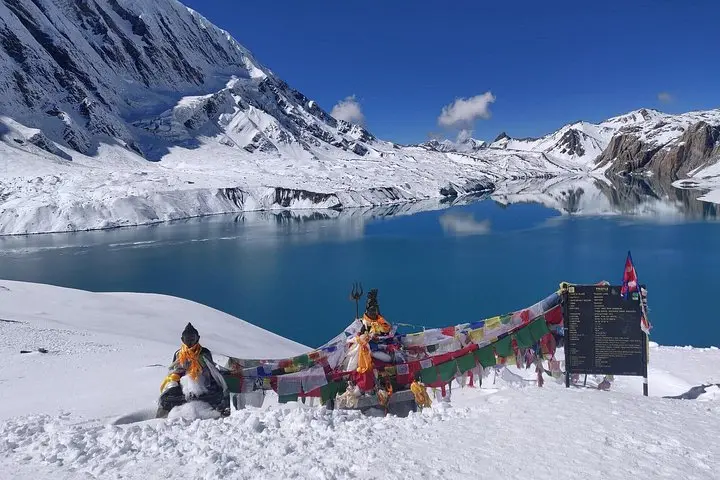
You crest a loose scree slope and the air thins; a turquoise bowl opens below, rimmed by jagged snow and prayer flags snapping like small alarms. Tilicho Lake sits like an unusual calm among the raw faces of the Annapurnas, and from its shore the trail points toward Mesokanto La — a narrow, often icy saddle above 5,100 m that will test legs and nerve.
You crest a loose scree slope and the air thins; a turquoise bowl opens below, rimmed by jagged snow and prayer flags snapping like small alarms. Tilicho Lake sits like an unusual calm among the raw faces of the Annapurnas, and from its shore the trail points toward Mesokanto La — a narrow, often icy saddle above 5,100 m that will test legs and nerve.
This route threads classic Annapurna geography: humid terraced valleys give way to dry, rain-shadow basins, moraines and glacial lakes. The Manang and Annapurna ranges tell a story of tectonic uplift and repeated glaciation; villages along the route reflect Gurung, Manangi and Thakali culture with mani walls, monasteries and mountain rituals. Tilicho has religious significance in Hindu texts and local pilgrimage lore, and Mesokanto La has long been a trade and seasonal shepherding corridor.
Expect long uphill days, narrow terraces, sections of loose scree, and at times packed snow; altitude is the main objective hazard. Trail surfaces vary from well-worn stone steps to exposed traverses. Plan for slow ascents, active acclimatization days in Manang, and early starts for high-pass crossings when snow is firmer. Hydrate deliberately, layer for fierce alpine sun and cold wind, and use trekking poles for loose slopes and scree. Local guesthouses provide simple meals and warm dinners — bring a good sleeping bag rated for subzero nights.
This trek rewards with raw high-altitude panoramas, a sense of remoteness, and cultural contact that frames the mountains as more than just a backdrop.