THE ADVENTURE COLLECTIVE® · Independent discovery and booking for outdoor travel

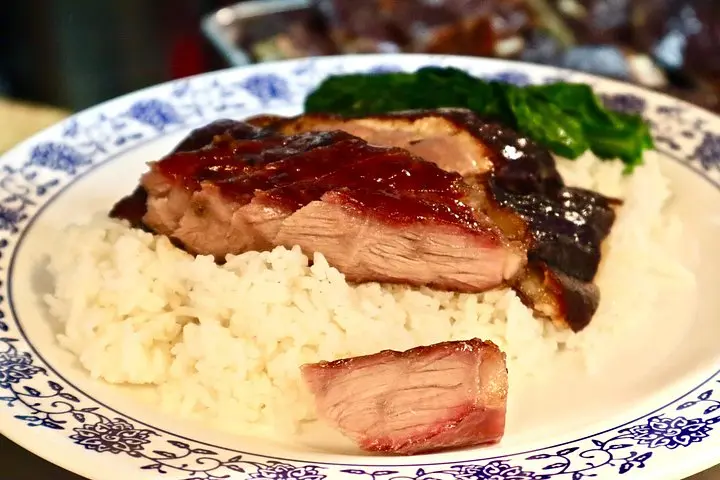
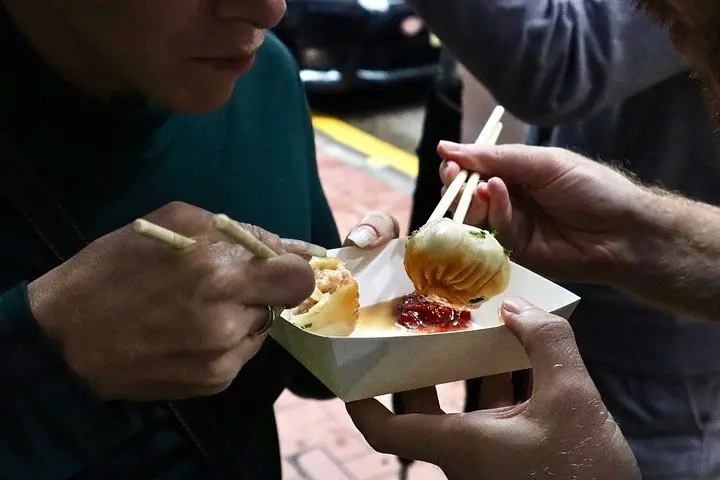
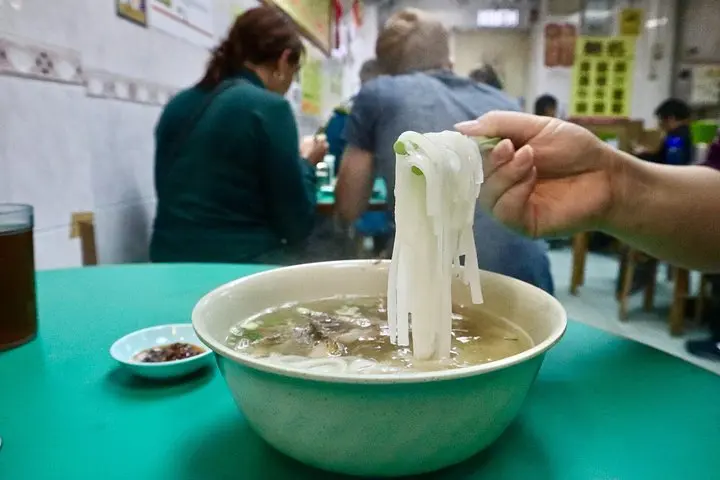
Walk Tin Hau’s lively lanes with a local guide and sample 7+ tastings from beef brisket soup to roasted goose and secret sweets. This three-hour urban food walk mixes cultural notes, market visits, and small-venue discoveries within Causeway Bay’s transit-friendly grid.
Walk Tin Hau’s lively lanes with a local guide and sample 7+ tastings from beef brisket soup to roasted goose and secret sweets. This three-hour urban food walk mixes cultural notes, market visits, and small-venue discoveries within Causeway Bay’s transit-friendly grid.
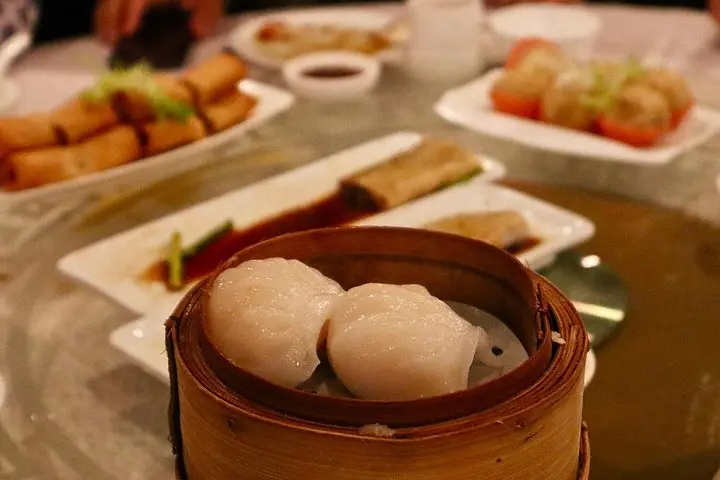
The street lights of Tin Hau warm the pavement as the tour begins; steam rises from claypots, a harbor breeze dares you to lean in, and the chatter of vendors forms the tour's pulse. You move through narrow lanes where roasted goose hangs like a promise and dim sum arrives still-sighing from bamboo steamers.
Verified experiences and guided adventures in the surrounding area.
Operated by Secret Food Tours · Hong Kong (Tin Hau / Causeway Bay), Hong Kong SAR
The street lights of Tin Hau warm the pavement as the tour begins; steam rises from claypots, a harbor breeze dares you to lean in, and the chatter of vendors forms the tour's pulse. You move through narrow lanes where roasted goose hangs like a promise and dim sum arrives still-sighing from bamboo steamers.
Tin Hau sits on the north shore of Hong Kong Island, an area shaped by reclamation and busy harbor trade. The neighborhood grew around the Tin Hau Temple, a local landmark, and its streets reflect waves of migration—Cantonese roots blended with northern and western influences, visible on menus and in teahouse rituals.
Geology here is urban: reclaimed shorelines, granite outcrops visible in parks, and a coastline pushed back over decades to meet the city’s appetite. Culture is tactile—wet markets, incense at temples, and the pause of locals pouring tea. Local guides point out the Tai Hang Fire Dragon Dance route and explain how colonial-era schools and libraries shaped the district.
Practical guidance: expect roughly three hours of mostly flat walking on sidewalks and market alleys, with multiple short stops at small venues. Bring cash for small purchases even if tastings are included, wear comfortable shoes, and pace your tasting—many stops serve rich dishes. Hydration is essential; Hong Kong humidity intensifies flavors and thirst alike. If you have dietary restrictions, contact the operator beforehand so they can adjust stops. The tour suits curious eaters who want a compact, sensory-led introduction to Hong Kong foodways without straying far from transit links.
The tour lasts about 3 hours and involves mostly flat walking through Tin Hau and adjacent Causeway Bay streets, roughly 2–3 miles with frequent stops.
Tastings are designed to offer a variety of flavors rather than a single full meal; you may still want a later sit-down meal depending on appetite.
Yes—contact the operator in advance so they can modify stops; severe allergies should be discussed before booking.
Yes—the area is served by MTR stations (Tin Hau and Causeway Bay) and multiple bus routes, making arrival and departure straightforward.
Secret Food Tours operates guided outdoor trips and adventures with an emphasis on safety, stewardship, and memorable experiences.
The street lights of Tin Hau warm the pavement as the tour begins; steam rises from claypots, a harbor breeze dares you to lean in, and the chatter of vendors forms the tour's pulse. You move through narrow lanes where roasted goose hangs like a promise and dim sum arrives still-sighing from bamboo steamers.
The street lights of Tin Hau warm the pavement as the tour begins; steam rises from claypots, a harbor breeze dares you to lean in, and the chatter of vendors forms the tour's pulse. You move through narrow lanes where roasted goose hangs like a promise and dim sum arrives still-sighing from bamboo steamers.
Tin Hau sits on the north shore of Hong Kong Island, an area shaped by reclamation and busy harbor trade. The neighborhood grew around the Tin Hau Temple, a local landmark, and its streets reflect waves of migration—Cantonese roots blended with northern and western influences, visible on menus and in teahouse rituals.
Geology here is urban: reclaimed shorelines, granite outcrops visible in parks, and a coastline pushed back over decades to meet the city’s appetite. Culture is tactile—wet markets, incense at temples, and the pause of locals pouring tea. Local guides point out the Tai Hang Fire Dragon Dance route and explain how colonial-era schools and libraries shaped the district.
Practical guidance: expect roughly three hours of mostly flat walking on sidewalks and market alleys, with multiple short stops at small venues. Bring cash for small purchases even if tastings are included, wear comfortable shoes, and pace your tasting—many stops serve rich dishes. Hydration is essential; Hong Kong humidity intensifies flavors and thirst alike. If you have dietary restrictions, contact the operator beforehand so they can adjust stops. The tour suits curious eaters who want a compact, sensory-led introduction to Hong Kong foodways without straying far from transit links.