THE ADVENTURE COLLECTIVE® · Independent discovery and booking for outdoor travel

Spend a day between the verdant Tiout Oasis and the ancient walls of Taroudant: walk palm-shaded paths, climb to a kasbah lookout, and explore low-key souks where Berber and Arab traditions meet. This guided day trip blends natural scenery with authentic local life.
Spend a day between the verdant Tiout Oasis and the ancient walls of Taroudant: walk palm-shaded paths, climb to a kasbah lookout, and explore low-key souks where Berber and Arab traditions meet. This guided day trip blends natural scenery with authentic local life.
A sun-warmed wind pushes through palm fronds as the minivan slides off the main road and into a green crease of the Souss Valley—Tiout Oasis arrives like a secret held at the edge of centuries.
Verified experiences and guided adventures in the surrounding area.
Operated by Agadir Travel Excursions · Taroudant, Souss-Massa
A sun-warmed wind pushes through palm fronds as the minivan slides off the main road and into a green crease of the Souss Valley—Tiout Oasis arrives like a secret held at the edge of centuries.
Visitors begin among water channels and tall date palms fed by underground springs; the paths are dirt and stone, one to three kilometers of easy walking broken by the clack of donkey hooves and the steep steps up to an old kasbah. From that low ridge the valley opens toward the High Atlas foothills—an immediate lesson in the region’s geology where red earth and alluvial fans meet human-irrigated green.
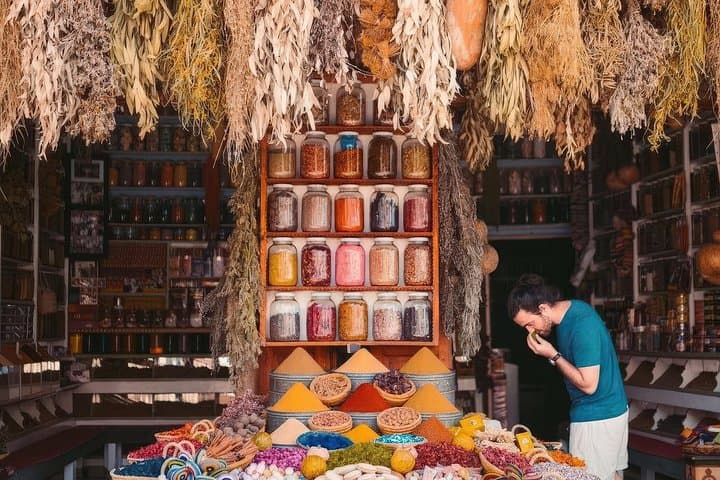
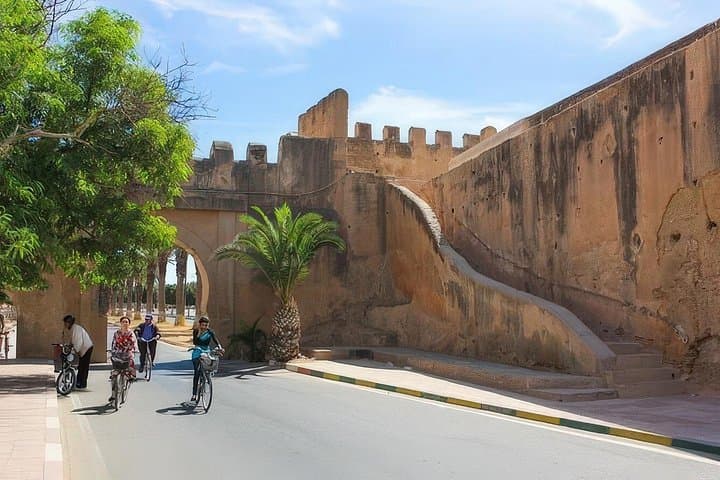
Taroudant follows, a compact walled city long traded through by Berber and Arab caravans. The town’s ramparts frame bustling souks, spice stalls, and craftsmen at work, offering a clearer slice of daily Moroccan life than the bigger tourist centers. Cultural notes: Tiout’s kasbah architecture and the local irrigation system reflect Berber land use; Taroudant has been a commercial hub for centuries and retains a more local rhythm than Marrakech.
Practical guidance: this is a full-day, 8–10 hour tour with vehicle transfers, a moderate amount of walking on uneven terrain, and short climbs to viewpoints (roughly 50–150 m elevation change). Expect dusty lanes, hot sun in summer, and comfortable temperatures in spring and fall. Bring water, sun protection, sturdy shoes, and modest clothing for market and home visits. The guided format includes lunch and local interactions—ideal for travelers who want cultural context without extensive planning.
Most departures are from Agadir or nearby hotels; the tour is full-day and returns to the original pickup point in the evening.
Yes with caveats—children and older guests should be able to manage several hours of walking and short climbs; infant seats are sometimes available if requested.
Lunch is included as stated; bring extra cash for snacks, souvenirs, and additional drinks.
Guides typically speak at least English and French; confirm language needs when booking to ensure a matching guide.
Agadir Travel Excursions operates guided outdoor trips and adventures with an emphasis on safety, stewardship, and memorable experiences.


A sun-warmed wind pushes through palm fronds as the minivan slides off the main road and into a green crease of the Souss Valley—Tiout Oasis arrives like a secret held at the edge of centuries.
A sun-warmed wind pushes through palm fronds as the minivan slides off the main road and into a green crease of the Souss Valley—Tiout Oasis arrives like a secret held at the edge of centuries.
Visitors begin among water channels and tall date palms fed by underground springs; the paths are dirt and stone, one to three kilometers of easy walking broken by the clack of donkey hooves and the steep steps up to an old kasbah. From that low ridge the valley opens toward the High Atlas foothills—an immediate lesson in the region’s geology where red earth and alluvial fans meet human-irrigated green.
Taroudant follows, a compact walled city long traded through by Berber and Arab caravans. The town’s ramparts frame bustling souks, spice stalls, and craftsmen at work, offering a clearer slice of daily Moroccan life than the bigger tourist centers. Cultural notes: Tiout’s kasbah architecture and the local irrigation system reflect Berber land use; Taroudant has been a commercial hub for centuries and retains a more local rhythm than Marrakech.
Practical guidance: this is a full-day, 8–10 hour tour with vehicle transfers, a moderate amount of walking on uneven terrain, and short climbs to viewpoints (roughly 50–150 m elevation change). Expect dusty lanes, hot sun in summer, and comfortable temperatures in spring and fall. Bring water, sun protection, sturdy shoes, and modest clothing for market and home visits. The guided format includes lunch and local interactions—ideal for travelers who want cultural context without extensive planning.