THE ADVENTURE COLLECTIVE® · Independent discovery and booking for outdoor travel

Walk Kyoto’s lantern-lit alleys with a local guide, stopping at hidden izakayas and river-front bars most tourists miss. Taste traditional snacks and sake while learning neighborhood etiquette and the geisha-era history behind Gion’s preserved streets.
Walk Kyoto’s lantern-lit alleys with a local guide, stopping at hidden izakayas and river-front bars most tourists miss. Taste traditional snacks and sake while learning neighborhood etiquette and the geisha-era history behind Gion’s preserved streets.
Night in Kyoto arrives like a slow exhale: lanterns ignite along wooden eaves, the Shirakawa River pushes a cool current past low stone bridges, and the air picks up a savory mix of grilled skewers and soy. On the Tipsy Kyoto Night Tour you walk these streets with a local who knows which narrow alleys hum and which izakayas still pour generous rounds.
Verified experiences and guided adventures in the surrounding area.
Operated by Tipsy Kyoto Night Tour · Kyoto, Kyoto Prefecture
Night in Kyoto arrives like a slow exhale: lanterns ignite along wooden eaves, the Shirakawa River pushes a cool current past low stone bridges, and the air picks up a savory mix of grilled skewers and soy. On the Tipsy Kyoto Night Tour you walk these streets with a local who knows which narrow alleys hum and which izakayas still pour generous rounds.
Kyoto’s grid holds layers of history — the imperial capital for centuries, its Gion district preserves tea-house architecture and geisha culture shaped since the Edo period. The city sits on an old basin ringed by low hills; geology here means quiet river valleys that channel evening breezes and concentrate the sounds of footsteps and conversation. Culture shows up in small ways: bowing servers, laminated sake menus, and hand-painted noren curtains signaling a family-run bar.
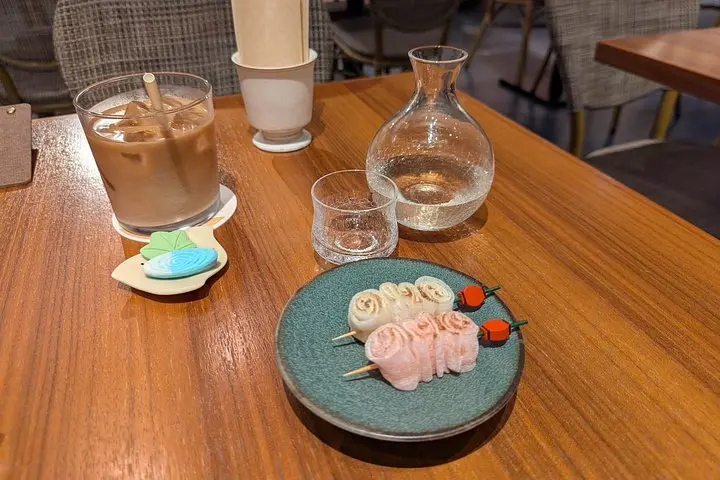
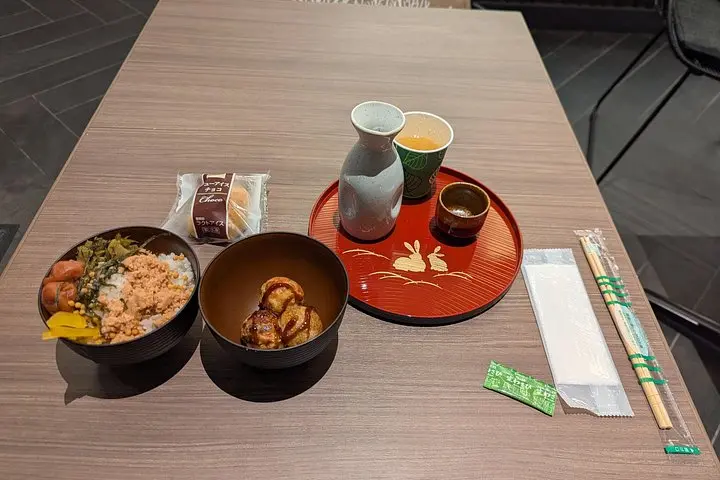
Expect a mix of tastes and textures: yakitori smoke, tiny plates of simmered fish, and sake served from ceramic carafes. The guide steers you toward neighborhood favorites where locals drink, avoiding tourist traps while explaining etiquette: remove hats, speak softly near residential entrances, and tip with gratitude rather than cash left on counters.
Practical notes: wear broken-in shoes for cobblestones and narrow steps, carry cash for tiny bars that don’t take cards, and plan for 1–3 hours depending on how many stops you choose. If you want quieter streets, start earlier in the evening; for livelier atmosphere, aim later when lanterns and conversations are at full volume.
Yes — the tour commonly welcomes solo travelers and small groups; guides are used to introducing guests and facilitating conversation.
No — you can opt for non-alcoholic options at izakayas; guides will accommodate preferences but cannot guarantee special dietary accommodation.
Duration varies (1–3 hours); exact end time depends on start time and number of stops—confirm when booking and check last train schedules if returning late.
Many alleys and older buildings have steps and narrow entrances; accessibility is limited—contact the operator to discuss specific needs before booking.
Tipsy Kyoto Night Tour operates guided outdoor trips and adventures with an emphasis on safety, stewardship, and memorable experiences.


Night in Kyoto arrives like a slow exhale: lanterns ignite along wooden eaves, the Shirakawa River pushes a cool current past low stone bridges, and the air picks up a savory mix of grilled skewers and soy. On the Tipsy Kyoto Night Tour you walk these streets with a local who knows which narrow alleys hum and which izakayas still pour generous rounds.
Night in Kyoto arrives like a slow exhale: lanterns ignite along wooden eaves, the Shirakawa River pushes a cool current past low stone bridges, and the air picks up a savory mix of grilled skewers and soy. On the Tipsy Kyoto Night Tour you walk these streets with a local who knows which narrow alleys hum and which izakayas still pour generous rounds.
Kyoto’s grid holds layers of history — the imperial capital for centuries, its Gion district preserves tea-house architecture and geisha culture shaped since the Edo period. The city sits on an old basin ringed by low hills; geology here means quiet river valleys that channel evening breezes and concentrate the sounds of footsteps and conversation. Culture shows up in small ways: bowing servers, laminated sake menus, and hand-painted noren curtains signaling a family-run bar.
Expect a mix of tastes and textures: yakitori smoke, tiny plates of simmered fish, and sake served from ceramic carafes. The guide steers you toward neighborhood favorites where locals drink, avoiding tourist traps while explaining etiquette: remove hats, speak softly near residential entrances, and tip with gratitude rather than cash left on counters.
Practical notes: wear broken-in shoes for cobblestones and narrow steps, carry cash for tiny bars that don’t take cards, and plan for 1–3 hours depending on how many stops you choose. If you want quieter streets, start earlier in the evening; for livelier atmosphere, aim later when lanterns and conversations are at full volume.