THE ADVENTURE COLLECTIVE® · Independent discovery and booking for outdoor travel

Explore Ubud’s rice terraces, artisan villages, and ancient temples on a private full-day tour. From Tegalalang’s carved paddies to the sacred springs of Tirta Empul and the cliff shrines of Gunung Kawi, this route combines culture, geology, and hands-on local encounters.
Explore Ubud’s rice terraces, artisan villages, and ancient temples on a private full-day tour. From Tegalalang’s carved paddies to the sacred springs of Tirta Empul and the cliff shrines of Gunung Kawi, this route combines culture, geology, and hands-on local encounters.
A thin mist lifts off the valley as your driver threads the narrow roads north of Ubud. Rice terraces slope away like layered steps, temple roofs puncture the skyline and the air smells of wet earth and incense. On a private tour that moves at your pace, the scene shifts from craft villages to sacred springs: metalworkers hammer in Celuk, weavers in Tohpati lay out dyed cloth, then you stand at a stone basin as water pours from carved spouts at Tirta Empul.
Verified experiences and guided adventures in the surrounding area.
Operated by Sewa Mobil Bali · Ubud, Bali
A thin mist lifts off the valley as your driver threads the narrow roads north of Ubud. Rice terraces slope away like layered steps, temple roofs puncture the skyline and the air smells of wet earth and incense. On a private tour that moves at your pace, the scene shifts from craft villages to sacred springs: metalworkers hammer in Celuk, weavers in Tohpati lay out dyed cloth, then you stand at a stone basin as water pours from carved spouts at Tirta Empul.
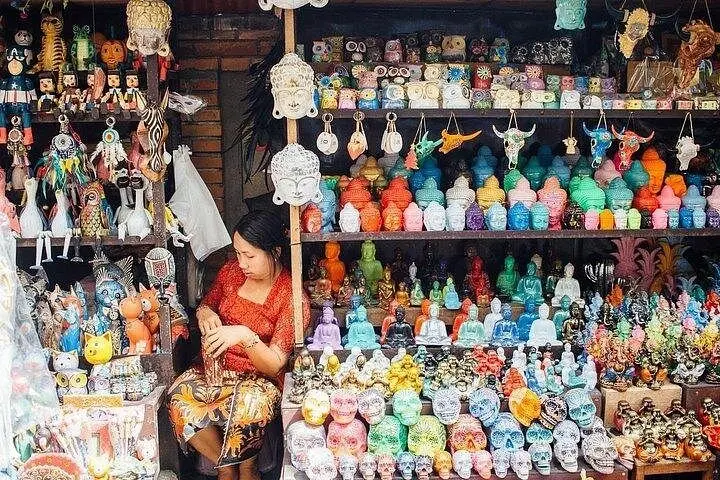
These sites sit on volcanic soils carved by centuries of cultivation and ritual. The Subak irrigation system shapes the Tegalalang terraces, while Gunung Kawi’s cliff-cut shrines date to the 11th century, carved into the bedrock as offerings to past rulers. Ubud Market and surrounding artisan villages—Batuan, Mas, Kemenuh—keep Bali’s craft economy visible; bargaining and small altars are part of the rhythm.
Practical notes: the full itinerary runs roughly 8–10 hours by private car with walking at each stop—expect uneven stone steps at temple sites and muddy trails after rain. Temple entry fees and ritual sarongs are usually paid on-site; your driver handles parking and navigation but not admissions. Carry water, modest clothing for temple visits (sarong and sash available for rent at many sites), and small bills for donations and market purchases. Start early to avoid mid-day heat and crowds: light filters best in the morning, and the water at Tirta Empul feels colder and more purposeful then.
This is a day for slow observation—listen for the rhythm of irrigation channels, watch monks and farmers move through the same landscape, and let the island’s layers of culture and geology shape the pace of your visit.
Admissions are typically not included; fees and optional donations are paid on-site and vary by temple.
Yes — this is a private car tour with driver; parking and petrol are covered but admissions are separate.
Yes — visitors may join the water purification if they follow local rules (modest dress, respectful behavior); staff at the site will guide proper procedure.
Generally yes — the tour is classified as easy, but some sites have steep steps and uneven paths; notify the operator of mobility needs in advance.
Sewa Mobil Bali operates guided outdoor trips and adventures with an emphasis on safety, stewardship, and memorable experiences.
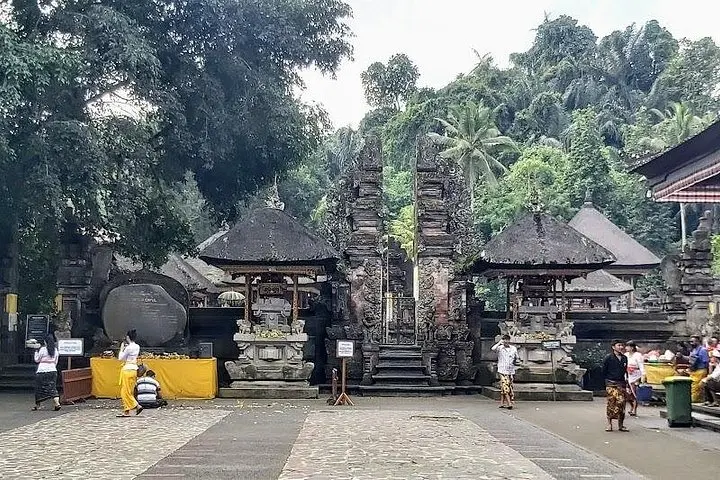
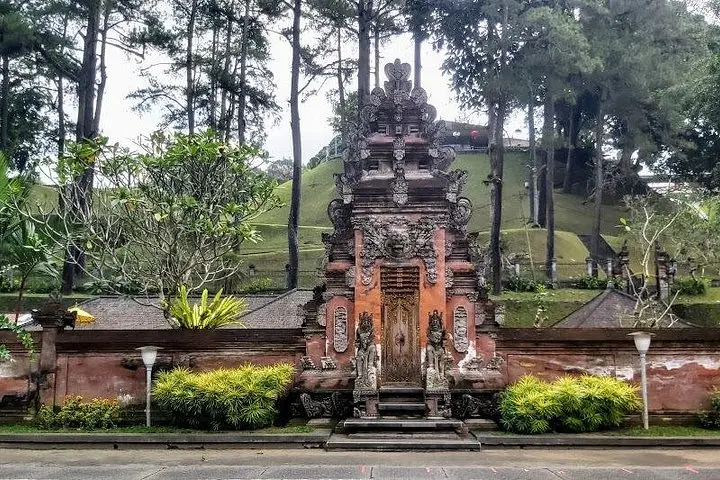
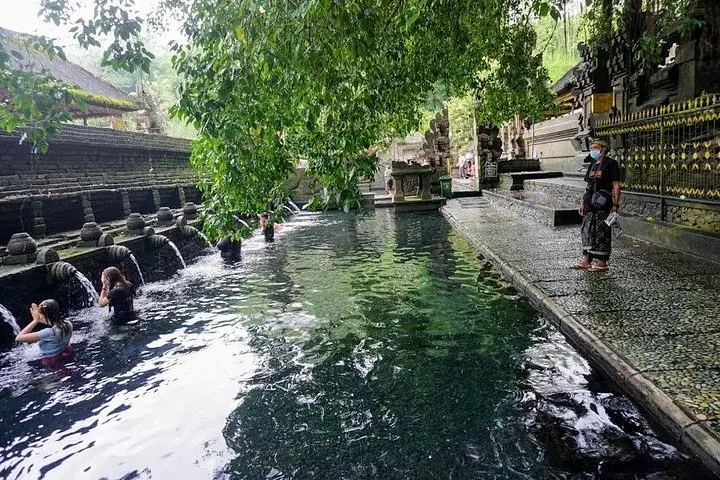
A thin mist lifts off the valley as your driver threads the narrow roads north of Ubud. Rice terraces slope away like layered steps, temple roofs puncture the skyline and the air smells of wet earth and incense. On a private tour that moves at your pace, the scene shifts from craft villages to sacred springs: metalworkers hammer in Celuk, weavers in Tohpati lay out dyed cloth, then you stand at a stone basin as water pours from carved spouts at Tirta Empul.
A thin mist lifts off the valley as your driver threads the narrow roads north of Ubud. Rice terraces slope away like layered steps, temple roofs puncture the skyline and the air smells of wet earth and incense. On a private tour that moves at your pace, the scene shifts from craft villages to sacred springs: metalworkers hammer in Celuk, weavers in Tohpati lay out dyed cloth, then you stand at a stone basin as water pours from carved spouts at Tirta Empul.
These sites sit on volcanic soils carved by centuries of cultivation and ritual. The Subak irrigation system shapes the Tegalalang terraces, while Gunung Kawi’s cliff-cut shrines date to the 11th century, carved into the bedrock as offerings to past rulers. Ubud Market and surrounding artisan villages—Batuan, Mas, Kemenuh—keep Bali’s craft economy visible; bargaining and small altars are part of the rhythm.
Practical notes: the full itinerary runs roughly 8–10 hours by private car with walking at each stop—expect uneven stone steps at temple sites and muddy trails after rain. Temple entry fees and ritual sarongs are usually paid on-site; your driver handles parking and navigation but not admissions. Carry water, modest clothing for temple visits (sarong and sash available for rent at many sites), and small bills for donations and market purchases. Start early to avoid mid-day heat and crowds: light filters best in the morning, and the water at Tirta Empul feels colder and more purposeful then.
This is a day for slow observation—listen for the rhythm of irrigation channels, watch monks and farmers move through the same landscape, and let the island’s layers of culture and geology shape the pace of your visit.