THE ADVENTURE COLLECTIVE® · Independent discovery and booking for outdoor travel

Skip the lines at Tirta Empul and move straight into the ritual: an all-inclusive ticket with hotel pickup, sarong, locker and guided holy-water blessing. This short cultural visit combines sacred history, volcanic-fed springs, and practical comforts to make participation straightforward and respectful.
Skip the lines at Tirta Empul and move straight into the ritual: an all-inclusive ticket with hotel pickup, sarong, locker and guided holy-water blessing. This short cultural visit combines sacred history, volcanic-fed springs, and practical comforts to make participation straightforward and respectful.
You arrive at the temple gate shadowed by frangipani and stone-carved naga, the sound of water threading through channels and pools like a constant, deliberate breath. The guide leads you past the entrance, through tiered courtyards and toward the central spring where locals and visitors step into cold, clear flows that have attracted pilgrims for centuries.
Verified experiences and guided adventures in the surrounding area.
Operated by Seminyak Tour Driver Bali · Tampaksiring, Bali
You arrive at the temple gate shadowed by frangipani and stone-carved naga, the sound of water threading through channels and pools like a constant, deliberate breath. The guide leads you past the entrance, through tiered courtyards and toward the central spring where locals and visitors step into cold, clear flows that have attracted pilgrims for centuries.
Tirta Empul dates to the 10th century, constructed during Bali's Warmadewa period around 962 AD. The spring issues from volcanic aquifers fed by Mount Agung’s highland rainfall; carved bathing pools and shrines reflect a ritual economy built on purification. Cultural practice remains central here: sarongs, offerings, and the structured sequence of cleansing stations that regulate movement and respect.
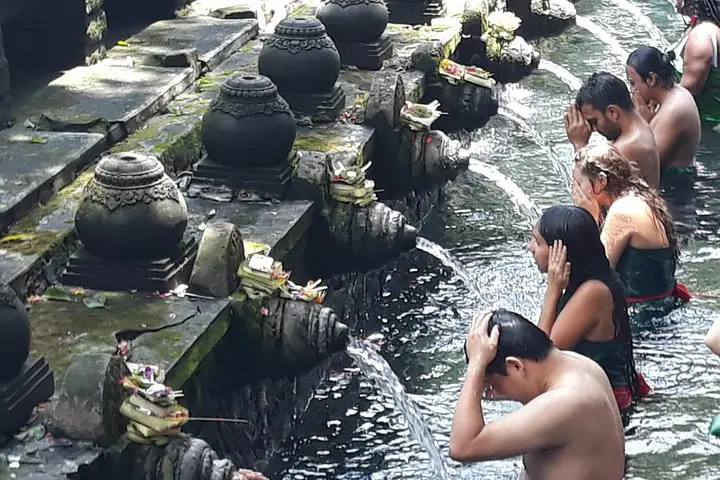
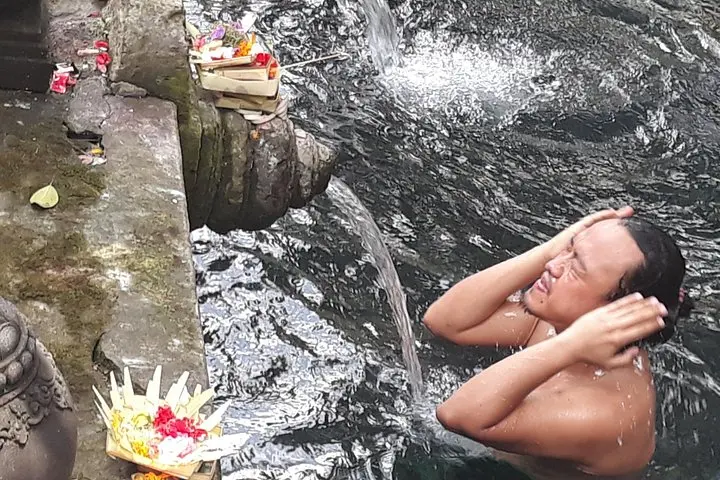
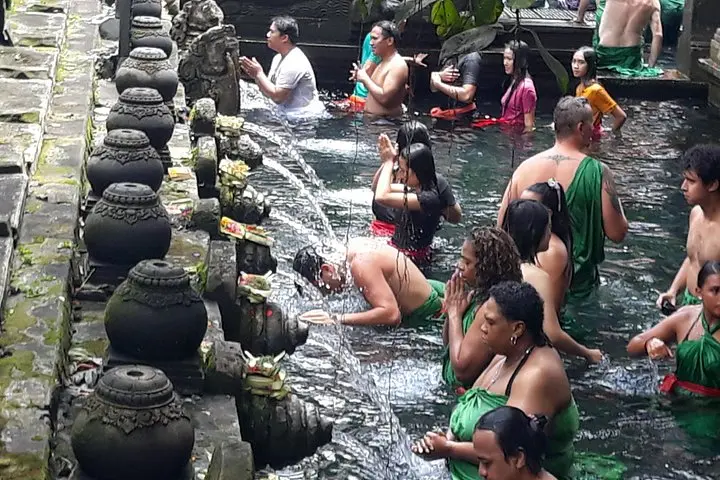
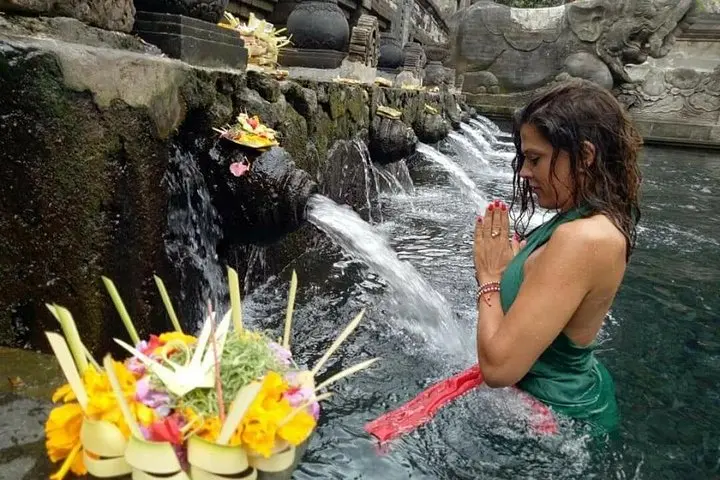
Expect practiced rhythms—arrive, don a sarong provided, follow your guide to the ritual pools, and watch or join a blessing ceremony with incense and offerings. The water can feel invigorating, the stone underfoot slick; the guide explains gestures and the order of the fountains so you can participate without hesitation.
Practical notes: the ticket includes hotel pickup/drop-off from many Bali zones, bottled water, locker access, and a tea service after the visit. Women currently menstruating are traditionally not permitted to enter the inner pools; footwear should be easy to remove and carry. Peak hours around mid-morning can be busy—skip-the-line access shortens waits, but plan for a calm, respectful pace through the site. Bring lightweight, modest clothing, a small towel, and an openness to a centuries-old ritual that remains very much alive.
No — a sarong and locker are provided with this ticket, though you may bring your own for personal comfort.
Local temple custom typically prohibits women who are menstruating from entering the inner pools; the guide will advise on appropriate areas to observe respectfully.
The operator notes wheelchair-accessible transport and areas, but some temple terraces have steps—check pickup details and request assistance in advance.
Plan 1–3 hours depending on travel time, how long you spend at the pools, and whether you participate in a blessing ritual.
Seminyak Tour Driver Bali operates guided outdoor trips and adventures with an emphasis on safety, stewardship, and memorable experiences.
You arrive at the temple gate shadowed by frangipani and stone-carved naga, the sound of water threading through channels and pools like a constant, deliberate breath. The guide leads you past the entrance, through tiered courtyards and toward the central spring where locals and visitors step into cold, clear flows that have attracted pilgrims for centuries.
You arrive at the temple gate shadowed by frangipani and stone-carved naga, the sound of water threading through channels and pools like a constant, deliberate breath. The guide leads you past the entrance, through tiered courtyards and toward the central spring where locals and visitors step into cold, clear flows that have attracted pilgrims for centuries.
Tirta Empul dates to the 10th century, constructed during Bali's Warmadewa period around 962 AD. The spring issues from volcanic aquifers fed by Mount Agung’s highland rainfall; carved bathing pools and shrines reflect a ritual economy built on purification. Cultural practice remains central here: sarongs, offerings, and the structured sequence of cleansing stations that regulate movement and respect.
Expect practiced rhythms—arrive, don a sarong provided, follow your guide to the ritual pools, and watch or join a blessing ceremony with incense and offerings. The water can feel invigorating, the stone underfoot slick; the guide explains gestures and the order of the fountains so you can participate without hesitation.
Practical notes: the ticket includes hotel pickup/drop-off from many Bali zones, bottled water, locker access, and a tea service after the visit. Women currently menstruating are traditionally not permitted to enter the inner pools; footwear should be easy to remove and carry. Peak hours around mid-morning can be busy—skip-the-line access shortens waits, but plan for a calm, respectful pace through the site. Bring lightweight, modest clothing, a small towel, and an openness to a centuries-old ritual that remains very much alive.