THE ADVENTURE COLLECTIVE® · Independent discovery and booking for outdoor travel

A compact nature-and-culture half-day from Hambantota Port that pairs Tissamaharama's bird-rich tanks with an evening owling session and a visit to a historic stupa. Ideal for photographers and travelers wanting wildlife without a full safari.
A compact nature-and-culture half-day from Hambantota Port that pairs Tissamaharama's bird-rich tanks with an evening owling session and a visit to a historic stupa. Ideal for photographers and travelers wanting wildlife without a full safari.
You step off the transfer at Hambantota Port and the road unfurls into paddy fields—water glints between narrow bunds, and kingfishers flicker along the edges. A naturalist guide leads you along small village lanes where the landscape feels less curated and more lived-in: rice farmers move deliberately, a crocodile-shaped stupa watches from a distant mound, and lakes call with the high, metallic notes of herons.
Verified experiences and guided adventures in the surrounding area.
Operated by Yala Dreams Wild Safari Tours · Hambantota, Southern Province
You step off the transfer at Hambantota Port and the road unfurls into paddy fields—water glints between narrow bunds, and kingfishers flicker along the edges. A naturalist guide leads you along small village lanes where the landscape feels less curated and more lived-in: rice farmers move deliberately, a crocodile-shaped stupa watches from a distant mound, and lakes call with the high, metallic notes of herons.
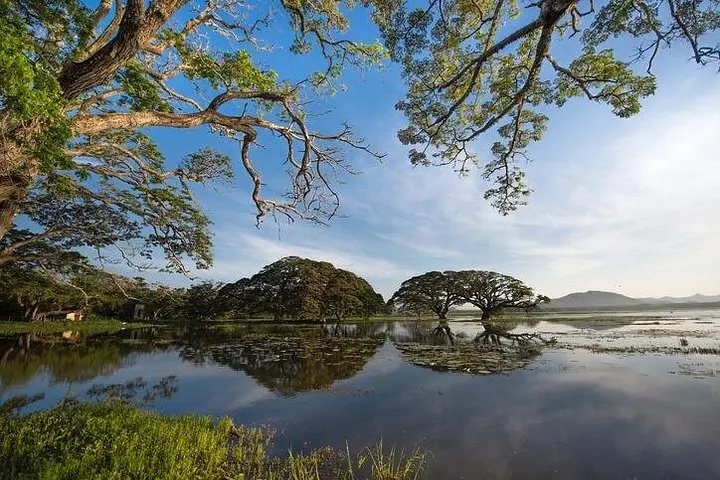
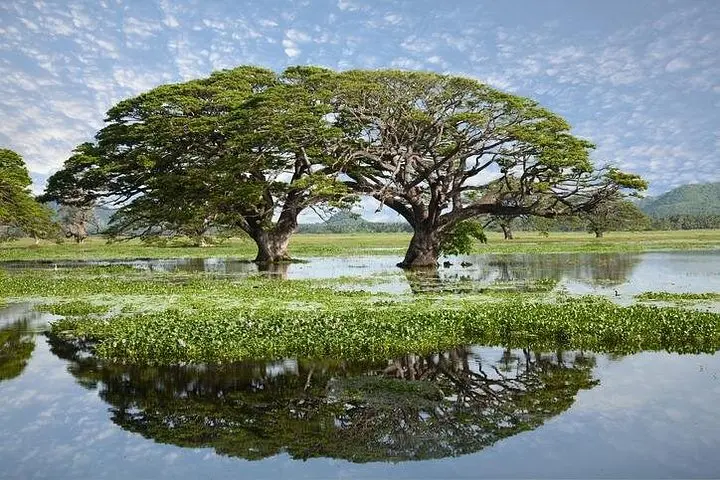
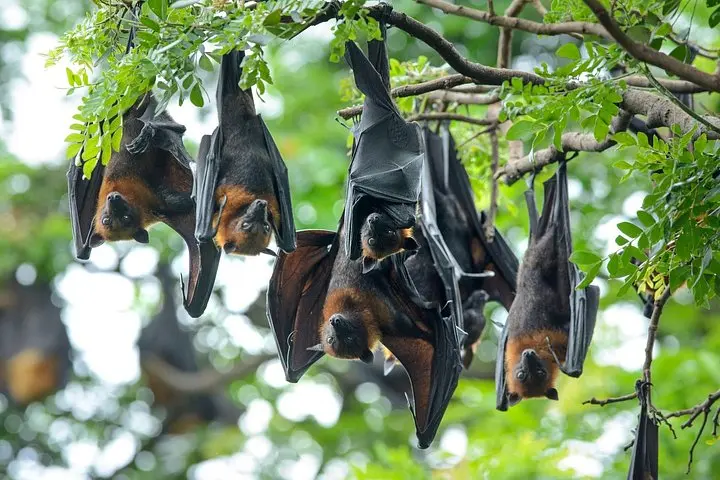
Tissamaharama's stupa and reservoir system date to early medieval Sri Lanka, when ancient engineers created tanks to hold monsoon water and feed rice plains; those same tanks now draw migratory and resident birds. Geology here is low-lying coastal plain: shallow clay soils, seasonal marshes, and dotted tanks that attract egrets, kingfishers, and the fruit bats that roost in waterside trees.
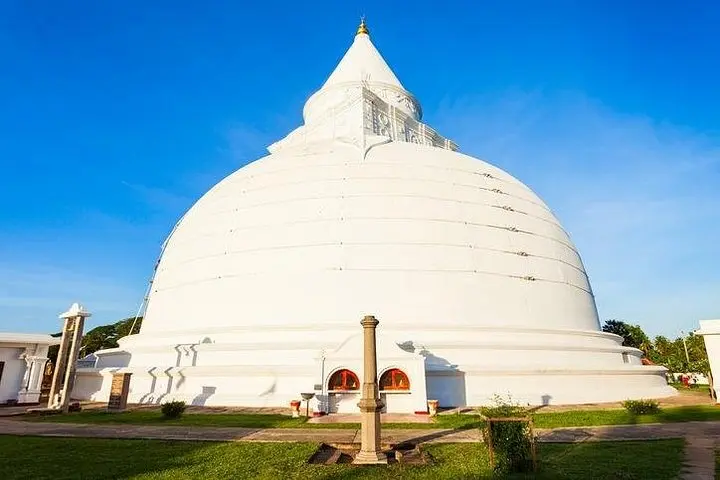
Cultural stops include a calm visit to the Tissamaharama Temple—one of the south's oldest Buddhist centers—where whitewashed dagobas and barefoot devotees offer context to the region's lived history.
Practical guidance: the tour is relaxed and accessible, roughly five hours with short walks over flat, often muddy paths. Early morning and dusk are the richest windows for birdlife and nocturnal animals; bring binoculars, insect repellent, and a compact headlamp for the owling segment. Expect local roads, simple village comforts, and photo opportunities from close, low vantage points. Respect private farmland, keep voices low around roosts, and plan for heat and sudden tropical showers.
The tour includes pickup and drop-off from Hambantota Port—provide your ship arrival details when booking.
Yes; the itinerary is gentle and infant seats can be arranged, but keep younger children close near water and roosting sites.
Expect fruit bats leaving roosts, several species of nocturnal owls, and increased activity from wading birds as light fades.
Visitors should have valid travel documents for Sri Lanka; no special wildlife permits are required for this public-tour route.
Yala Dreams Wild Safari Tours operates guided outdoor trips and adventures with an emphasis on safety, stewardship, and memorable experiences.
You step off the transfer at Hambantota Port and the road unfurls into paddy fields—water glints between narrow bunds, and kingfishers flicker along the edges. A naturalist guide leads you along small village lanes where the landscape feels less curated and more lived-in: rice farmers move deliberately, a crocodile-shaped stupa watches from a distant mound, and lakes call with the high, metallic notes of herons.
You step off the transfer at Hambantota Port and the road unfurls into paddy fields—water glints between narrow bunds, and kingfishers flicker along the edges. A naturalist guide leads you along small village lanes where the landscape feels less curated and more lived-in: rice farmers move deliberately, a crocodile-shaped stupa watches from a distant mound, and lakes call with the high, metallic notes of herons.
Tissamaharama's stupa and reservoir system date to early medieval Sri Lanka, when ancient engineers created tanks to hold monsoon water and feed rice plains; those same tanks now draw migratory and resident birds. Geology here is low-lying coastal plain: shallow clay soils, seasonal marshes, and dotted tanks that attract egrets, kingfishers, and the fruit bats that roost in waterside trees.
Cultural stops include a calm visit to the Tissamaharama Temple—one of the south's oldest Buddhist centers—where whitewashed dagobas and barefoot devotees offer context to the region's lived history.
Practical guidance: the tour is relaxed and accessible, roughly five hours with short walks over flat, often muddy paths. Early morning and dusk are the richest windows for birdlife and nocturnal animals; bring binoculars, insect repellent, and a compact headlamp for the owling segment. Expect local roads, simple village comforts, and photo opportunities from close, low vantage points. Respect private farmland, keep voices low around roosts, and plan for heat and sudden tropical showers.