THE ADVENTURE COLLECTIVE® · Independent discovery and booking for outdoor travel

A high‑altitude excursion across Titicaca to Isla del Sol that combines a boat crossing, steep Inca steps and the Pilcocaina Temple—perfect for travelers who want cultural depth and panoramic lake views with minimal fuss.
A high‑altitude excursion across Titicaca to Isla del Sol that combines a boat crossing, steep Inca steps and the Pilcocaina Temple—perfect for travelers who want cultural depth and panoramic lake views with minimal fuss.
You step off the boat and the lake breathes against the shore—cold, clear water pressing at the pebbles, as if daring you to follow the stone stairway up.
Verified experiences and guided adventures in the surrounding area.
Operated by Andes 2 Amazon · Copacabana, La Paz
You step off the boat and the lake breathes against the shore—cold, clear water pressing at the pebbles, as if daring you to follow the stone stairway up.
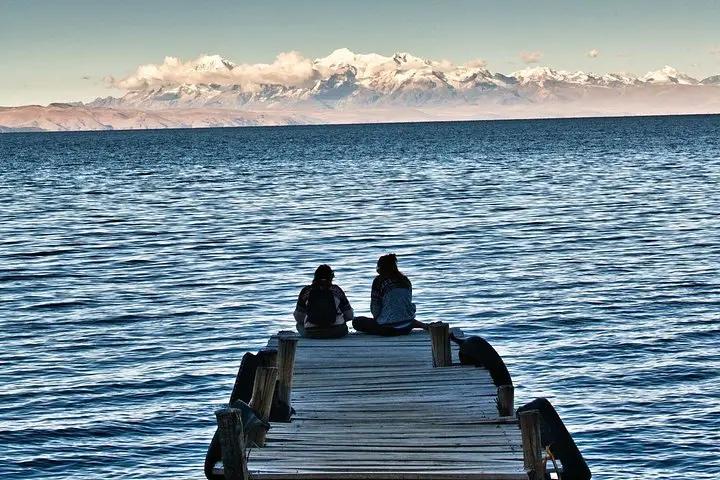
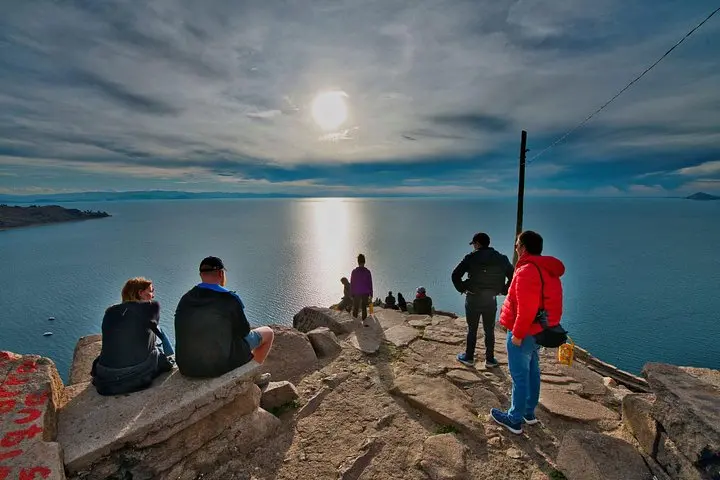
On Isla del Sol, the path is old stone and sun-warmed flagging, climbing past terraces where llamas graze and villagers tend tiny plots. The walk to Pilcocaina (the Temple of the Sun) threads Inca steps that curve with the island’s anatomy; the final viewpoint opens onto the two halves of Titicaca, the high plain stretched away and glittering under a thin blue sky. The fountain locals call the “Inca’s Fountain” still runs; people cup the water and say the altitude recedes for a breath.
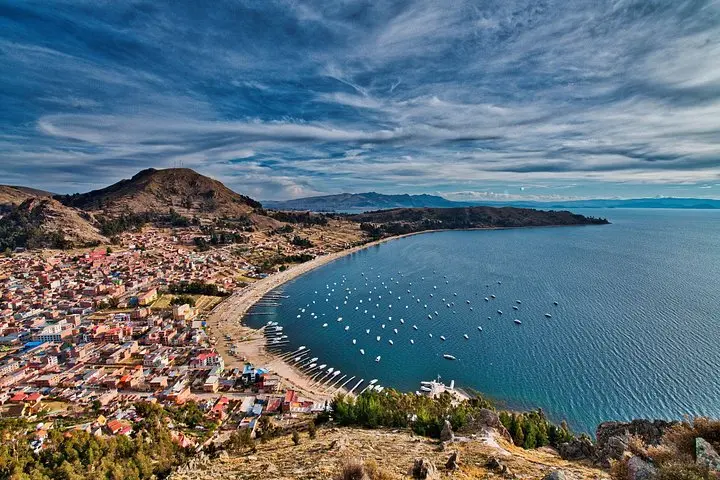
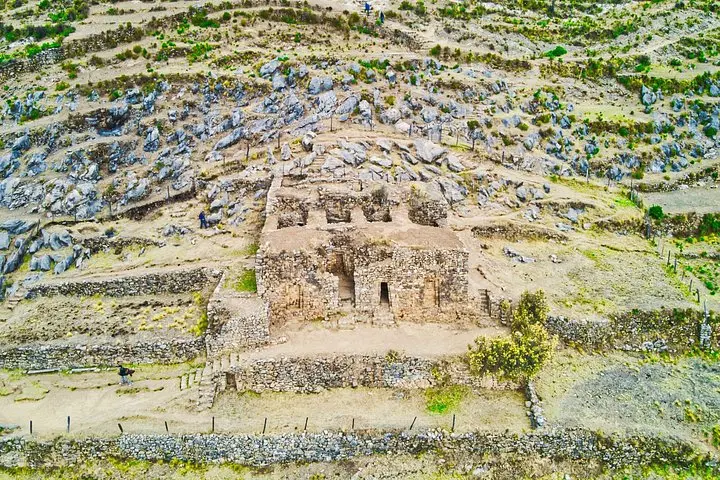
Titicaca sits at roughly 3,812 m, the world’s highest navigable lake, carved by Andean uplift and time. The Bolivian shore has been sacred for centuries—sun worship and ritual centers cluster here, with Pilcocaina among the most photogenic ruins: low walls, a handful of carved stones, and long coastal terraces that once fed priestly centers. Copacabana, the tour’s mainland pivot, grew from colonial pilgrimage to a modern gateway for travelers seeking both cultural context and alpine-like vistas.
The geology shows in every step: compacted volcanic soils and cut stone, a landscape shaped by uplift and wind. Culture here is immediate—Quechua and Aymara traditions persist in dress, food, and everyday offerings at small shrines. Guides translate not just language but a sense of place, explaining how the lake has sustained islands of farming and faith for generations.
Practical guidance: expect steep, uneven stone steps and roughly 200–300 m of uphill walking if you push to the high viewpoints. Boats from Copacabana take about 60–90 minutes depending on wind and route; the itinerary typically includes panoramic cruising and a guided walk to Pilcocaina. Altitude is the real variable—spend 24–48 hours in La Paz or Copacabana to acclimatize if possible, hydrate deliberately, and move slowly on steep sections.
Bring layered clothing, a sun hat, and shoes with good grip; mornings are sharp, afternoons can burn. Facilities on the island are basic—pack toilet paper, cash for small purchases, and a sense that comfort here is rustic but immediate. Whether you return the same day or stay in a local hostel on the island, the experience rewards simple preparation: sensible footwear, steady breathing, and attention to the lake’s wind, which will push and shape your day.
For travelers who want a small, high-altitude adventure with cultural depth and striking panoramas, the Isla del Sol circuit delivers: history underfoot, water that compels you forward, and viewpoints that make the climb worthwhile.
Typical boat crossings are 60–90 minutes depending on route and wind; guides usually schedule a 1½ hour scenic transfer.
The walk includes steep Inca stone steps and uneven trail with roughly 200–300 m of ascent if you climb to the main viewpoint; it’s strenuous but manageable for moderately fit travelers.
Locals and guides may allow you to cup and taste the spring water, but carry your own filtered water—do not rely solely on unchecked sources for full hydration.
Facilities are basic and limited; bring toilet paper and small change for pay toilets at the main landing sites.
Bring small Boliviano bills—many vendors on the island are cash-only and ATMs are not available on-site.
Children who can handle steep steps and brisk walks can manage the route; it’s not recommended for travelers with significant mobility restrictions due to uneven stone stairways.
Andes 2 Amazon operates guided outdoor trips and adventures with an emphasis on safety, stewardship, and memorable experiences.
You step off the boat and the lake breathes against the shore—cold, clear water pressing at the pebbles, as if daring you to follow the stone stairway up.
You step off the boat and the lake breathes against the shore—cold, clear water pressing at the pebbles, as if daring you to follow the stone stairway up.
On Isla del Sol, the path is old stone and sun-warmed flagging, climbing past terraces where llamas graze and villagers tend tiny plots. The walk to Pilcocaina (the Temple of the Sun) threads Inca steps that curve with the island’s anatomy; the final viewpoint opens onto the two halves of Titicaca, the high plain stretched away and glittering under a thin blue sky. The fountain locals call the “Inca’s Fountain” still runs; people cup the water and say the altitude recedes for a breath.
Titicaca sits at roughly 3,812 m, the world’s highest navigable lake, carved by Andean uplift and time. The Bolivian shore has been sacred for centuries—sun worship and ritual centers cluster here, with Pilcocaina among the most photogenic ruins: low walls, a handful of carved stones, and long coastal terraces that once fed priestly centers. Copacabana, the tour’s mainland pivot, grew from colonial pilgrimage to a modern gateway for travelers seeking both cultural context and alpine-like vistas.
The geology shows in every step: compacted volcanic soils and cut stone, a landscape shaped by uplift and wind. Culture here is immediate—Quechua and Aymara traditions persist in dress, food, and everyday offerings at small shrines. Guides translate not just language but a sense of place, explaining how the lake has sustained islands of farming and faith for generations.
Practical guidance: expect steep, uneven stone steps and roughly 200–300 m of uphill walking if you push to the high viewpoints. Boats from Copacabana take about 60–90 minutes depending on wind and route; the itinerary typically includes panoramic cruising and a guided walk to Pilcocaina. Altitude is the real variable—spend 24–48 hours in La Paz or Copacabana to acclimatize if possible, hydrate deliberately, and move slowly on steep sections.
Bring layered clothing, a sun hat, and shoes with good grip; mornings are sharp, afternoons can burn. Facilities on the island are basic—pack toilet paper, cash for small purchases, and a sense that comfort here is rustic but immediate. Whether you return the same day or stay in a local hostel on the island, the experience rewards simple preparation: sensible footwear, steady breathing, and attention to the lake’s wind, which will push and shape your day.
For travelers who want a small, high-altitude adventure with cultural depth and striking panoramas, the Isla del Sol circuit delivers: history underfoot, water that compels you forward, and viewpoints that make the climb worthwhile.