THE ADVENTURE COLLECTIVE® · Independent discovery and booking for outdoor travel

Swap Roman traffic for villa gardens, cascading fountains and a river‑carved gorge on a flexible day trip to Tivoli. Visit Hadrian’s Villa, Villa d’Este and Villa Gregoriana with a private minivan and time to explore at your own pace.
Swap Roman traffic for villa gardens, cascading fountains and a river‑carved gorge on a flexible day trip to Tivoli. Visit Hadrian’s Villa, Villa d’Este and Villa Gregoriana with a private minivan and time to explore at your own pace.
You leave Rome and feel the city thin behind you as olive groves and low hills take over, the highway easing into secondary roads that thread toward Tivoli’s cliffs and the rush of the Aniene river.
Verified experiences and guided adventures in the surrounding area.
Operated by My Personal Cab · Tivoli, Lazio
You leave Rome and feel the city thin behind you as olive groves and low hills take over, the highway easing into secondary roads that thread toward Tivoli’s cliffs and the rush of the Aniene river.
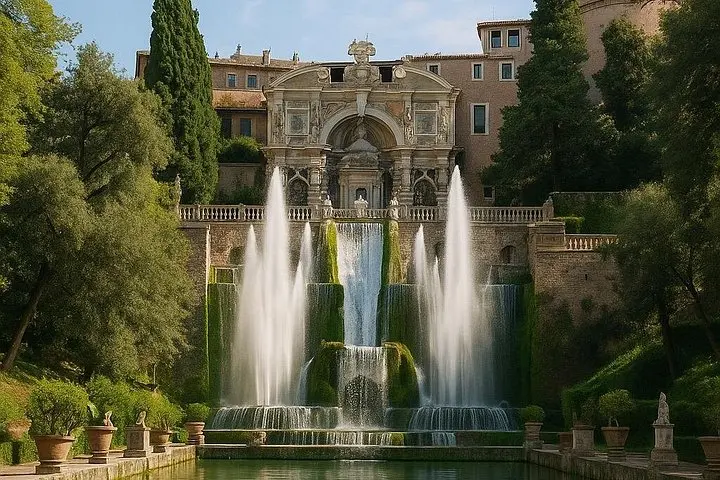
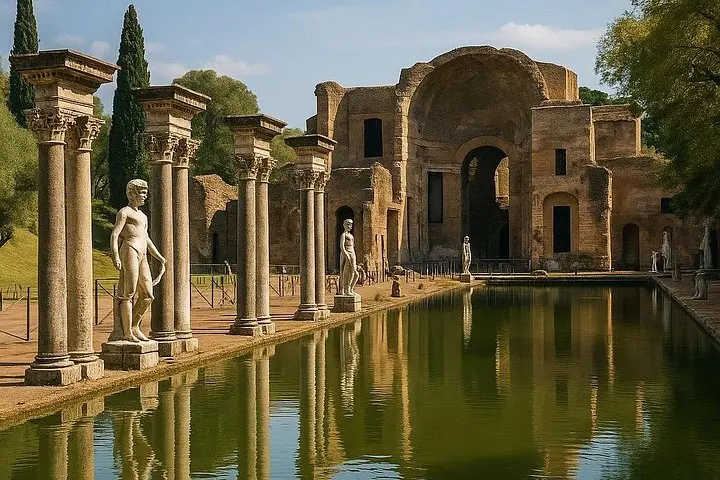
In a single day you can move through two UNESCO landscapes and a 19th‑century engineered park. Hadrian’s Villa, laid out by an emperor with a taste for theatrical gardens and waterworks, spreads ruins and submerged corridors across dozens of hectares; its marble fragments and buried porticoes hint at a once‑vast imperial complex. Villa d’Este follows with a different drama — fountains that choreograph water, niches and grottos designed around hydraulic music. Villa Gregoriana offers a wilder contrast: a gorge, a waterfall born of 19th‑century flood control, and ruined temples half hidden in fern and limestone.
Geology here is limestone and travertine, shaped by the Aniene’s erosive appetite; you’ll feel the terrain switch from cultivated slopes to exposed rock and river‑cut ravine. Culture in Tivoli mixes Roman engineering, Renaissance garden theory and modern conservation — locals prize water as both resource and spectacle.
Practical guidance: expect several short walks across uneven archaeological paths and steep steps in the parks. Wear sturdy shoes, carry water, and allow 6–8 hours to see the three main sites without rushing. Timed entry and seasonal crowds mean an early departure from Rome gives the clearest light and quieter fountains. If you want flexibility, a private minivan lets you adjust pick‑up and return times, but respect site opening hours when planning your stop order.
The drive is about 30–45 minutes from central Rome depending on traffic and your exact pickup location.
This tour lists admissions as not included — expect to buy tickets on arrival or book separate skip‑the‑line tickets for Villa d'Este and Hadrian's Villa.
The vehicle access notes stroller accessibility, but many paths at the sites have stairs and uneven surfaces that make stroller use difficult.
Private transfers typically allow flexible pickup/return times if prearranged with your driver, but confirm site closing times to avoid being locked out.
My Personal Cab operates guided outdoor trips and adventures with an emphasis on safety, stewardship, and memorable experiences.
You leave Rome and feel the city thin behind you as olive groves and low hills take over, the highway easing into secondary roads that thread toward Tivoli’s cliffs and the rush of the Aniene river.
You leave Rome and feel the city thin behind you as olive groves and low hills take over, the highway easing into secondary roads that thread toward Tivoli’s cliffs and the rush of the Aniene river.
In a single day you can move through two UNESCO landscapes and a 19th‑century engineered park. Hadrian’s Villa, laid out by an emperor with a taste for theatrical gardens and waterworks, spreads ruins and submerged corridors across dozens of hectares; its marble fragments and buried porticoes hint at a once‑vast imperial complex. Villa d’Este follows with a different drama — fountains that choreograph water, niches and grottos designed around hydraulic music. Villa Gregoriana offers a wilder contrast: a gorge, a waterfall born of 19th‑century flood control, and ruined temples half hidden in fern and limestone.
Geology here is limestone and travertine, shaped by the Aniene’s erosive appetite; you’ll feel the terrain switch from cultivated slopes to exposed rock and river‑cut ravine. Culture in Tivoli mixes Roman engineering, Renaissance garden theory and modern conservation — locals prize water as both resource and spectacle.
Practical guidance: expect several short walks across uneven archaeological paths and steep steps in the parks. Wear sturdy shoes, carry water, and allow 6–8 hours to see the three main sites without rushing. Timed entry and seasonal crowds mean an early departure from Rome gives the clearest light and quieter fountains. If you want flexibility, a private minivan lets you adjust pick‑up and return times, but respect site opening hours when planning your stop order.